Fennel and Dry Ginger: The Flavor Foundation of Traditional Wazwan
When outsiders attempt to recreate Kashmiri cuisine, they often make a critical error: they reach for the onion, garlic, and tomato. While these ingredients dominate the rest of the Indian subcontinent, traditional Kashmiri cooking—especially the royal Wazwan—is built on an entirely different architectural foundation.
The true pillars of Kashmiri flavor are two ancient, aromatic spices: Saunf (Fennel Powder) and Shonth (Dry Ginger Powder).
Why Are They Essential?
Kashmir is a cold, mountainous region. Historically, heavy fats (like mustard oil, ghee, and mutton suet) were necessary for caloric survival. However, heavy fats and dense meats can overwhelm the palate and the digestive system.
This is where the magic of Saunf and Shonth comes in:
- Shonth (Dry Ginger): Considered a "warming" spice in Ayurvedic tradition, dry ginger is fundamentally different from fresh ginger. It provides a sharp, pungent, and zesty kick that cuts through thick gravies without adding the wet fibrousness of fresh ginger. It balances the heaviness of the meat and aids in digestion.
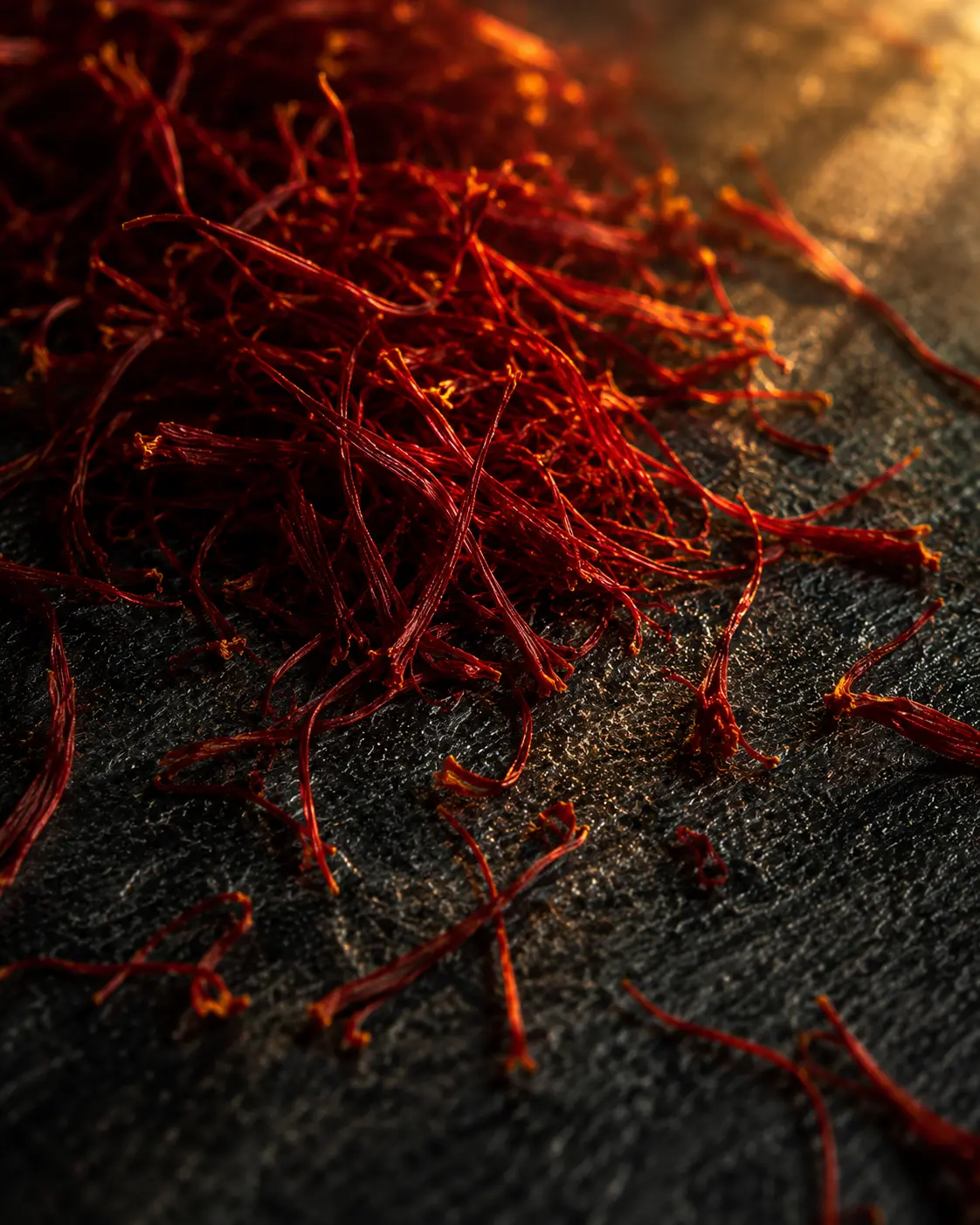
- Saunf (Fennel): Fennel powder is the great mellowing agent. It imparts a signature sweet, aniseed-like aroma that softens the aggressive savory notes of the lamb. It provides a floral, cooling counterpoint to the heat of the Shonth and the Kashmiri red chilies.
The Dynamic Duo in Action
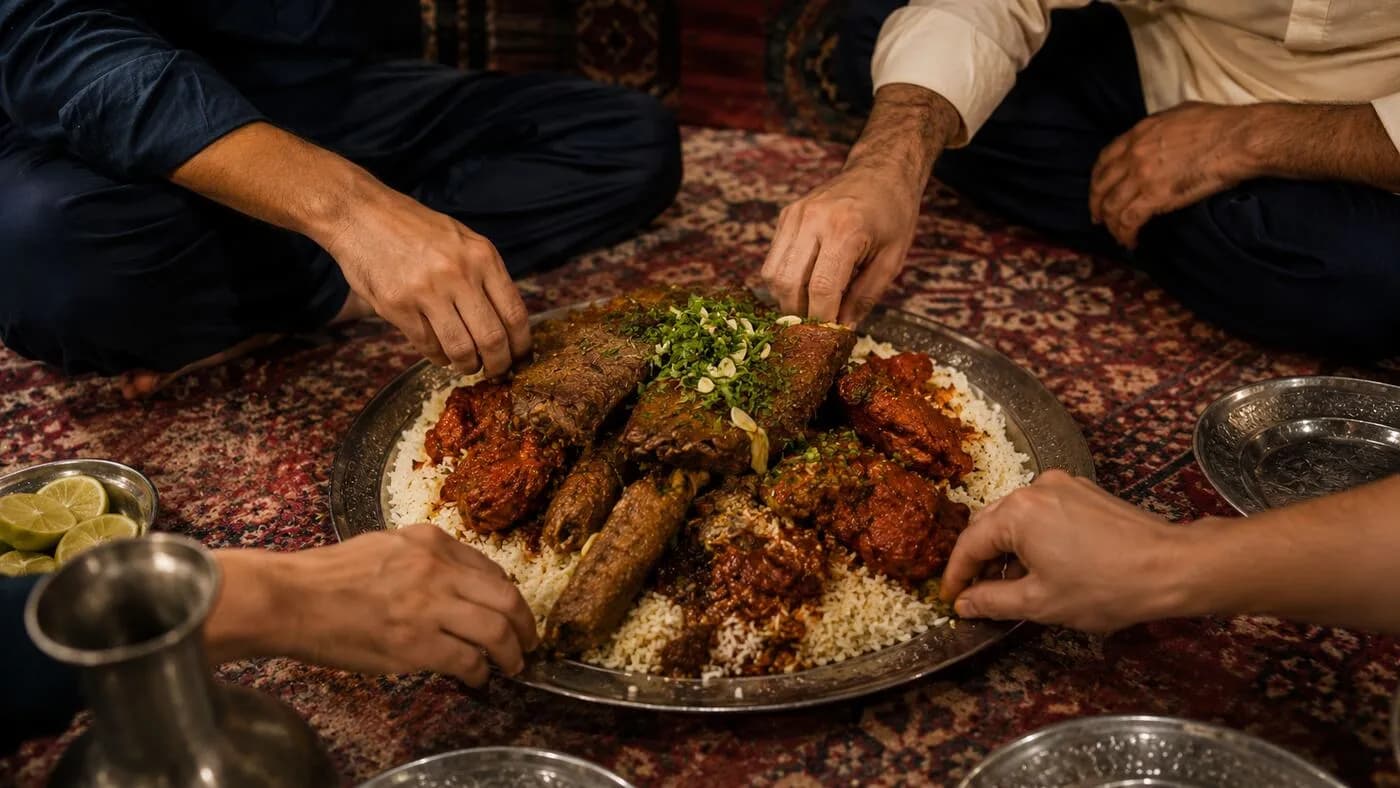
Together, they form a harmonious yin and yang—the sharp heat of the ginger offset by the sweet aromatics of the fennel. This combination is ubiquitous across the Wazwan feast.
- Yakhni & Gushtaba: In these delicate, white yogurt-based gravies, harsh spices are forbidden. Fennel and dry ginger are the primary flavor drivers, ensuring the dish remains aromatic and soothing.
- Rogan Josh: While famous for its red color, the gravy's underlying earthy sweetness and deep warmth come directly from a heavy dose of fennel and ginger powder.
Traditional Waza Techniques
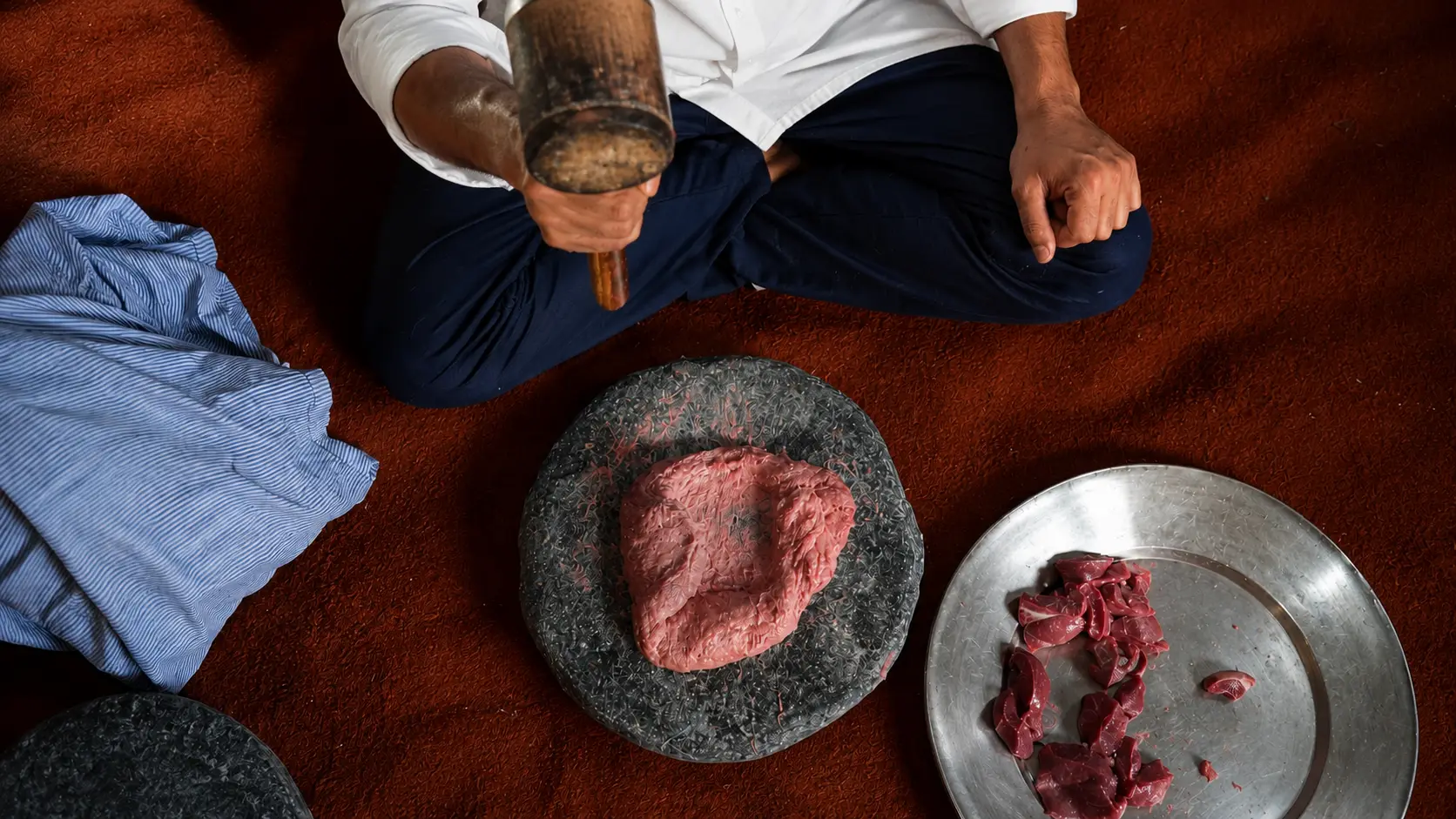
The master chefs of Kashmir (Vasta Waza) do not simply dump these powders into a pot. The application is a refined art.
Wazas understand osmosis and infusion. Spices are often simmered in stocks or used to create "flavored water," which is then added to the meat. Because many Wazwan dishes are slow-cooked in large copper degs over firewood for hours, the fennel and ginger have time to thoroughly permeate the meat fibers right down to the bone.
In Kashmiri cuisine, spices are not meant to "shout" or burn the tongue; they are meant to build a complex, aromatic warmth. Fennel and dry ginger are the undisputed masters of this subtle symphony.