Kashmiri Red Chili: The Spice That Gives Wazwan Its Iconic Color
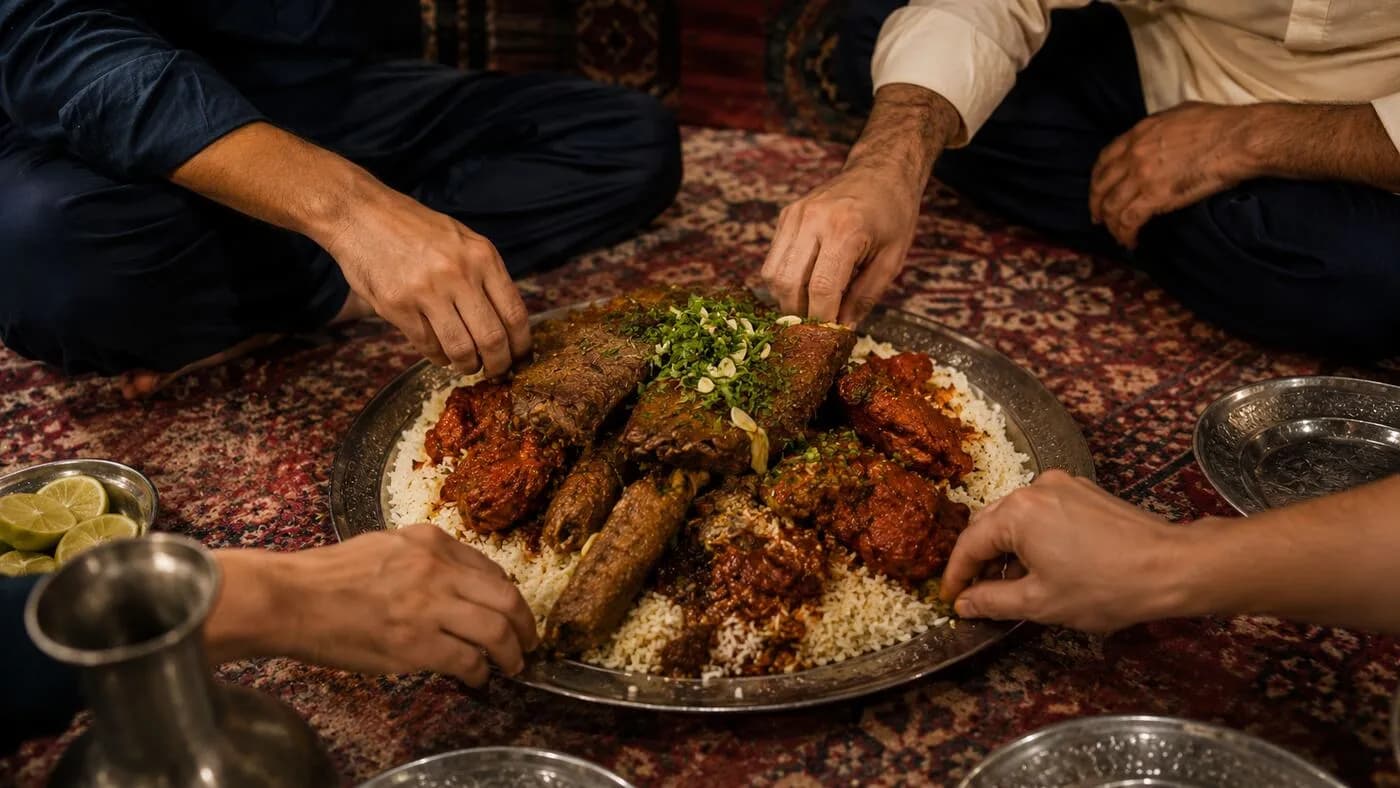
If you look at a traditional spread of Kashmiri Wazwan, you will be struck by a brilliant, fiery sea of crimson. Dishes like Rogan Josh and Rista sit on the copper Trami glistening with a deep-red, oil-based sheen.
To the uninitiated, this intense redness screams of unbearable, mouth-numbing heat. However, the secret to Kashmiri cuisine is an optical illusion orchestrated by one magical ingredient: the Kashmiri Red Chili.
The Illusion of Heat
In the world of chilies, there is a biological "inverse rule": heat and color are often enemies. The compounds responsible for spiciness (capsaicinoids) and those responsible for vibrant red pigmentation (carotenoids) are distinct.
The Kashmiri Red Chili is a biological marvel. It measures incredibly low on the Scoville scale (typically between 1,000 and 2,000 SHU), making it remarkably mild compared to common Indian chilies like Guntur or Jwala. However, it possesses an extraordinary concentration of red pigments.
It is specifically chosen for its ability to provide a stunning, "restaurant-style" crimson hue to curries and marinades without overwhelming the palate with heat.
Difference from Normal Chilies
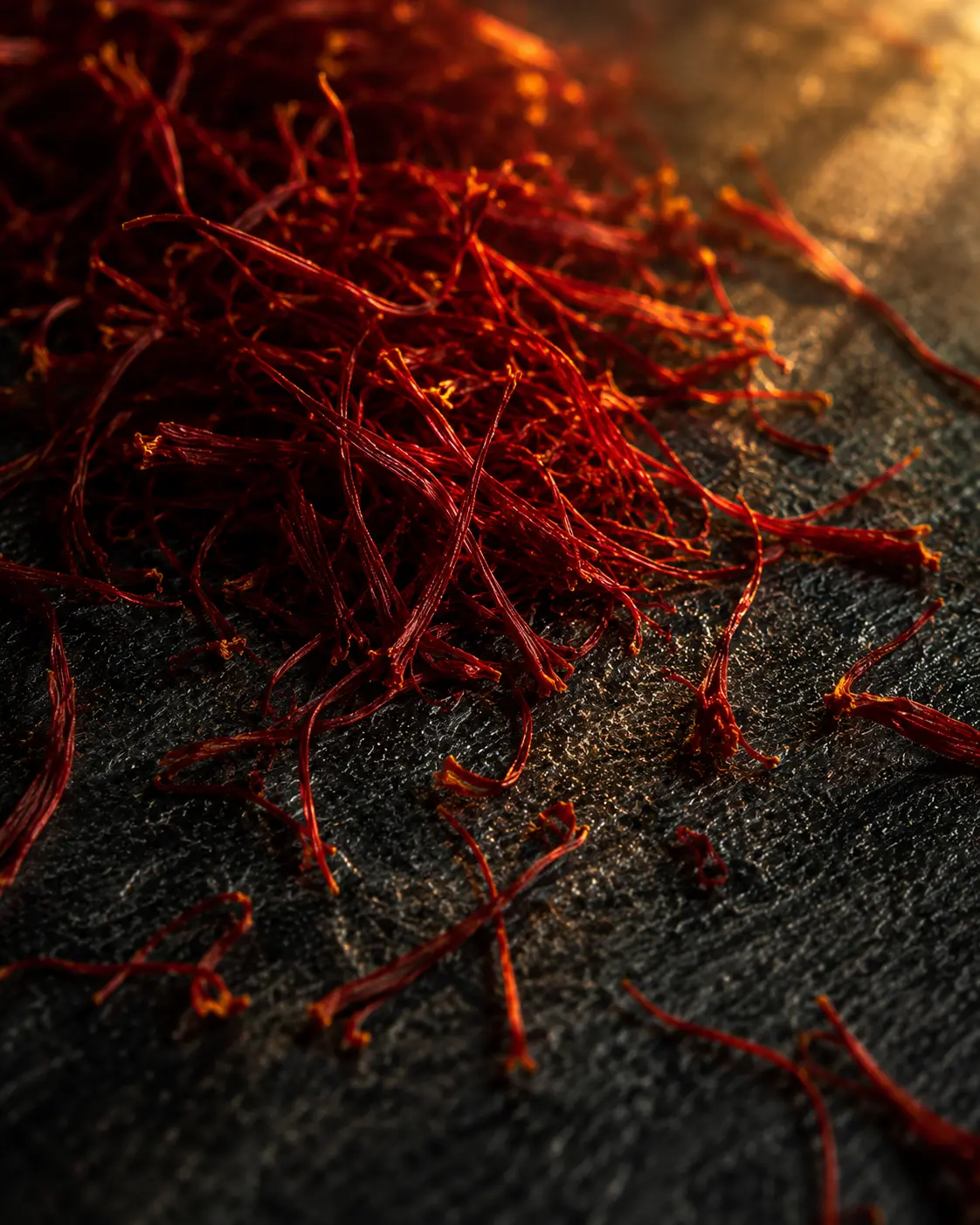
True Kashmiri chilies are distinct in appearance. They are longer, wider, and notably wrinkly when dried. Their skin is a deep, dark burgundy rather than a bright, flat red.
Because of high commercial demand across India, much of the "Kashmiri Chili Powder" sold in supermarkets is heavily adulterated with hotter, cheaper varieties. A true Kashmiri chili powder focuses almost entirely on sweet pepper flavor, earthiness, and color, allowing the other delicate spices in a dish to shine through.
Rogan Josh and The Art of 'Blooming'
The most famous application of the Kashmiri chili is in Rogan Josh. The dish's name literally translates from Persian as rogan (oil or fat) and josh (heat or passion), referring to the passionate red oil that floats on the surface of the curry.
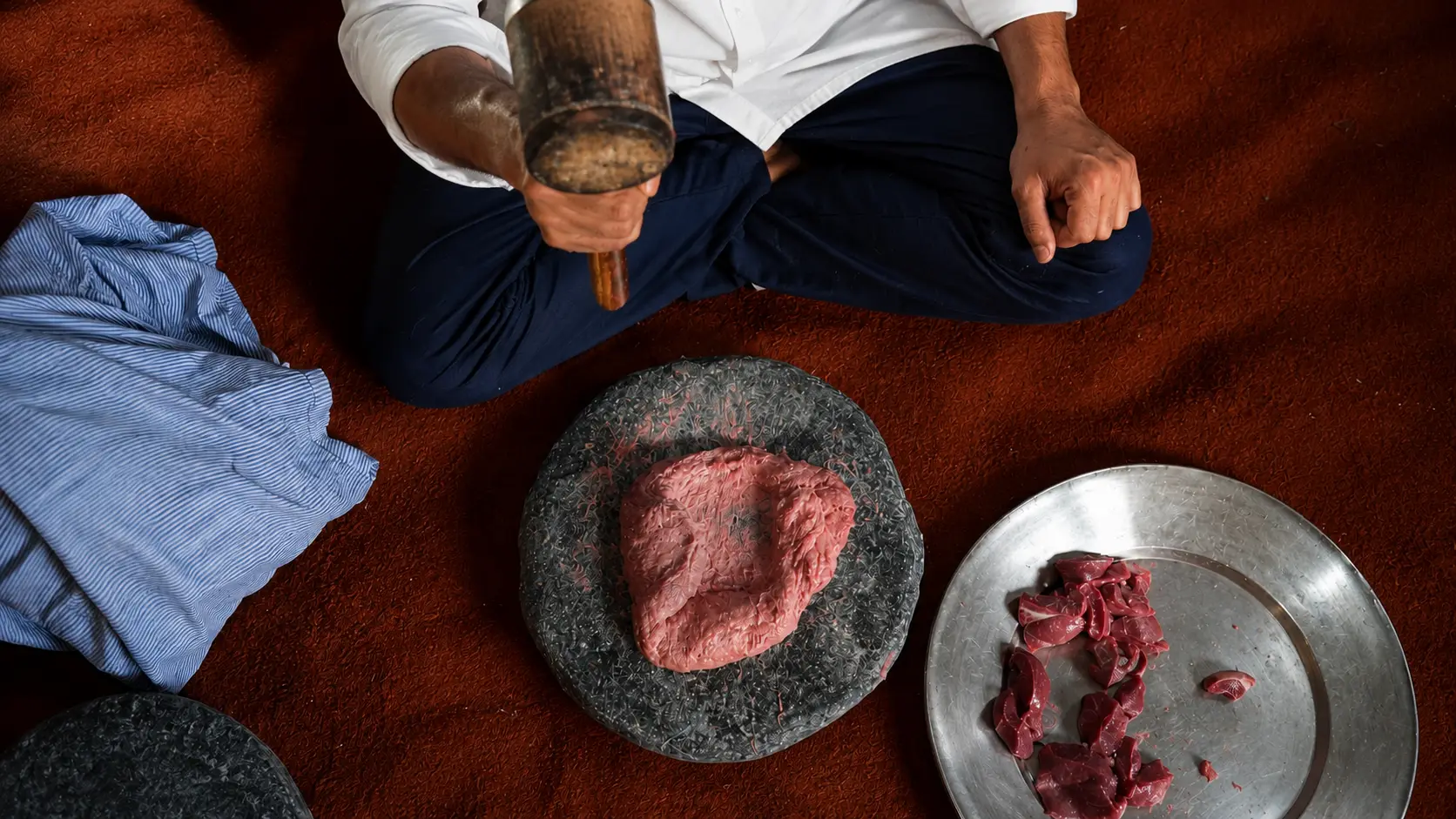
To achieve this iconic look, the Wazas (chefs) utilize a technique called "blooming." The chili powder is not boiled in water; instead, it is mixed into warm fat—either pure ghee or mustard oil. This fat-soluble extraction pulls the vibrant carotenoids out of the chili, creating the characteristic red sheen that defines Wazwan presentation.
(Note: In traditional settings, Wazas sometimes supplement the chili with 'Ratan Jot'—alkanet root—to push the red color to even deeper, darker extremes.)
Culinary Harmony
Kashmiri cuisine rarely relies on the heavy onion-garlic-tomato bases common in the rest of India. Instead, it builds flavor architectures around yogurt (curd), mustard oil, fennel powder (saunf), and dry ginger (sonth).
If a highly pungent, hot chili were used, it would instantly overpower the delicate, aromatic notes of the fennel and the sour tang of the yogurt. The mild, sweet profile of the Kashmiri Red Chili acts as the perfect canvas, bringing visual drama and subtle earthy flavor to the feast without destroying the delicate balance of the royal Wazwan.