SrinagarGood evening.
The Wazwan — Kashmir's royal feast
Wazwan Way · The Royal Feast

The Wazwan.

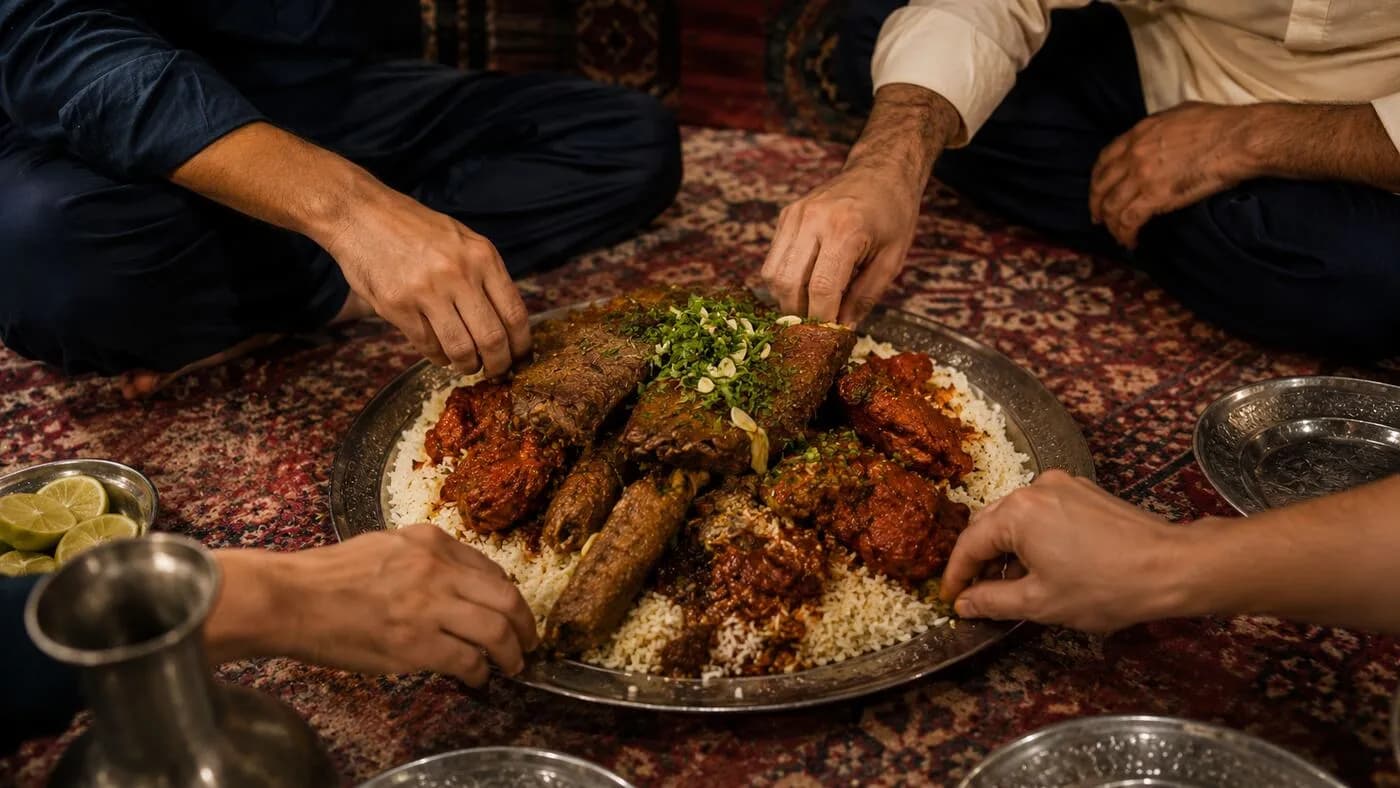
Thirty-six courses, one copper trami — the feast Kashmir is named for.

Begin the feast
Need help?

Waza is here.

A concierge that has eaten everywhere and slept nowhere — ask it anything about Kashmir.

Beverages

Babribyol

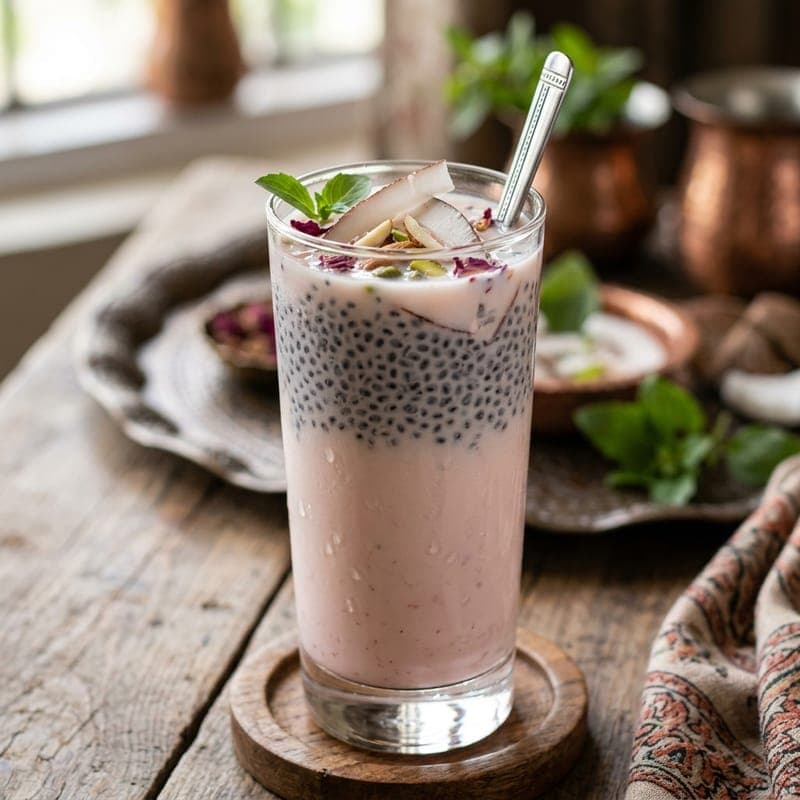
Babribyol is a renowned culinary offering from Kashmir. Made with traditional spices and cooking methods, this veg item delivers the deep flavor profile typical of Cafes cuisine. Perfectly seasoned with spices such as fennel, ginger, and saffron, it represents the rich culinary heritage of the valley.

VegMildINR 60-1204.1 / 5 popularity❀ Traditional Home-style Recipe

Waza AI Culinary Authority Scores

Authenticity5/5
Tourist Friendliness3.5/5
Luxury & Comfort4.5/5
Babribyol
History

Babribyol in Kashmiri tradition

The history of Babribyol stretches back generations, drawing deep influences from local traditions and Central Asian culinary pathways. Historically prepared by master chefs (Wazas) or passed down through domestic households, it has become a true staple of Kashmiri dining. It symbolizes hospitality and celebration, gracing tables during weddings, festivals, and family gatherings.

Tourist Tip

When ordering Babribyol, pair it with warm steamed rice or traditional local bread like Lavas. Ask your hosts about the specific spices used to enhance the flavor.

Where To Try It

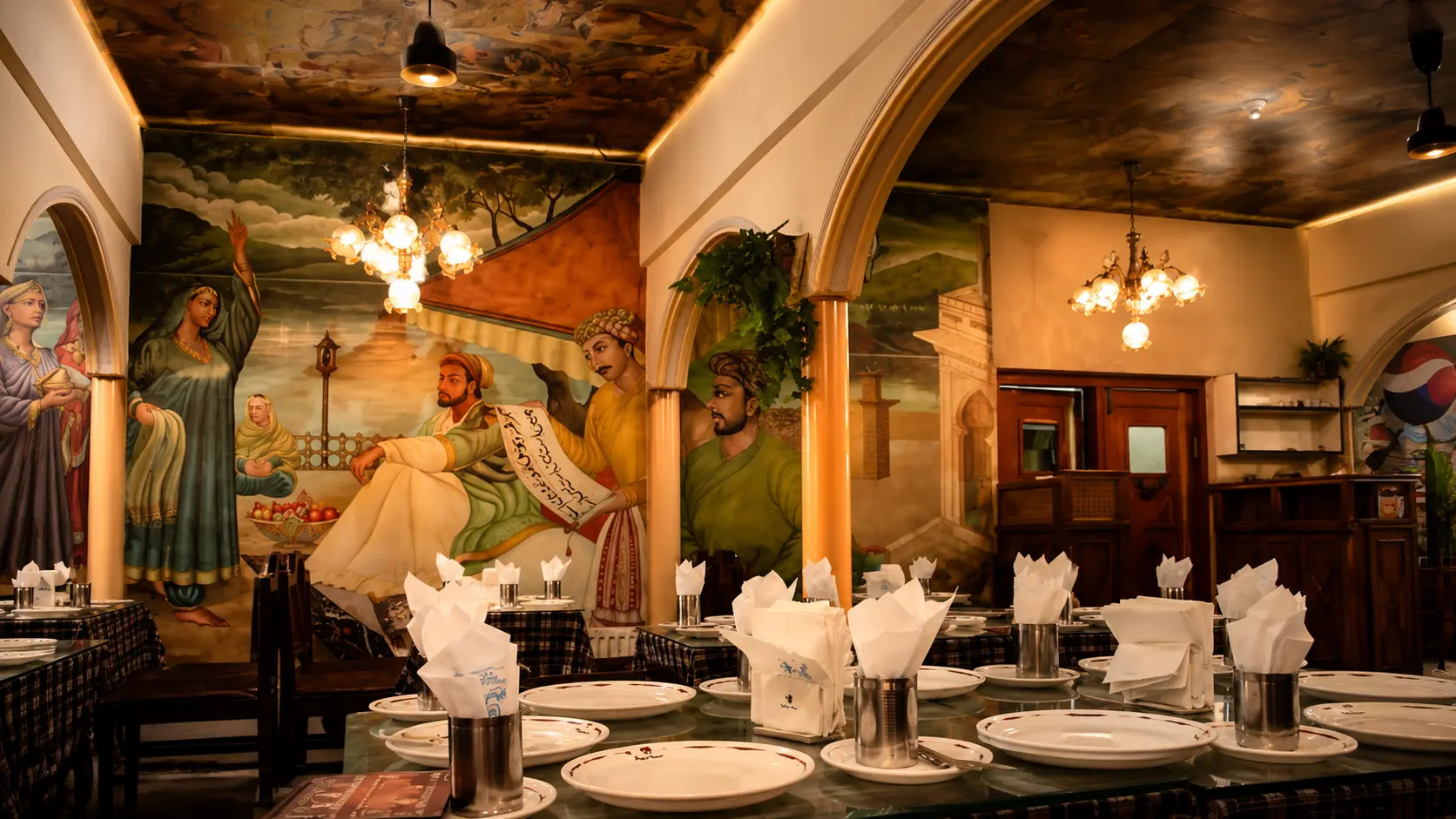
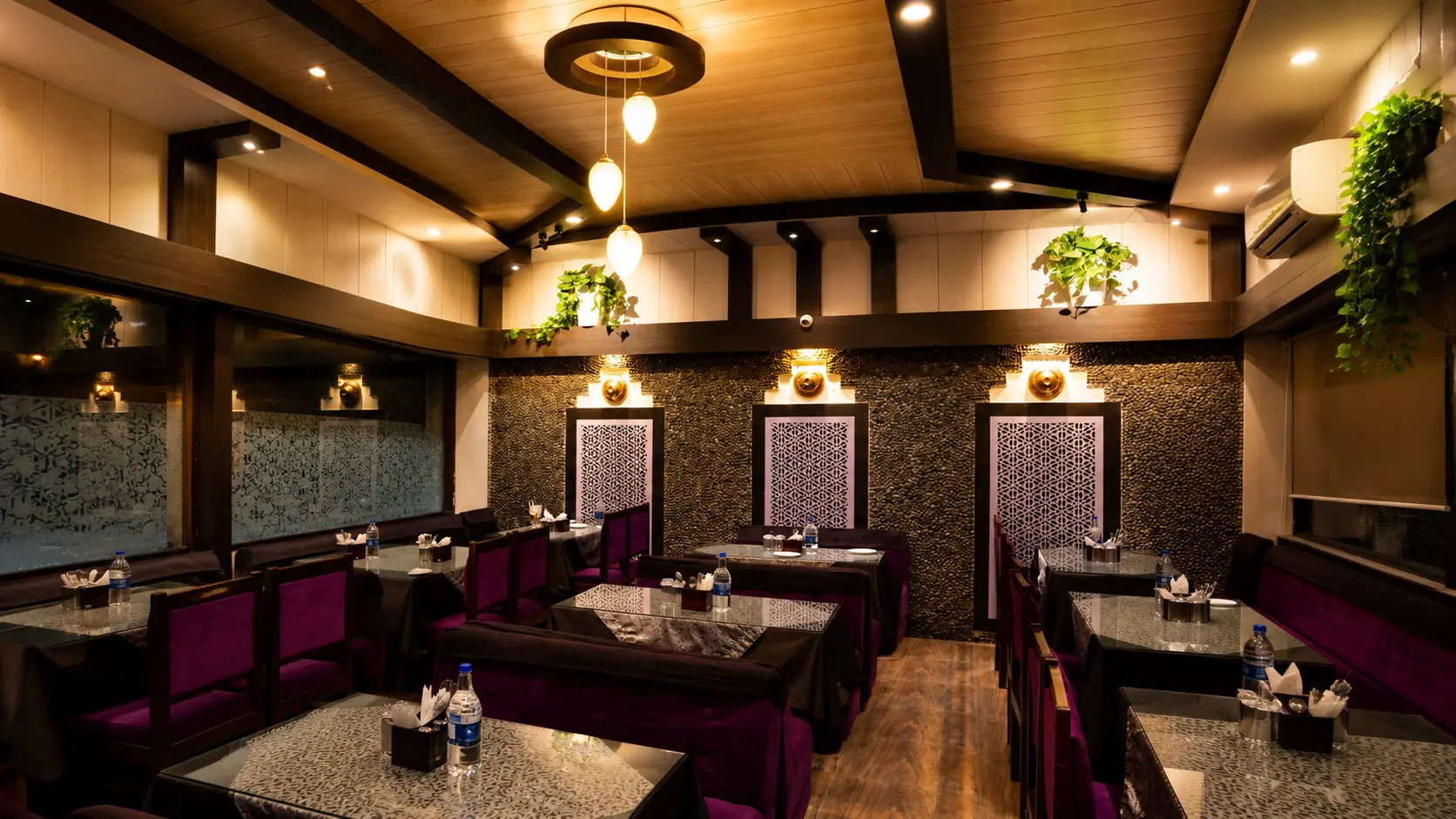
Restaurants serving Babribyol

The Recipe

How to make Babribyol(Babri Byol)

Babribyol is Kashmir's iftar drink: sweet basil seeds soaked until each dark seed blooms into a translucent, gel-haloed pearl, then stirred into chilled sweetened milk or water. In the Valley, Ramadan is almost unthinkable without it.

Prep 8 minServes 2EasyKashmiri Muslim
Ingredients
  • ·2 tbsp (about 20 g) sweet basil seeds (babri byol / sabja / tukmaria)
  • ·150 ml water, for soaking
  • ·500 ml chilled full-fat milk (or plain cold water, or half milk and half water — all three bases are traditional)
  • ·2–3 tsp sugar, to taste
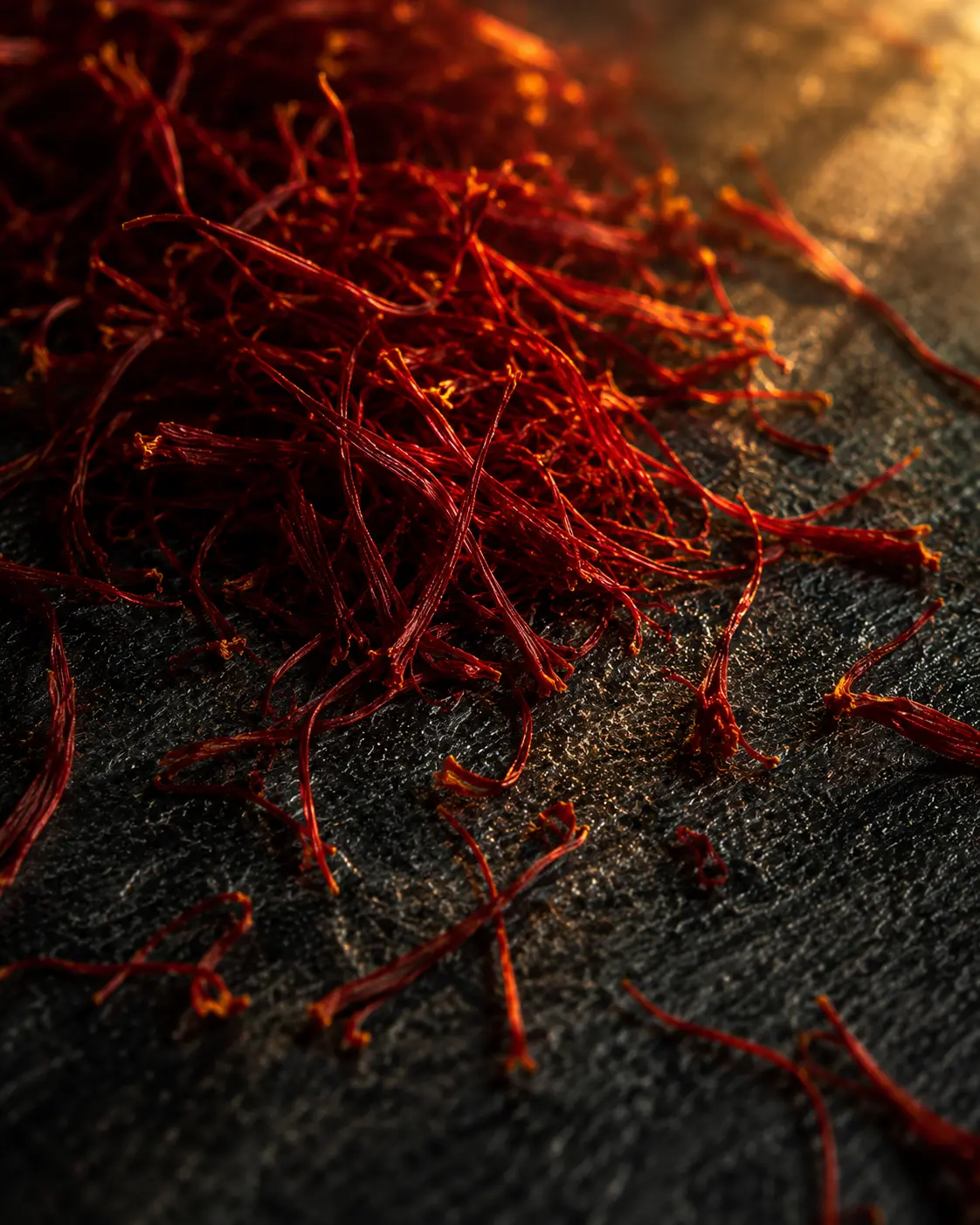
  • ·Small pinch of saffron strands, soaked in 1 tbsp warm milk (optional, traditional garnish)
  • ·1 tbsp fresh or dried coconut scrapings (optional, traditional garnish)
  • ·Crushed ice, optional

Waza Tips

  • Never skip the pre-soak or add dry seeds straight to milk — under-bloomed seeds are gritty and keep swelling in the glass, turning the drink stodgy.
  • Soak in water even when serving in milk; seeds bloom faster and more evenly in plain water.
  • Judge readiness by the gel halo: each seed should look like a tiny black pupil in a clear iris. If the halo is thin, give it another 15 minutes.
  • Make it pourable, not spoonable — the seeds should drift, not pack. Thin with extra chilled milk or water if it tightens on standing.
Method
  1. 1

    Pick over and rinse the basil seeds briefly in a fine sieve to remove any dust.

  2. 2

    Soak the seeds in 150 ml water for 30–60 minutes before serving time (traditionally begun half an hour to an hour before iftar), until each seed is surrounded by a plump translucent gel coat — they swell to many times their dry size.

  3. 3

    Stir the sugar into the chilled milk (or water) until fully dissolved.

  4. 4

    Add the bloomed seeds along with any unabsorbed soaking water and stir well so they hang evenly through the drink rather than settling.

  5. 5

    Stir in the saffron milk and scatter over the coconut scrapings, if using.

  6. 6

    Rest 5 minutes, stir once more, and serve cold — traditionally as the first thing taken at iftar, with a 15–20 minute pause before the meal.

Common Mistakes
  • ×Confusing basil seeds with chia seeds — they look similar dry, but chia is not babri byol.
  • ×Soaking too briefly (a few minutes is not enough for full bloom, despite what quick recipes claim).
  • ×Over-sweetening — this is a light, restorative drink, not a dessert syrup.
  • ×Adding so many seeds that the drink sets into a gel; 1 tbsp of dry seeds per large glass is plenty.
At Home

Sabja/tukmaria seeds from any Indian grocer are the same seed; do not substitute chia, which blooms differently, tastes nuttier and is not traditional. Any milk works, including plant milks, though full-fat dairy is the Valley norm. The whole drink can be assembled in one jug and held in the refrigerator for a few hours — stir before pouring.

Serving

Served chilled at iftar to break the fast, traditionally followed by a short pause before the meal. Outside Ramadan it is drunk as a summer cooler through Kashmir's warm months.