SrinagarGood evening.
The Wazwan — Kashmir's royal feast
Wazwan Way · The Royal Feast

The Wazwan.

Thirty-six courses, one copper trami — the feast Kashmir is named for.

Begin the feast
Need help?

Waza is here.

A concierge that has eaten everywhere and slept nowhere — ask it anything about Kashmir.

Street Food

Basrakh

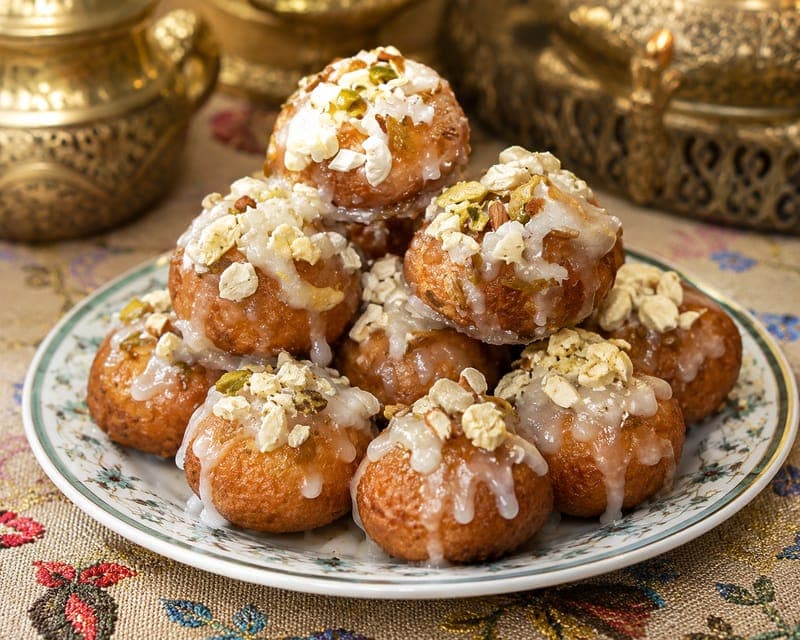
Basrakh is a renowned culinary offering from Kashmir. Made with traditional spices and cooking methods, this veg item delivers the deep flavor profile typical of Street Food cuisine. Perfectly seasoned with spices such as fennel, ginger, and saffron, it represents the rich culinary heritage of the valley.

VegMildINR 110-2204.7 / 5 popularity❀ Traditional Home-style Recipe

Waza AI Culinary Authority Scores

Authenticity4.1/5
Tourist Friendliness4.7/5
Luxury & Comfort3.5/5
Basrakh
History

Basrakh in Kashmiri tradition

The history of Basrakh stretches back generations, drawing deep influences from local traditions and Central Asian culinary pathways. Historically prepared by master chefs (Wazas) or passed down through domestic households, it has become a true staple of Kashmiri dining. It symbolizes hospitality and celebration, gracing tables during weddings, festivals, and family gatherings.

Tourist Tip

When ordering Basrakh, pair it with warm steamed rice or traditional local bread like Lavas. Ask your hosts about the specific spices used to enhance the flavor.
Where To Try It

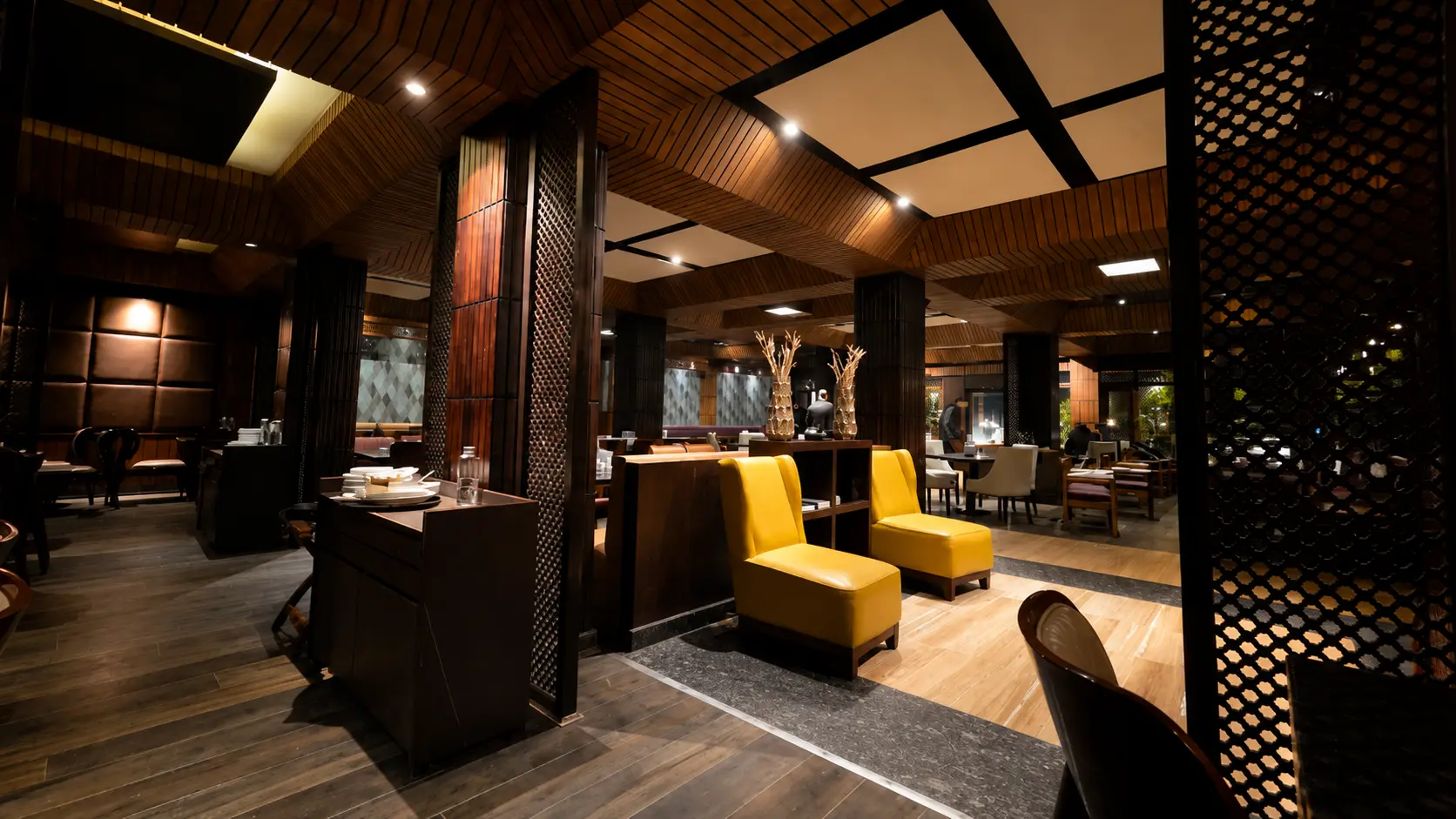
Restaurants serving Basrakh

The Recipe

How to make Basrakh(Basrakh)

Basrakh is Kashmir's celebration sweet: small hollow domes of ghee-shortened dough, fried slowly to a pale gold, then bathed in thick sugar syrup that dries to a frosted white crust. Crisp, crumbly and quietly rich, it appears on trays at engagements, weddings and winter festivities rather than in everyday sweetshops.

Prep 53 minCook 50 minServes about 20 piecesInvolvedKashmiri Muslim
Ingredients
  • ·375 g all-purpose flour (maida)
  • ·110 g ghee, melted, for the dough (the moyan/shortening)
  • ·3 tbsp powdered sugar, for the dough
  • ·150–180 ml lukewarm water, as needed
  • ·600 g sugar, for the coating syrup
  • ·500 ml water, for the syrup
  • ·4–5 green cardamom pods, lightly crushed (optional, in the syrup)
  • ·2 tbsp slivered almonds, pistachios or cashews, to garnish
  • ·Oil or ghee, for deep frying

Waza Tips

  • The moyan test: squeeze a fistful of the ghee-rubbed flour — if it holds its shape, the ratio is right; if it crumbles, add ghee.
  • Low, patient frying is the whole game; basrakh should stay pale gold, never brown like a mathri.
  • Syrup thickness decides the finish: too thin and it soaks in soggy, at thread stage it dries to the proper white frost.
  • Fry a single test dome first — if it splits or bubbles apart, the dough is too wet or the shaping left cracks.
Method
  1. 1

    Rub the melted ghee into the flour until the mixture clumps when squeezed — a proper moyan; then mix in the powdered sugar.

  2. 2

    Add lukewarm water gradually and press into a firm dough with minimal working — traditional instruction is explicit: do not knead it like bread dough, or the gluten toughens the sweet.

  3. 3

    Rest the dough, covered, 15 minutes.

  4. 4

    Divide into walnut-sized balls. Shape each into a hollow dome by moulding it over the rounded end of a pestle (or your thumb, or the back of a small ladle), pressing closed any cracks. The hollow is what makes basrakh light.

  5. 5

    Heat oil or ghee to a gentle 150–160°C. Fry the domes in batches on a low flame, turning gently, until pale golden all over and cooked through — roughly 8–12 minutes a batch; rushed frying colours the outside and leaves the inside raw and floury. Some makers part-fry in a sieve ladle first so the domes hold shape.

  6. 6

    Drain and cool the fried basrakh completely — traditionally they rest many hours or overnight before syruping, so the shells are bone-dry and take the coating properly.

  7. 7

    Make the coating syrup: boil the sugar and water (with cardamom, if using) until thick and sticky — reduced by roughly a third, at or past one-thread consistency, about 25–30 minutes at a steady boil.

  8. 8

    Working a few at a time, submerge each cooled basrakh in the hot syrup, lift out, and set on a rack or greased tray. Press slivered nuts on while tacky.

  9. 9

    Leave undisturbed several hours (traditionally around 5) for the syrup to crystallise into a dry, frosted white coat. Store airtight up to 2 weeks.

Common Mistakes
  • ×Kneading the dough smooth, which turns the crumbly shell hard and glassy.
  • ×Frying hot and fast — the classic failure is a dark shell with a raw, doughy interior.
  • ×Syruping while the basrakh are still warm, so the coating stays wet and never frosts.
  • ×Skipping the crack-sealing during shaping; hidden cracks split open in the oil.
At Home

No special equipment is needed beyond a pestle or ladle for shaping and a thermometer to hold the oil near 155°C — the hardest part at home is patience, not gear. If crystallising the coat intimidates, a safer route is to cook the syrup to one-thread, dip, and accept a glossier, slightly tackier finish. Halve the recipe for a first attempt; shaping speed comes with practice.

Serving

Serve on the tea tray at celebrations with kahwa or noon chai, or boxed as a gift between families — its traditional role at engagements and weddings.