SrinagarGood evening.
The Wazwan — Kashmir's royal feast
Wazwan Way · The Royal Feast

The Wazwan.

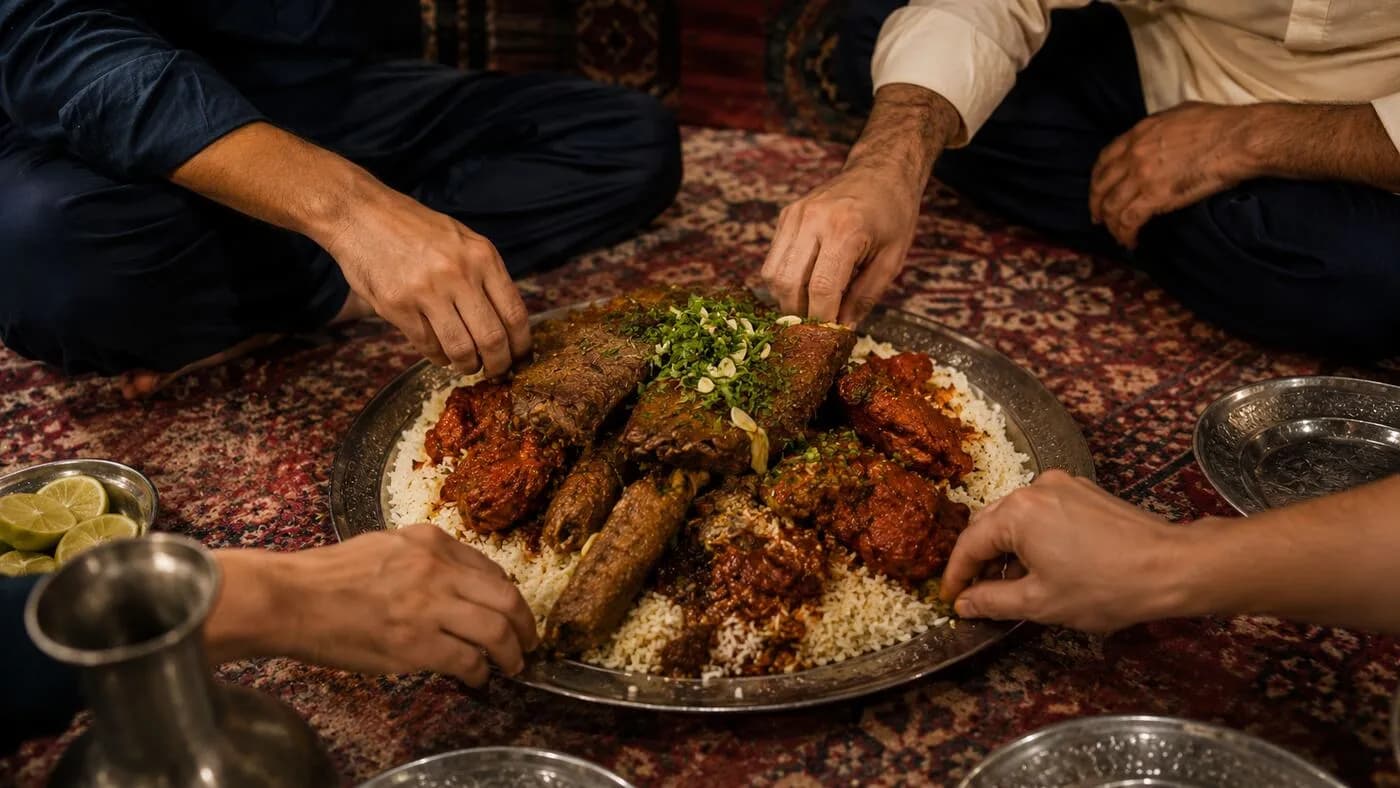
Thirty-six courses, one copper trami — the feast Kashmir is named for.

Begin the feast
Need help?

Waza is here.

A concierge that has eaten everywhere and slept nowhere — ask it anything about Kashmir.

Wazwan

Gushtaba

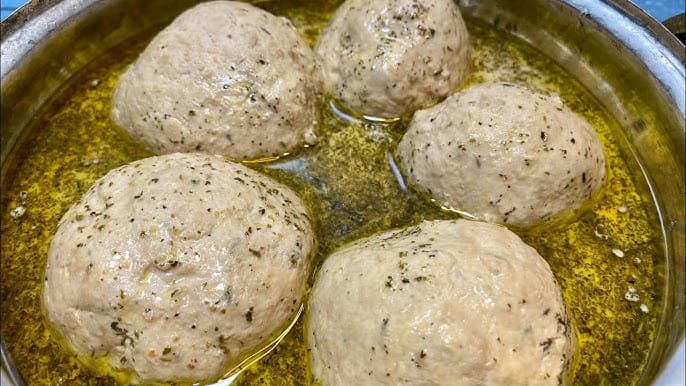
Gushtaba consists of finely pounded mutton meatballs cooked in a rich, creamy yogurt-based gravy. The texture is incredibly soft, almost melt-in-your-mouth, because the meat is traditionally hand-pounded rather than minced. Prepared with mutton, yogurt, ghee, cardamom, fennel powder, dry ginger, and often a hint of saffron, it is one of the grandest dishes in a Kashmiri Wazwan.

Non-vegMildSingle piece: INR 195-300 | Full plate: INR 650-9004.8 / 5 popularity★ Traditional Wazwan Course

Waza AI Culinary Authority Scores

Authenticity4.1/5
Tourist Friendliness4.4/5
Luxury & Comfort3/5
Gushtaba
History

Gushtaba in Kashmiri tradition

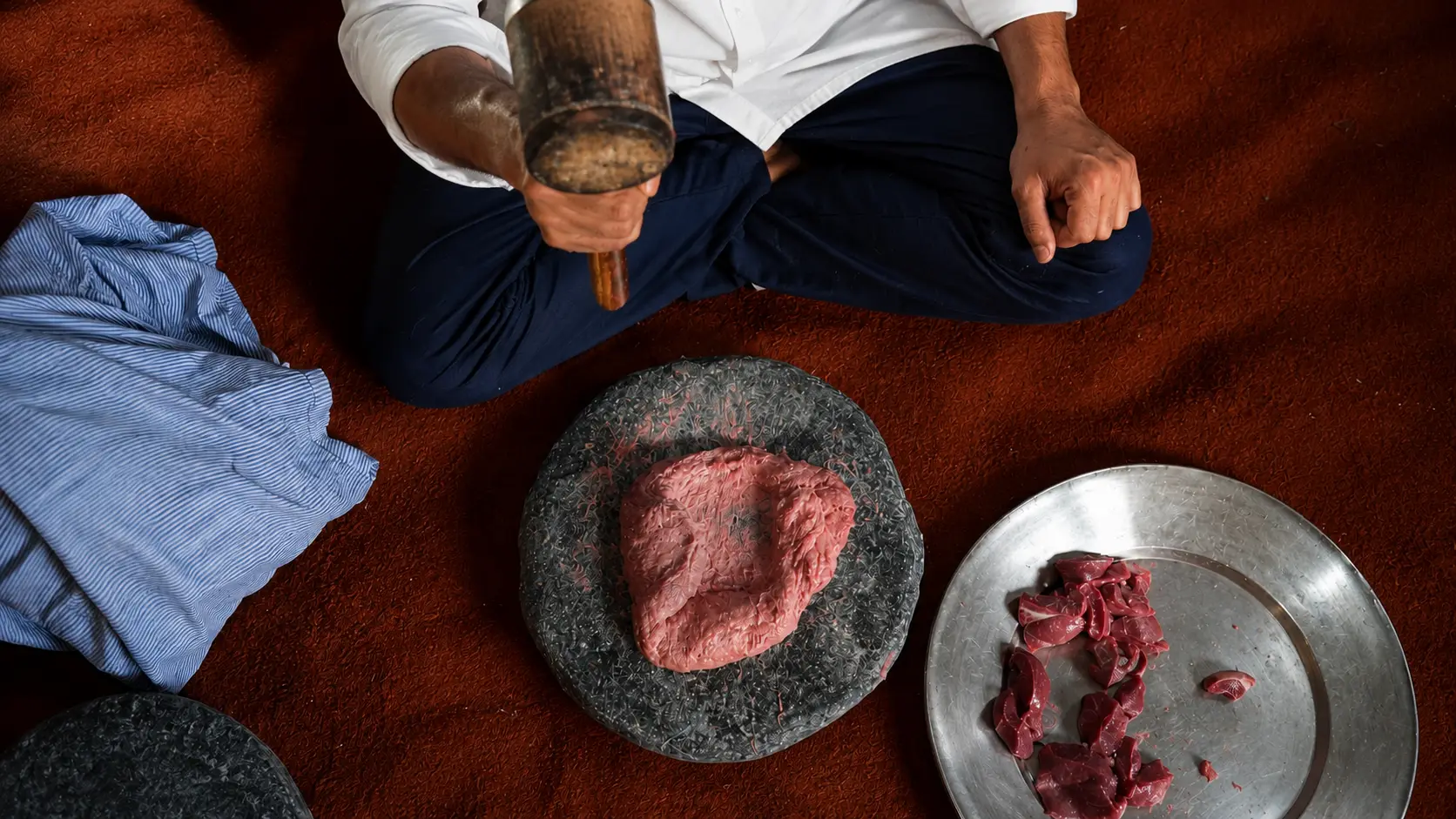
Gushtaba is widely known as the 'Dish of Kings' and historically holds a deeply ceremonial place in Kashmir's Wazwan tradition. The preparation technique traces back to Central Asian culinary practices brought into the valley by master chefs known as Wazas. Before modern tools, fresh mutton was pounded by hand on a stone block using heavy wooden mallets until it became a smooth, velvety paste. In Kashmiri culture, Gushtaba is traditionally served as the final savory course of a Wazwan, and its arrival signals the grand finale of the feast, ensuring guests leave fully satisfied.

Tourist Tip

For the best experience, enjoy Gushtaba as part of a full Wazwan meal and never ask for it at the beginning because it is traditionally the finale. In Srinagar, Ahdoos and Mughal Darbar are among the best-known places to try an authentic version.

Where To Try It

Restaurants serving Gushtaba

Ahdoos

Ahdoo's Hotel, Residency Road, Regal Chowk, Srinagar, Jammu and Kashmir 190001

View ->

Mughal Darbar

ground floor, Residency Road, near gpo, Munshi Bagh, Srinagar, Jammu and Kashmir 190001

View ->
The Recipe

How to make Gushtaba(Gushtaba)

Gushtaba is the full stop of the Wazwan: large, cloud-soft meatballs of hand-pounded mutton and fat, simmered in a warm white gravy of churned yogurt perfumed with green cardamom and dried mint. When it arrives, everyone at the trami knows the savoury courses are over.

Prep 98 minCook 68 minServes 4–6 (makes 8–10 large meatballs)ExpertKashmiri Muslim
Ingredients
  • ·For the meatballs: 1 kg boneless mutton leg, very fresh, cubed
  • ·200 g mutton fat (suet), softened in warm water (a spoon of ghee may replace part of it)
  • ·1 tsp ground black cardamom seeds
  • ·1 tsp dry ginger powder (sonth)
  • ·1 tsp fennel (saunf) powder
  • ·1.5 tsp salt
  • ·For the gravy: 750 g plain whole-milk yogurt, churned smooth
  • ·200 ml milk (optional, for extra body)
  • ·2 tbsp mustard oil
  • ·2 tbsp ghee
  • ·3 cloves
  • ·5 garlic cloves, finely chopped
  • ·3 tbsp praan (shallot) emulsion — fried shallots ground with hot water
  • ·1 tsp fennel powder and 1 tsp dry ginger powder (for the boiling stock)
  • ·8–10 green cardamom pods, lightly crushed
  • ·1/2 tsp ground black cardamom
  • ·1/4 tsp caraway seeds (shah zeera)
  • ·1 tsp garam masala
  • ·1 tbsp dried mint (or a small handful of fresh mint/coriander, chopped)
  • ·Salt to taste

Waza Tips

  • Gushtaba paste is pounded finer than Rista's — wazas say you should be able to spread it like butter before shaping.
  • Stir the yogurt gravy in one direction only and never leave it during the first boil; that is the moment it splits.
  • Poach, don't fry: the balls must set in barely-simmering liquid or they toughen at the surface.
  • Dried mint at the end is the signature aroma — add it late so it perfumes rather than stews.
Method
  1. 1

    Pound the meat exactly as for Rista: beat the cubes with softened fat on a stone or heavy board, folding and re-pounding, until you have a completely smooth, sticky, pale paste with no visible grain (this takes noticeably longer than rista-fineness — the gushtaba paste should be even silkier). Knead in the black cardamom, sonth, fennel and salt.

  2. 2

    With moistened palms, press and roll the paste into large compact balls, 5–7 cm across, pressing each twice so it is dense and crack-free.

  3. 3

    Bring a pot of water to a simmer with a little salt, fennel powder and ginger powder. Poach the balls gently for about 30 minutes until set and cooked through. Lift them out; strain and reserve the poaching stock.

  4. 4

    Churn the yogurt (with the milk, if using) until completely smooth — traditionally with a wooden churner, at home with a whisk or blender. Whisk in two ladles of the warm stock to temper it.

  5. 5

    In the cleaned pot, heat the mustard oil, add the ghee, cloves and garlic, and fry until fragrant.

  6. 6

    Pour in the tempered yogurt mixture and about 500 ml of the reserved stock, stirring constantly in one direction over medium heat until it comes to a gentle boil without splitting.

  7. 7

    Add the poached meatballs and the praan emulsion. Simmer gently, uncovered, 20–25 minutes, shaking the pot occasionally, until the gravy thickens slightly and beads of ghee show on the surface.

  8. 8

    Finish with the crushed green cardamoms, ground black cardamom, caraway, garam masala and dried mint. Simmer two minutes and serve each gushtaba with plenty of its white gravy.

Common Mistakes
  • ×Under-pounding — the single most common failure; dense gushtaba misses the entire point of the dish.
  • ×Adding cold yogurt straight to a hot pot, splitting the gravy; always churn smooth and temper with warm stock.
  • ×Adding chilli or turmeric — the gravy is deliberately white, its heat coming only from black pepper-family aromatics.
  • ×Hard-boiling the finished gravy, which curdles it and toughens the balls.
At Home

Use the same processor-plus-hand-beating method as Rista, keeping meat and fat cold, and beat a few minutes longer for the finer paste. Full-fat Greek-style yogurt let down with milk churns into a stable gravy; a teaspoon of rice flour or cornflour whisked into the yogurt is a pragmatic insurance against splitting, though no waza would use it. Shallots stand in for praan.

Serving

The final meat course of the Wazwan, served over rice as the closing statement before phirni and kahwa. At home it makes a stately centrepiece with plain rice; tradition says you don't turn it down.