SrinagarGood evening.
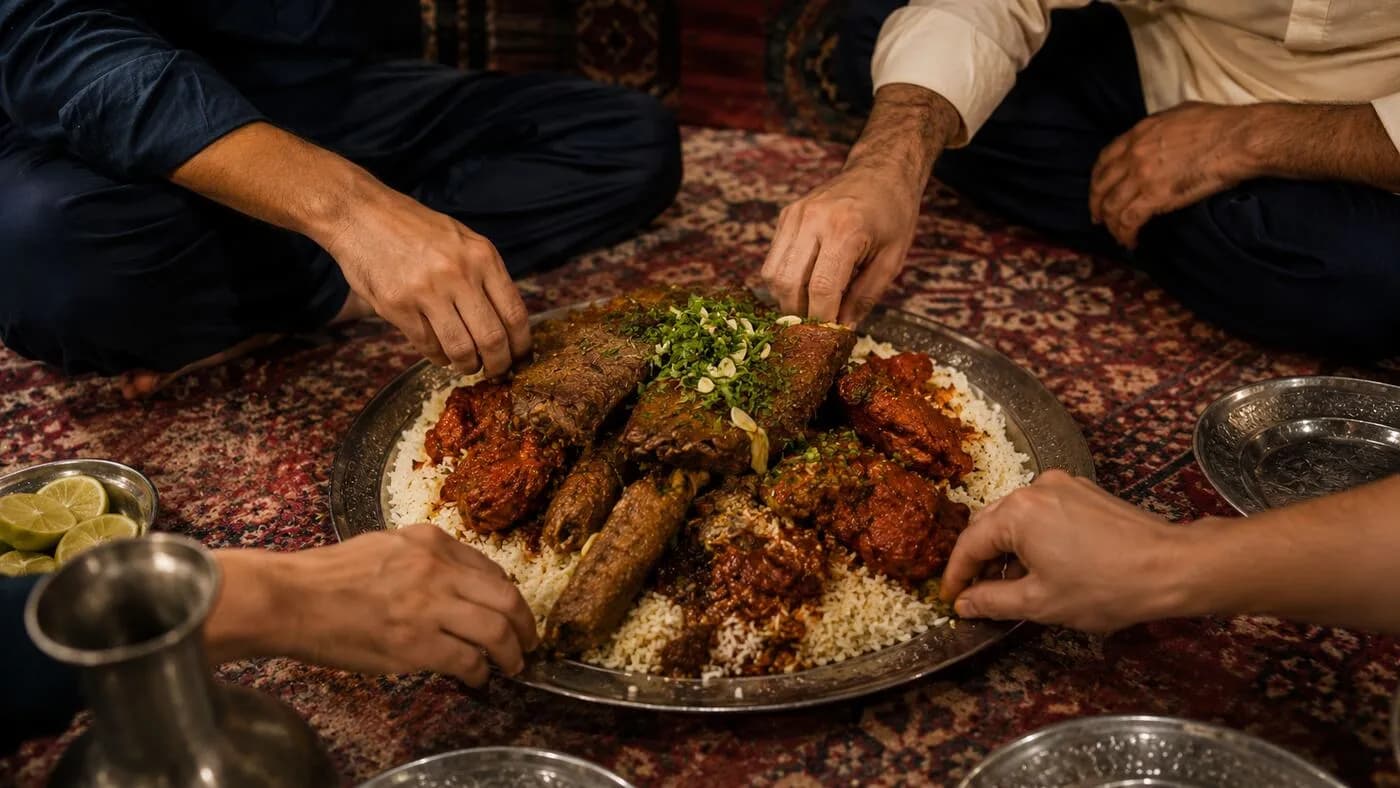
The Wazwan — Kashmir's royal feast
Wazwan Way · The Royal Feast

The Wazwan.

Thirty-six courses, one copper trami — the feast Kashmir is named for.

Begin the feast
Need help?

Waza is here.

A concierge that has eaten everywhere and slept nowhere — ask it anything about Kashmir.

Street Food

Harissa

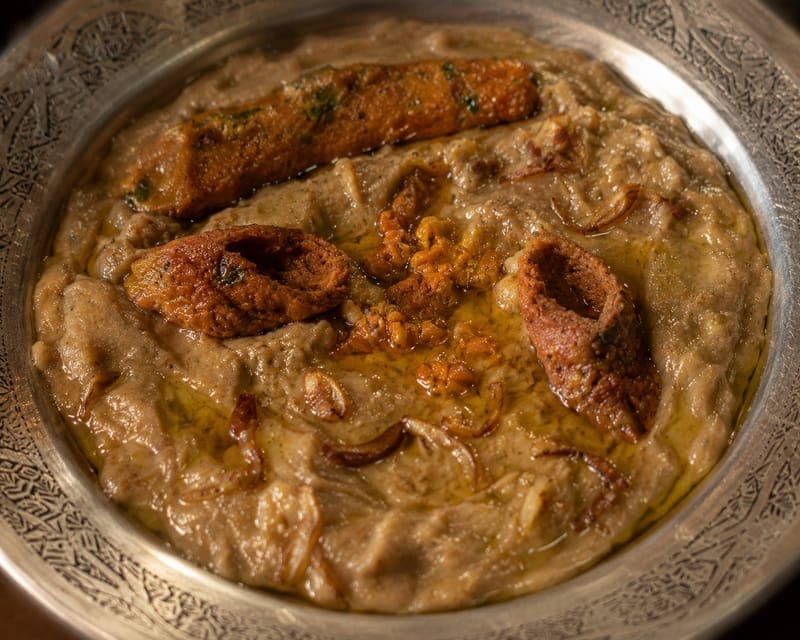
Harissa is a rich, smooth paste of mutton slow-cooked overnight with rice, spices, and oil, served hot with local baked flatbreads.

Non-vegMediumINR 200-4004.9 / 5 popularity❀ Traditional Home-style Recipe

Waza AI Culinary Authority Scores

Authenticity4.4/5
Tourist Friendliness5/5
Luxury & Comfort4/5
Harissa
History

Harissa in Kashmiri tradition

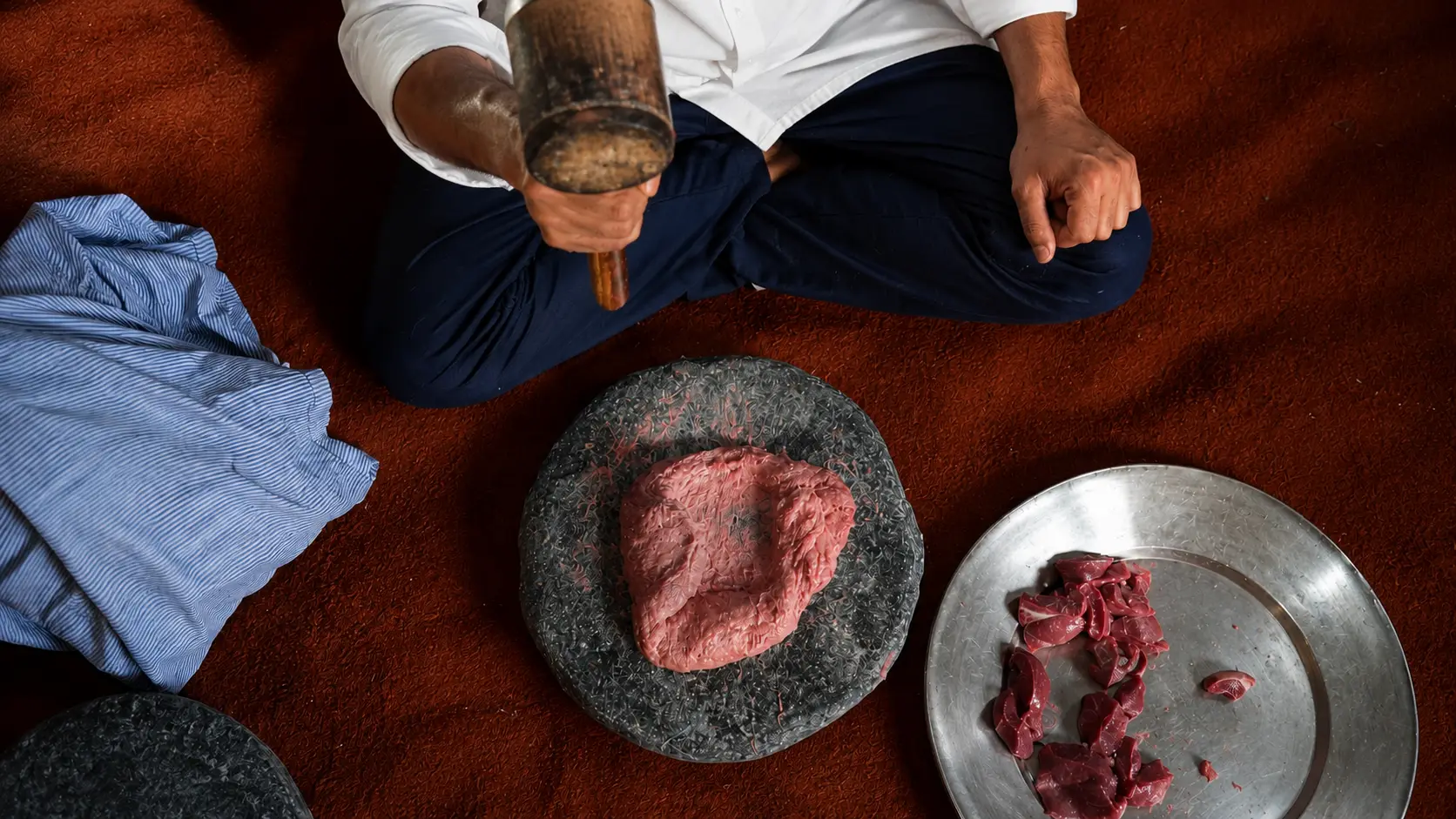
Brought to Kashmir from Central Asia, Harissa has been a winter breakfast staple in Downtown Srinagar for centuries. Specialized cooks (Haris-Froush) prepare it in large copper pots inside underground wood-fired ovens.

Tourist Tip

Go early in the morning (around 6 AM) to a traditional Harissa shop in Downtown Srinagar to experience it piping hot with local Lavas bread.
Where To Try It

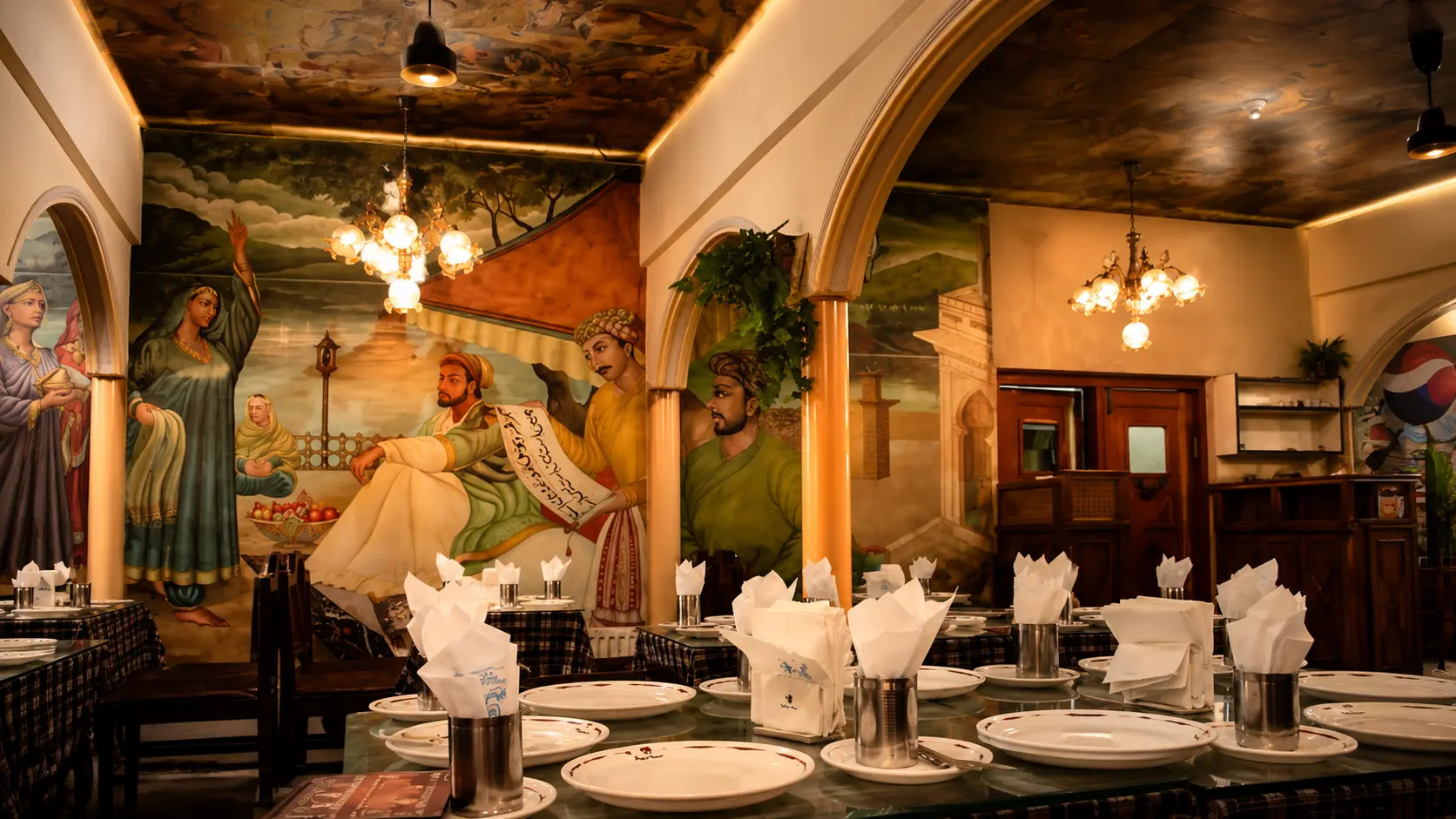
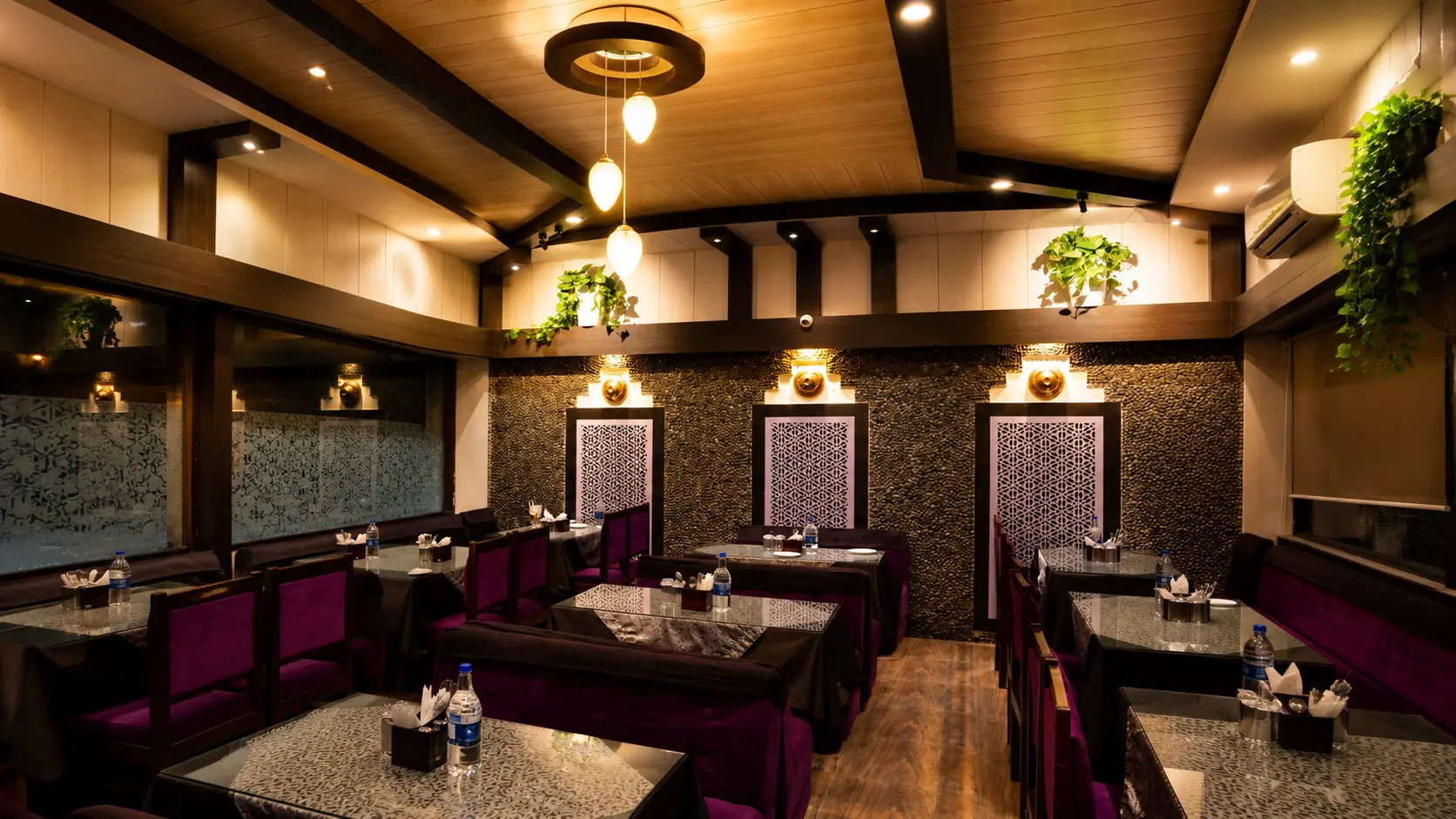
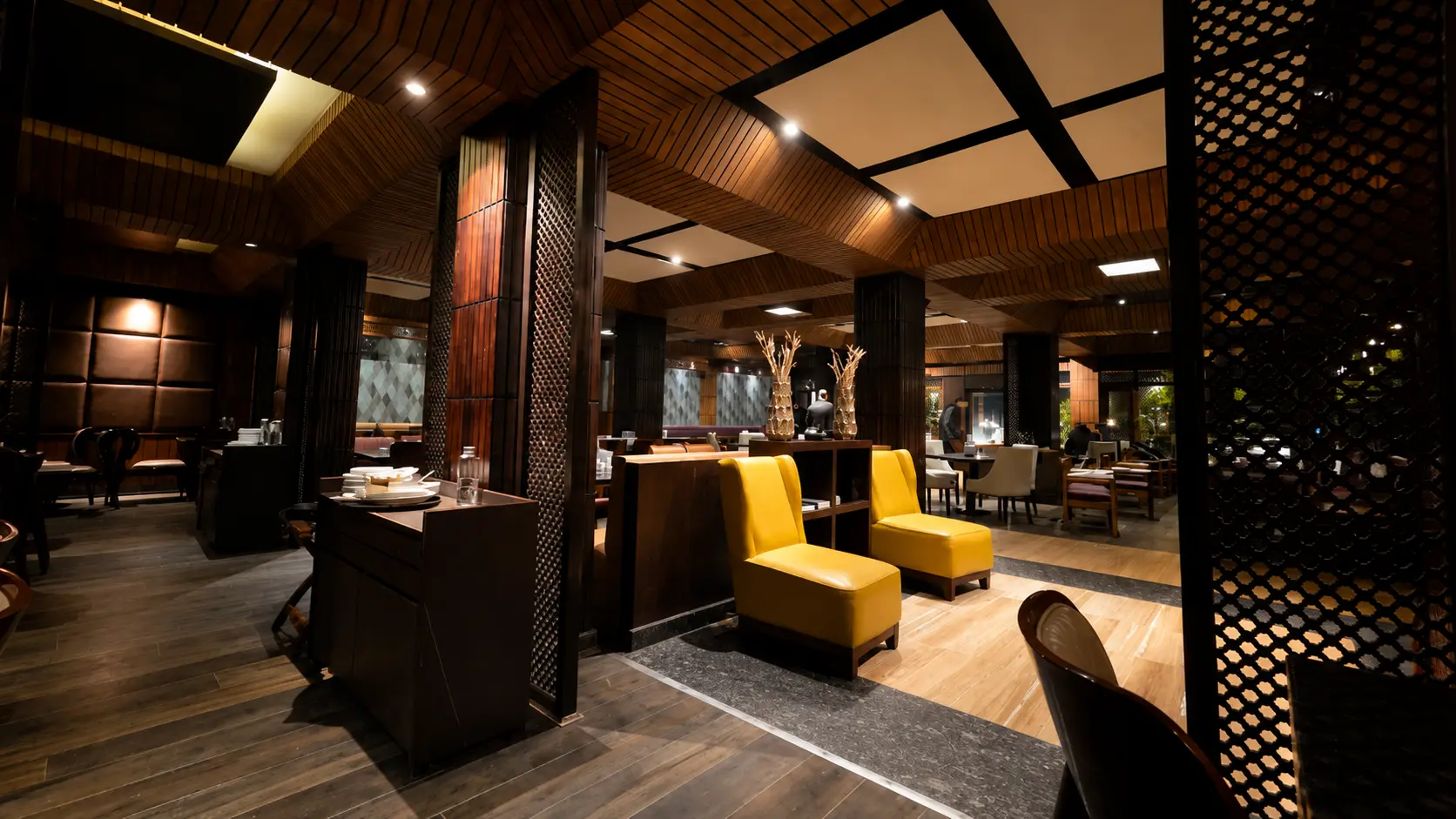
Restaurants serving Harissa

The Recipe

How to make Harissa(Harisa)

Srinagar's winter breakfast: mutton and rice cooked overnight and pounded, ladle-stroke by ladle-stroke, into a smooth, fennel-scented porridge, served scalding with a slick of smoking mustard oil and a round of fresh bread. It has nothing to do with the North African chilli paste that shares its name — this harissa is meat, patience and cold-morning ritual.

Prep 38 minCook 600 minServes 6–8ExpertKashmiri Muslim
Ingredients
  • ·1.5 kg boneless mutton (shoulder and leg, with a fair share of fat), cut into chunks
  • ·150 g short-grain rice, washed (some makers use rice flour or a rice-and-wheat mix — see flags)
  • ·3 tbsp fennel seeds
  • ·1 tbsp green cardamom pods
  • ·2 black cardamom pods
  • ·1 piece cinnamon (about 5 cm)
  • ·5 cloves
  • ·8 garlic cloves, crushed
  • ·1 small piece dried ginger (or 1 tsp sonth)
  • ·Salt to taste, about 1 tbsp
  • ·150 ml mustard oil (for the finishing tarka), plus 2 tbsp ghee
  • ·Optional garnish, shop-style: small seekh kebabs and/or a spoon of methi maaz
  • ·About 2.5–3 litres water

Waza Tips

  • Fat is structure: lean meat gives a grey paste, not harissa. Do not trim the mutton enthusiastically.
  • The pounding cannot be replaced by a blender without cost — machine-pureed harissa turns gluey. If you must use one, pulse coarsely and finish by hand.
  • The smoking-oil tarka at the table is non-negotiable; it is the dish's signature aroma.
  • Harisa guyrs judge doneness by resistance on the ladle — when the mass pulls back elastically and releases clean from the sides, it is ready.
Method
  1. 1

    Tie the fennel, both cardamoms, cinnamon, cloves and dried ginger loosely in a muslin pouch — the spices must flavour the pot for hours without leaving grit in the finished porridge.

  2. 2

    Put the mutton, garlic, salt, spice pouch and water into the heaviest pot you own (the shops use a copper or clay deg set into a masonry hearth). Bring to a boil, skim thoroughly, then drop to the lowest possible sustained simmer.

  3. 3

    Cook gently for 3–4 hours, topping up water as needed, until the meat is collapsing off its fibres. Add the washed rice and continue at the same murmur.

  4. 4

    Now the defining work begins: as the rice breaks down, work the pot continuously with a heavy wooden ladle or masher, pounding and stirring against the sides, pressing meat and grain together. In the shops this continues through the night; at a minimum it needs 2–3 hours of regular, patient working after the rice goes in.

  5. 5

    Squeeze out and remove the spice pouch partway through, once the aroma is fully established. Keep pounding and folding until no individual meat fibre or rice grain is distinguishable — the texture should be a dense, elastic, completely smooth porridge that mounds on a ladle.

  6. 6

    Adjust salt. Stir in the ghee. The harissa should be glossy, ivory-brown, and just loose enough to settle slowly in the bowl; adjust with a little hot water if it has tightened too far.

  7. 7

    To serve, ladle into bowls, make a well in the top, and pour over mustard oil heated until it just smokes. Garnish shop-style with a small kebab or a spoon of methi maaz if you have them, and serve immediately — harissa waits for no one.

Common Mistakes
  • ×Rushing the breakdown with high heat, which catches and scorches the base — a burnt note is unfixable in a pounded dish.
  • ×Skimping on fat or on pounding time; both produce a texture closer to porridge-with-meat than true harissa.
  • ×Leaving whole spices loose in the pot and finding cardamom husks in the finished bowl.
  • ×Serving it warm rather than scalding, and without the hot-oil tarka.
At Home

A home version is a weekend project, not a breakfast whim: use a heavy Dutch oven, do the long first simmer in a low oven (130°C) or slow cooker overnight, then finish the rice-and-pounding stage on the stovetop in the morning. A sturdy potato masher stands in for the wooden ladle. Halve the quantities on a first attempt — the pounding stage is a genuine workout.

Serving

Eaten at breakfast, scalding hot, with fresh tchot or girda bread torn and dipped straight into the bowl, ideally with noon chai alongside. In Srinagar it is a November-to-March pleasure; out of season the shops simply stop making it.