SrinagarGood evening.
The Wazwan — Kashmir's royal feast
Wazwan Way · The Royal Feast

The Wazwan.

Thirty-six courses, one copper trami — the feast Kashmir is named for.

Begin the feast
Need help?

Waza is here.

A concierge that has eaten everywhere and slept nowhere — ask it anything about Kashmir.

Bakery

Kashmiri Kulcha

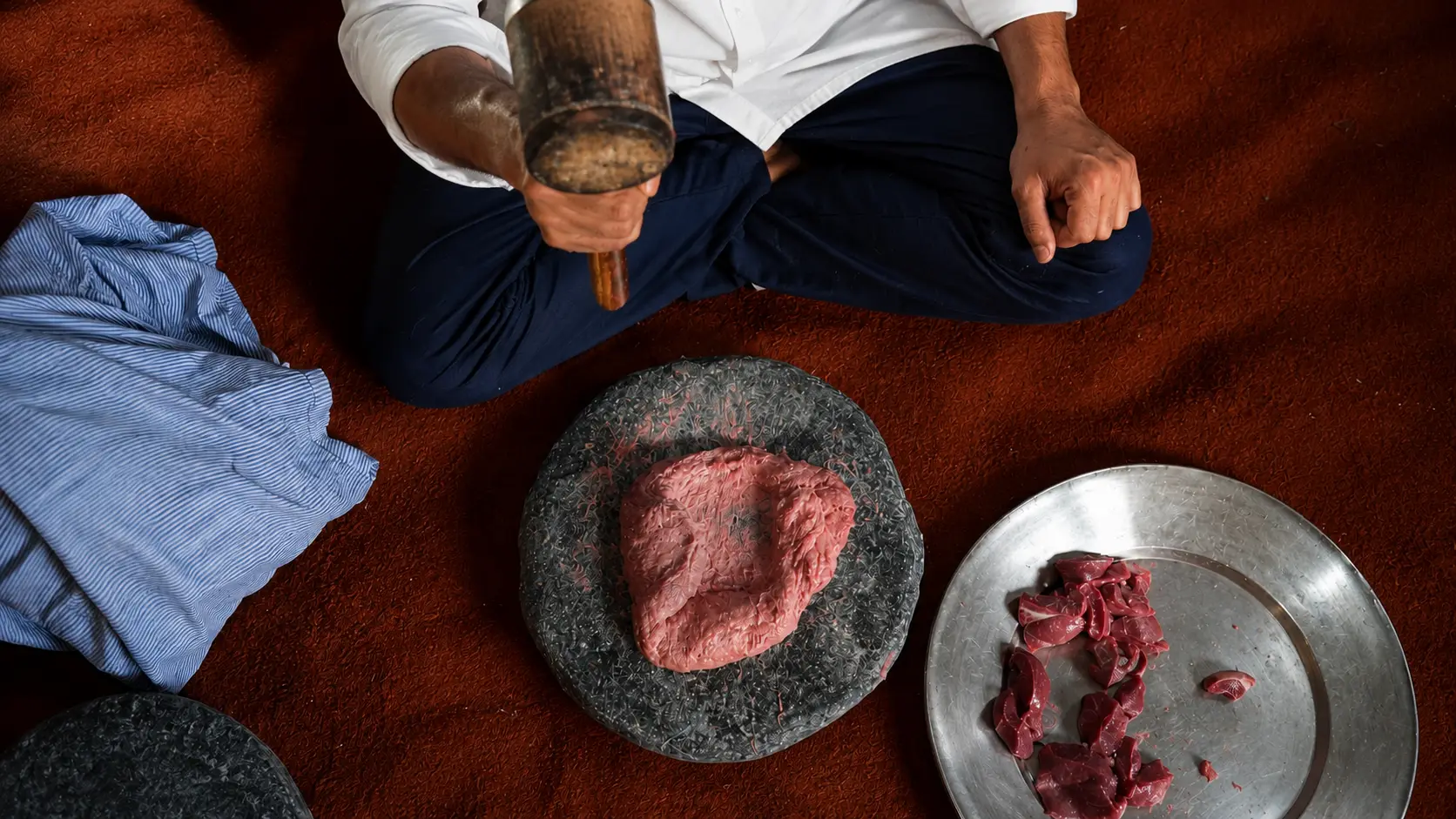
Kashmiri Kulcha is a dry, hard, biscuit-like baked bread with a golden crumbly texture, traditionally topped with poppy seeds. Unlike the soft, leavened Punjabi Kulcha, the Kashmiri version is a small snack biscuit specifically baked by the Kandur to be enjoyed with afternoon tea.

VegMildINR 15-304.7 / 5 popularity❀ Traditional Home-style Recipe

Waza AI Culinary Authority Scores

Authenticity4.4/5
Tourist Friendliness4.7/5
Luxury & Comfort3.5/5
Kashmiri Kulcha
History

Kashmiri Kulcha in Kashmiri tradition

Kashmiri Kulchas have been baked in neighborhood Kandur-wans for generations. There are sweet and savory versions, both of which are central to the valley's afternoon social gatherings. It is historically paired with Noon Chai or spiced saffron Kahwa.

Tourist Tip

Dip the hard Kulcha into your Noon Chai for a few seconds to soften it before taking a bite—the salty tea and crumbly biscuit flavor combination is a local favorite.

Where To Try It

Restaurants serving Kashmiri Kulcha

The Recipe

How to make Kashmiri Kulcha(Kulcha)

The Kashmiri kulcha has nothing to do with the soft stuffed kulchas of Punjab: it is a small, hard, crumbly biscuit-bread from the kandur's tandoor, usually salty, dusted with sesame and often pressed with a single peanut in the centre. It is built for dunking — its dry, short crumb drinks up noon chai without collapsing.

Prep 30 minCook 23 minServes 16–20 small kulchasModerateShared (variants noted)
Ingredients
  • ·250 g all-purpose flour (maida)
  • ·100 g ghee, melted and cooled (the high moyan/shortening is what makes it crumbly)
  • ·1 tsp salt (for the classic namkeen kulcha; reduce to 1/2 tsp and add 3 tbsp powdered sugar for the sweet version)
  • ·1 tsp sugar
  • ·1/2 tsp baking powder
  • ·1/4 tsp instant yeast (optional — some bakers use a touch of yeast, others none)
  • ·1/4 tsp green cardamom powder (traditional in the sweet version; optional in the salty)
  • ·60–80 ml milk, as needed to bind
  • ·2 tbsp milk (or 1 beaten egg yolk) for brushing
  • ·2 tbsp white sesame seeds
  • ·16–20 raw peanuts, one per kulcha (optional, the kandur's trademark)

Waza Tips

  • The ghee-to-flour ratio is the recipe: skimp on the moyan and you get a hard rusk instead of a short, melting crumble.
  • Bake low and slow relative to other tandoor breads — kulcha must dry out to the centre, not just brown.
  • Handle the dough like pastry, not bread; the less you work it, the better it shatters.
  • Salty kulcha with noon chai, sweet kulcha with lipton (sweet) chai — kandurs sell both for a reason.
Method
  1. 1

    Whisk the flour, salt, sugar, baking powder, yeast (if using) and cardamom together.

  2. 2

    Rub in the melted ghee until the mixture looks like damp sand and holds a print when squeezed — this shortening step, not kneading, decides the texture.

  3. 3

    Add milk a spoonful at a time and press together into a firm, just-cohesive dough. Do not knead beyond bringing it together; working it develops gluten and toughens the kulcha.

  4. 4

    Cover and rest 30–60 minutes (if you used yeast, let it sit the full hour in a warm spot).

  5. 5

    Divide into 16–20 balls, flatten each slightly into a thick disc about 4–5 cm across, and set on a lined baking tray with space between.

  6. 6

    Brush the tops with milk or egg yolk, sprinkle generously with sesame seeds, and press one peanut into the centre of each.

  7. 7

    Bake at 180–190°C for 20–25 minutes until evenly pale gold and completely dry through — in the tandoor they bake at the cooler margin until they sound hollow and dry.

  8. 8

    Cool fully on a rack; they crisp and set as they cool. Store airtight for up to 3 weeks.

Common Mistakes
  • ×Kneading the dough smooth like a bread dough — the crumbliness comes from an unworked, shortcrust-style dough.
  • ×Pulling them out as soon as they colour; an underdried kulcha turns leathery by the next day.
  • ×Using soft or melted-hot ghee poured in at once, which makes the dough greasy instead of sandy.
  • ×Making them large and thin — kulcha is a small, thick biscuit, not a cracker.
At Home

This is the most home-oven-friendly of the kandur breads because it wants moderate, even heat rather than tandoor blast: a standard fan oven at 180°C reproduces it closely. The main translation is patience — bake until fully dry (a kulcha broken in half should show no moist centre) and let them cool completely before judging texture, as they harden off the tray. If your first batch is soft inside, return them to a 150°C oven for 10 minutes rather than raising the temperature.

Serving

Serve with noon chai, dunked whole and eaten by the spoonful as it softens — the definitive Kashmiri pairing. Also good alongside kahwa or afternoon tea from the tin.