Lavasa in Kashmiri tradition
Lavas has deep Central Asian roots. It acts as the primary wrap for street foods (Tujji) and winter Harissa in the valley.
Tourist Tip
Use it to scoop up hot Harissa or wrapped around skewered Tujji kababs.
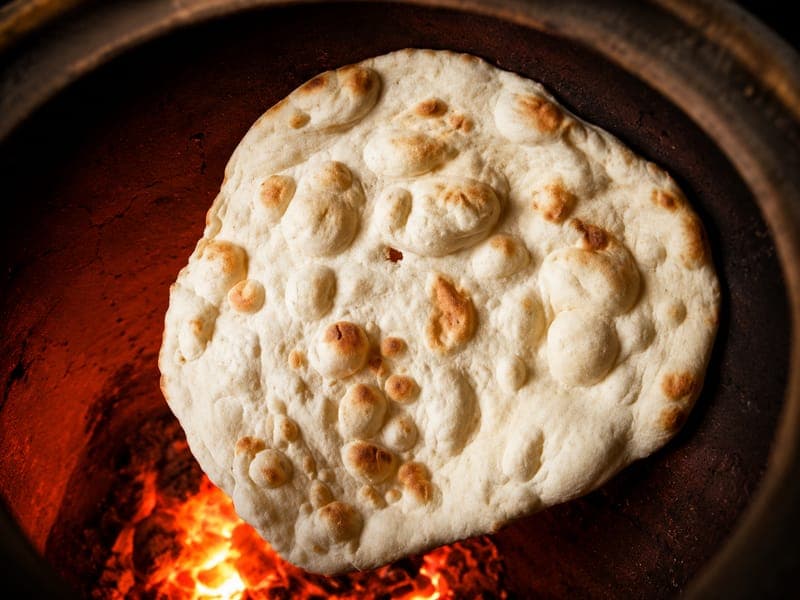
Lavas is a thin, puffed unleavened flatbread baked in a tandoor, commonly wrapped around barbecue or harissa.
Lavas has deep Central Asian roots. It acts as the primary wrap for street foods (Tujji) and winter Harissa in the valley.
Tourist Tip
Use it to scoop up hot Harissa or wrapped around skewered Tujji kababs.
Lavas is the kandur's thin, soft, pale flatbread — pliable enough to fold around anything, mild enough to carry butter and jam at breakfast or a rack of street-side tujji at night. Unlike girda it is baked on the floor of the tandoor rather than slapped to its wall, which keeps it soft and white rather than blistered and brown.
Waza Tips
Mix the flour, yeast, sugar and salt. Add water gradually and knead 7–8 minutes to a smooth, medium-soft dough — softer than a chapati dough, firmer than a batter-slack naan dough.
Oil the dough lightly, cover, and prove in a warm place about 1 hour, until doubled.
Divide into 8 balls and rest 10 minutes under a cloth so they roll without springing back.
On a floured surface, roll each ball into a thin round or oval, 2–3 mm thick and about 20 cm across. Thinness matters more than shape.
In the tandoor, lavas is laid on the oven floor for under a minute per side until just cooked and still pale. At home: heat a heavy tawa or cast-iron pan over medium-high heat until water beads and skitters on it.
Brush one face of the rolled bread lightly with water and press that wet side down onto the hot tawa — the water glues it to the metal, tandoor-style, so it cooks flat without cushioning air.
Cook 40–60 seconds until the top surface dulls and bubbles rise, then release with a spatula and finish the second side 20–30 seconds — either flipped in the pan or kissed briefly over an open flame. Pull it while still soft and pale, with only faint freckles of colour.
Stack immediately inside a folded cloth so the breads steam each other soft. Repeat with the rest.
The tandoor-floor bake translates better to a stovetop tawa than to a home oven: an oven's ambient dry heat browns and stiffens the bread before it finishes, while a hot cast-iron surface with the water-brushed face stuck to it mimics the gentle conductive bake that keeps lavas soft and white. If you must use an oven, bake on a preheated steel at 230°C for barely 60–90 seconds and pull it before it colours. Expect home lavas to be slightly thicker than the kandur's, whose long paddle and practiced stretch get it thinner than a rolling pin easily will.
At breakfast, spread with butter or jam beside noon chai. Its great second life is on the street: rolled around spiced white peas as masala tsot, or wrapped around charcoal tujji with radish chutney.
Thirty-six courses, one copper trami — the feast Kashmir is named for.
Begin the feastA concierge that has eaten everywhere and slept nowhere — ask it anything about Kashmir.
Not a list — a seating. Scroll, and be walked from table to table.
Where Srinagar has eaten since 1918.
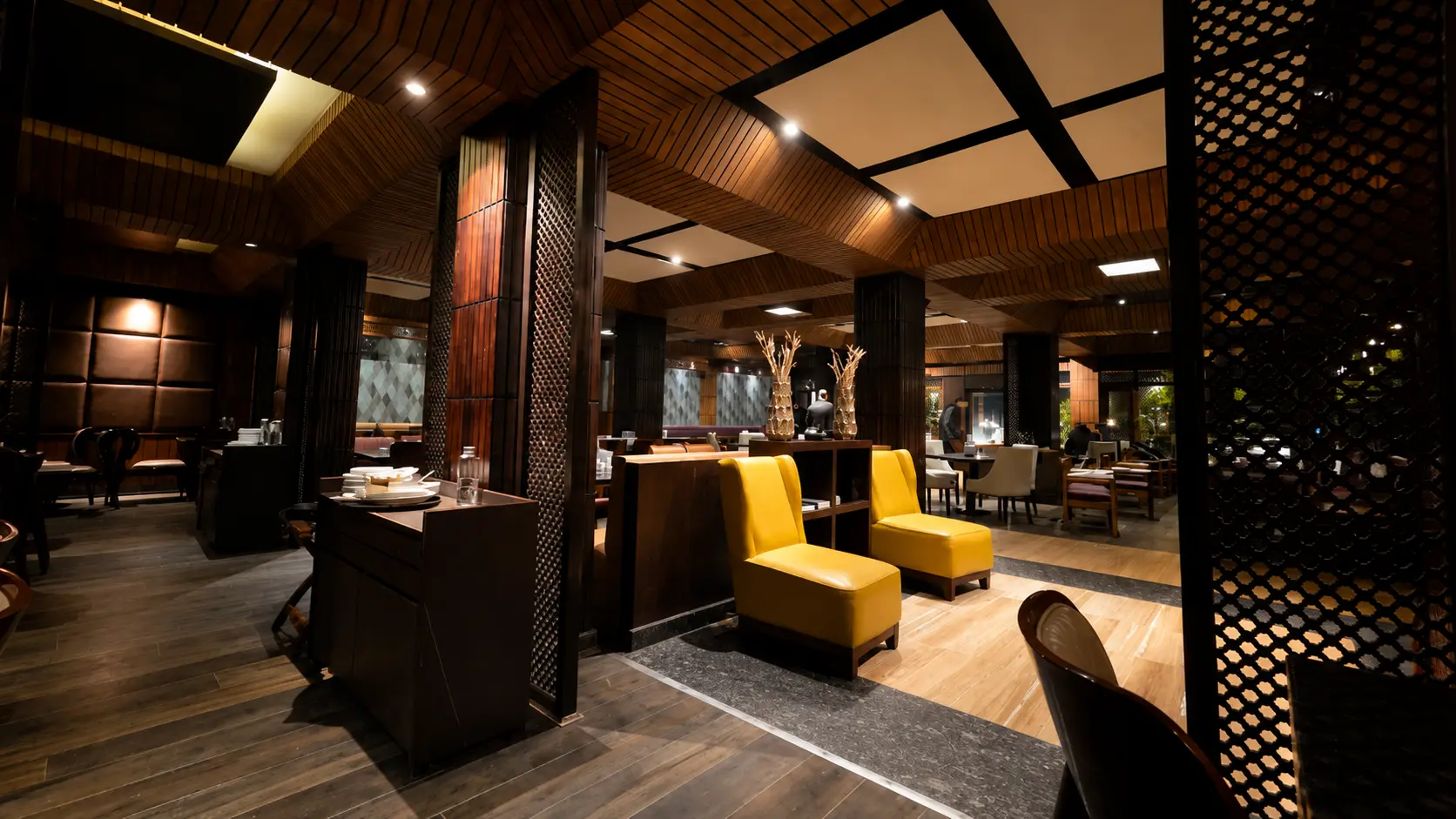
A century-old dining room on Residency Road that taught generations what a proper Rogan Josh should taste like. Unhurried, unchanged, unmistakable.
Enter the dining room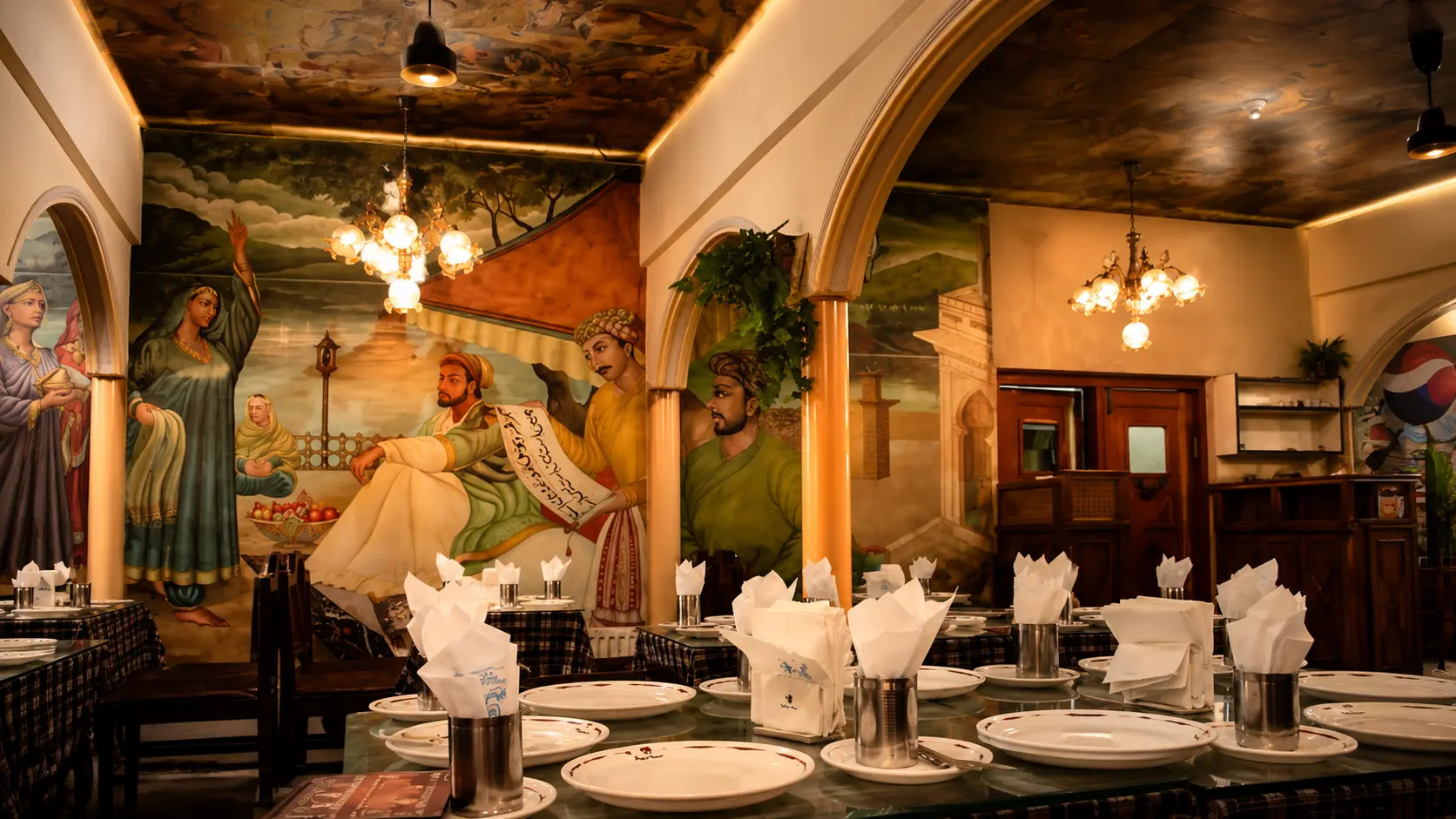
The wedding feast, every single day.
Wazas work the copper degs from dawn — the same courses served at Kashmiri weddings, plated for a table of two. Gushtaba here ends arguments.
Enter the dining room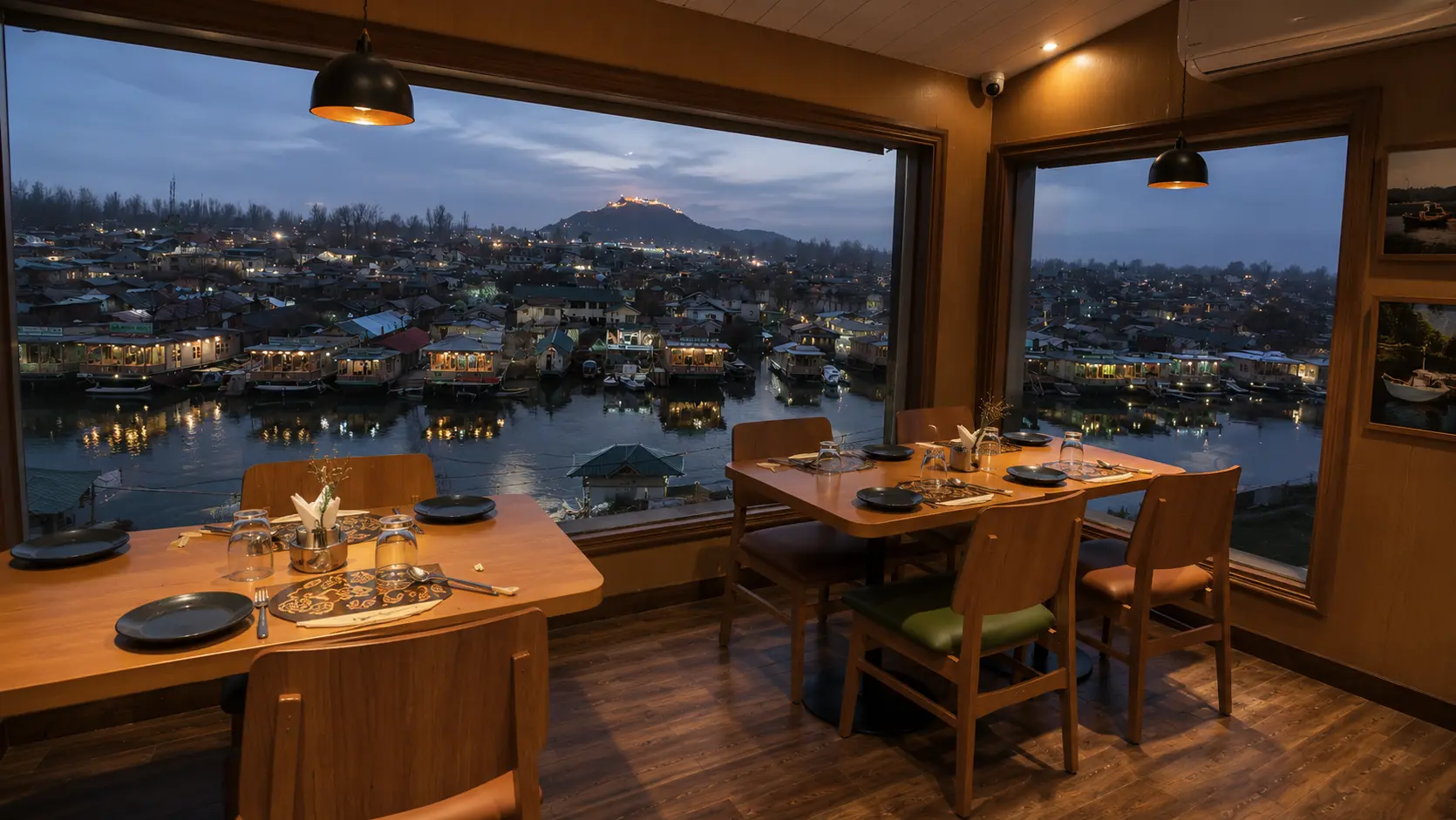
The art of dining, facing the Zabarwan.
Modern Kashmiri fine dining — heritage recipes composed like paintings, served in a room of walnut wood and candlelight beneath the mountains.
Enter the dining room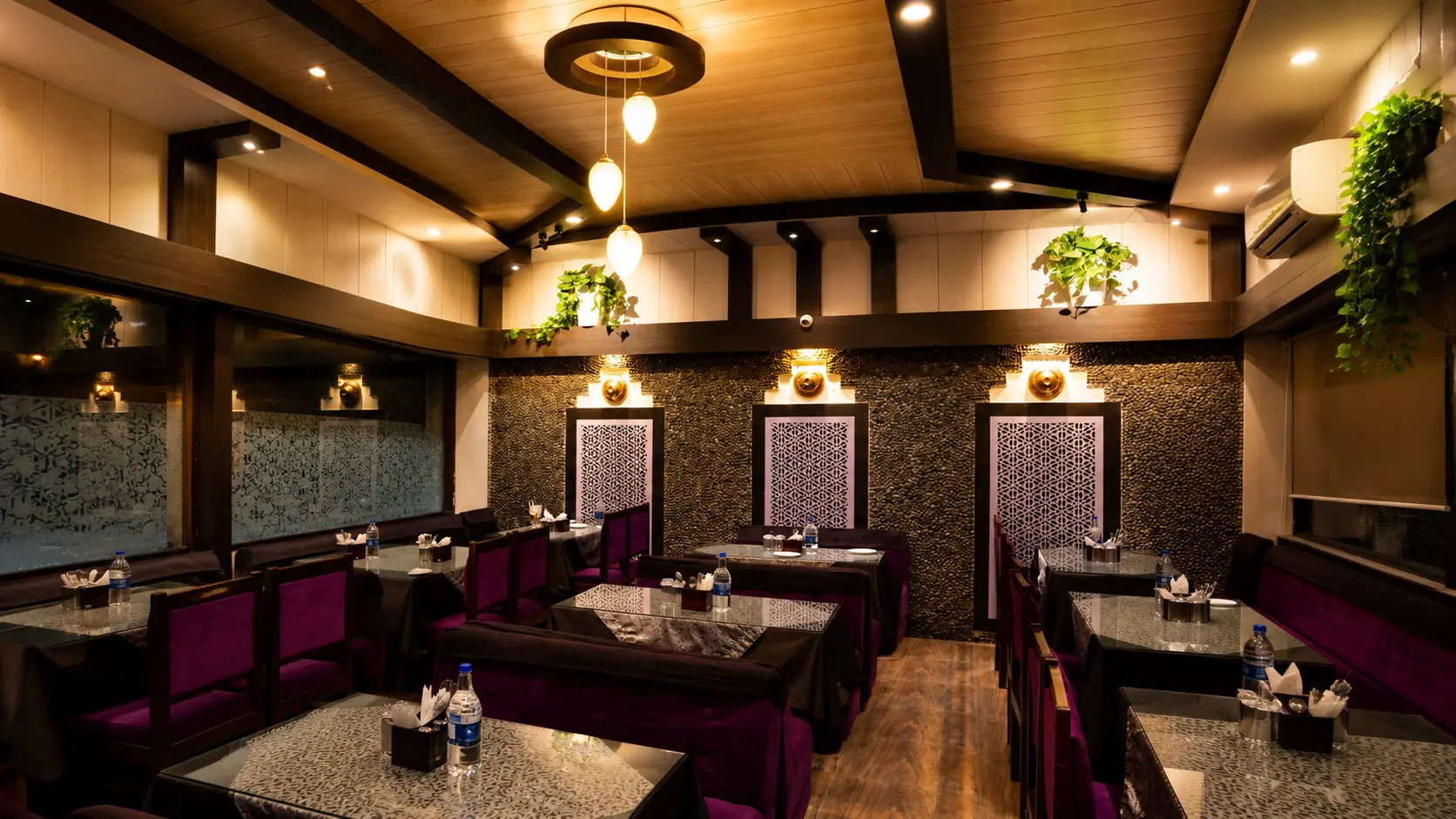
Dinner beside the still water.
A boulevard institution where houseboat lights flicker across your table. Come at dusk, order Yakhni, and let the lake do the talking.
Enter the dining room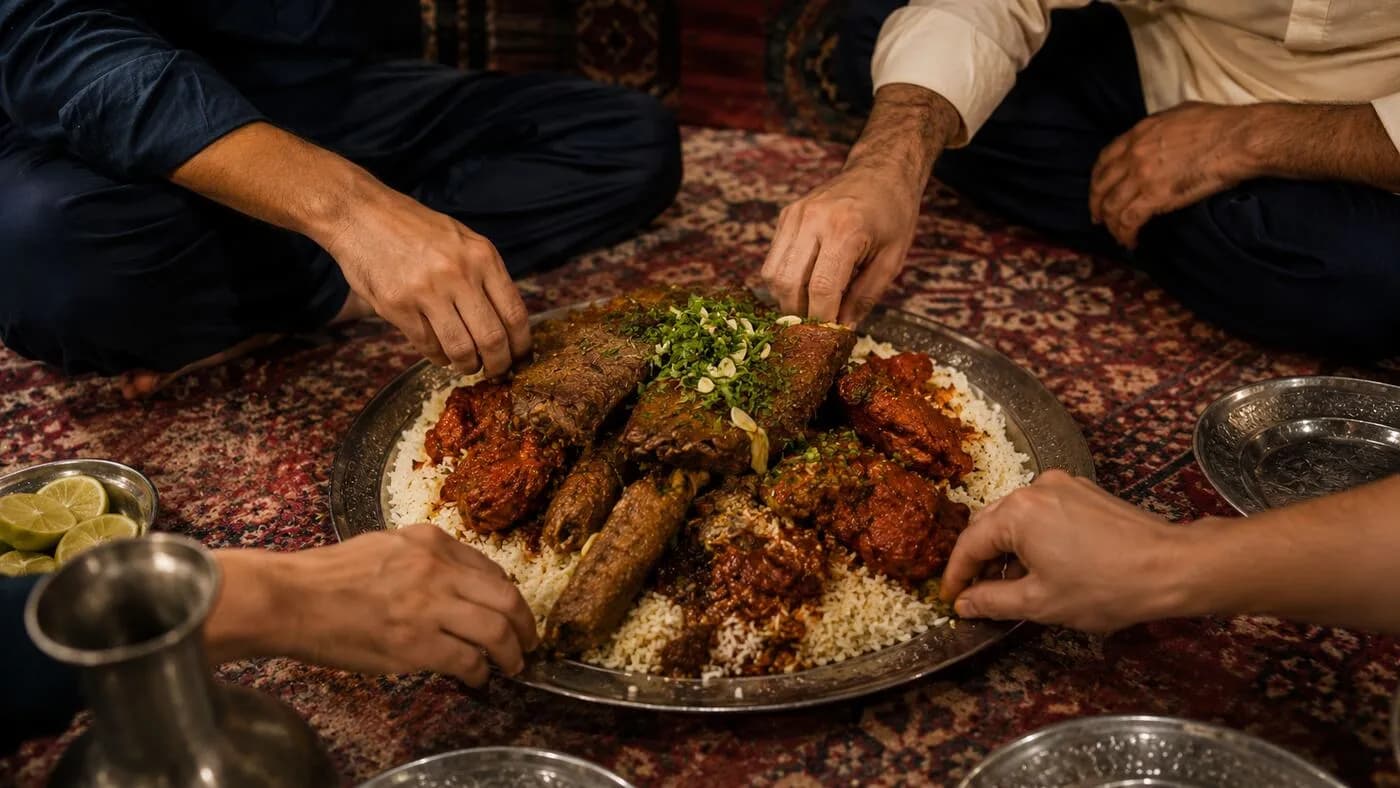
The tash-naer comes to you before the food — warm water poured over your hands. Nothing touches the rice before the water touches you.
The trami feeds four. Your wedge is yours alone; the far side belongs to a stranger — and to their trust in you.
No hand reaches before the senior one. Rank at the trami is measured in years, never in wealth.
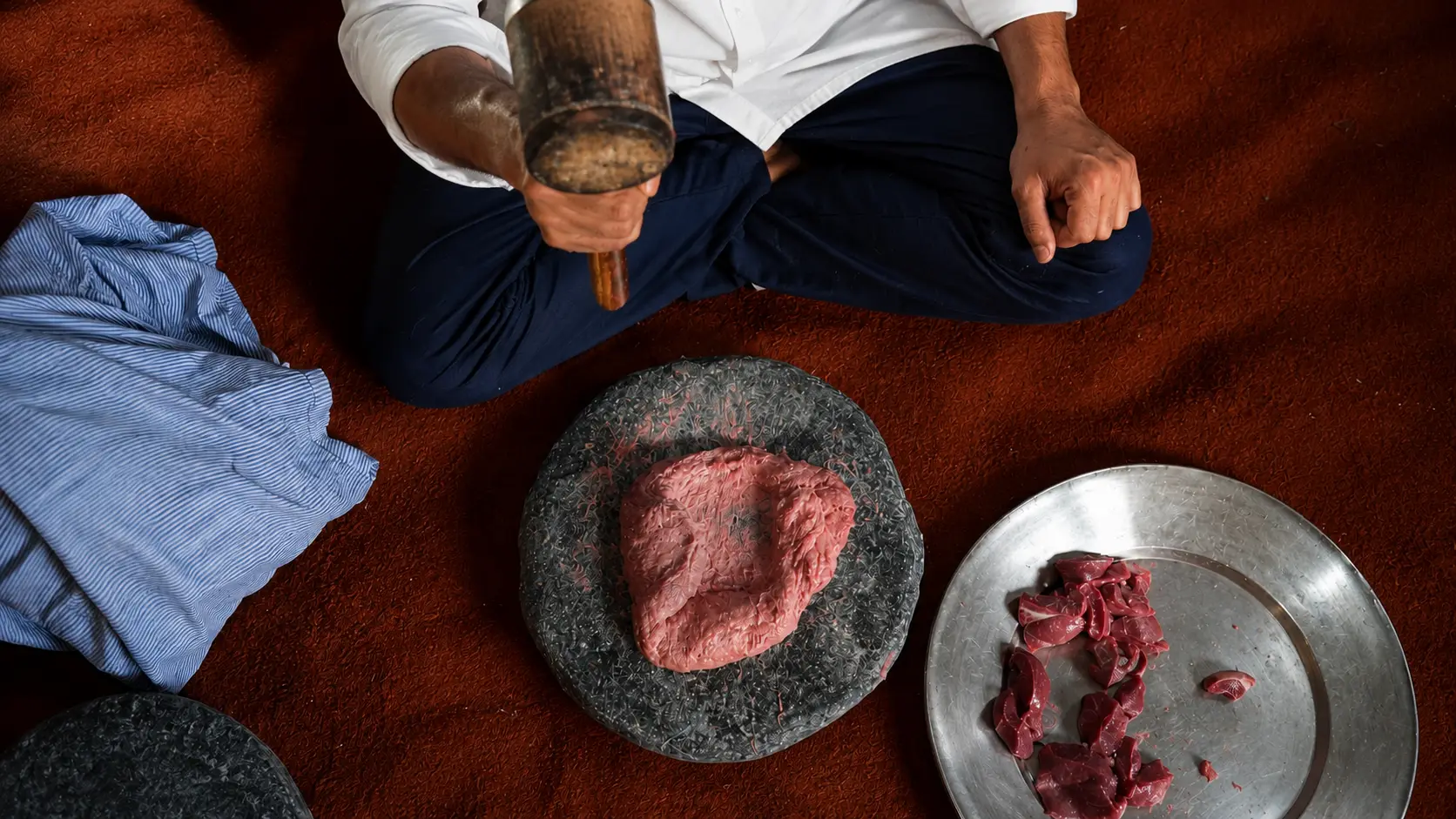
The last course is the host's honour, pounded smooth by hand for hours. Declining it ends more than the meal.
Every pass and valley crossing in Kashmir, mapped by distance, altitude and the stops worth slowing down for. Drive one now — without leaving your seat.
One road, one steady climb into the meadow.
43.5 km · 1.5 hrs
The same valley, four different masterpieces. Watch it turn.
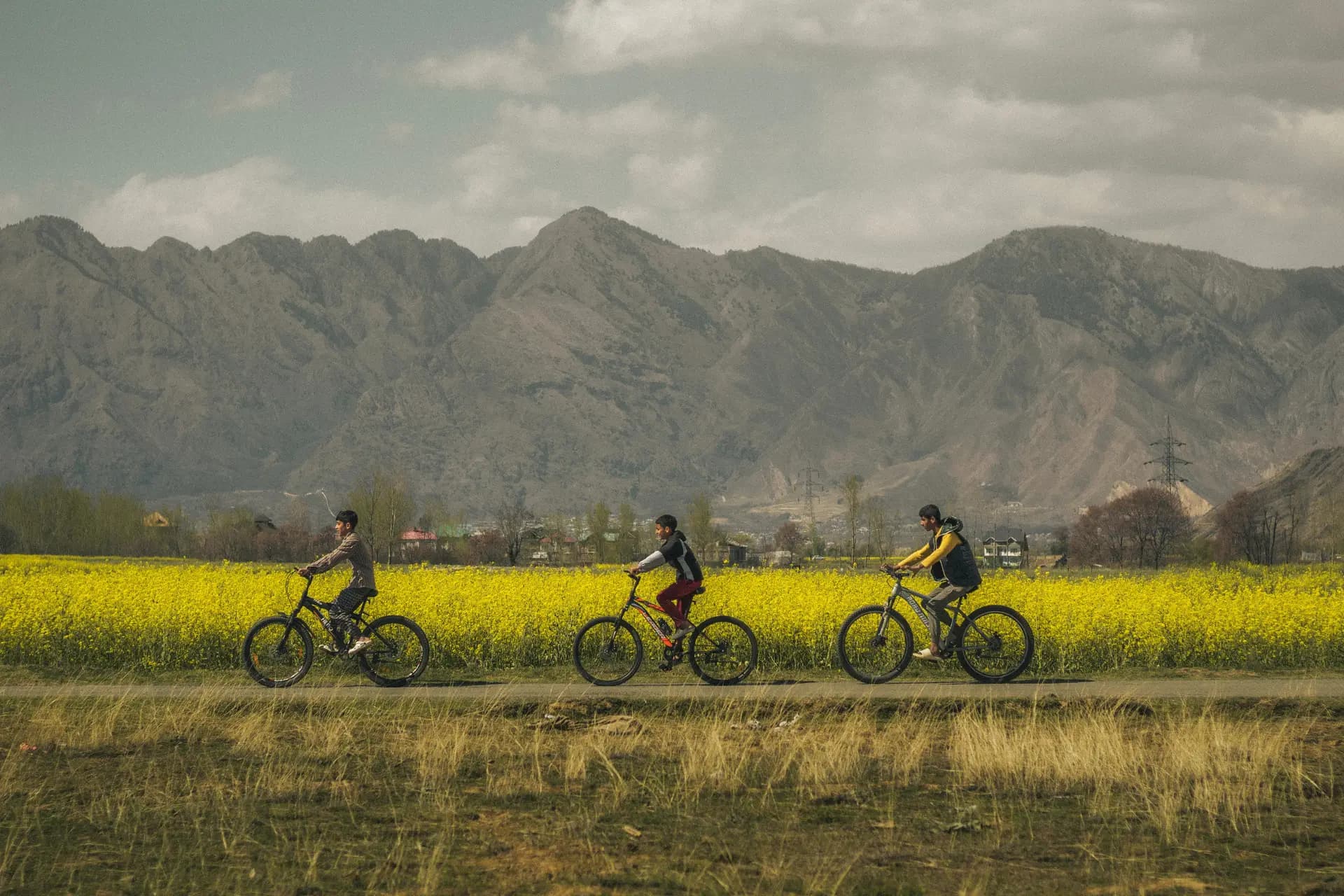
The valley wakes in tulips.
Mustard fields run gold to the mountains; mornings smell of blossom and wet earth.
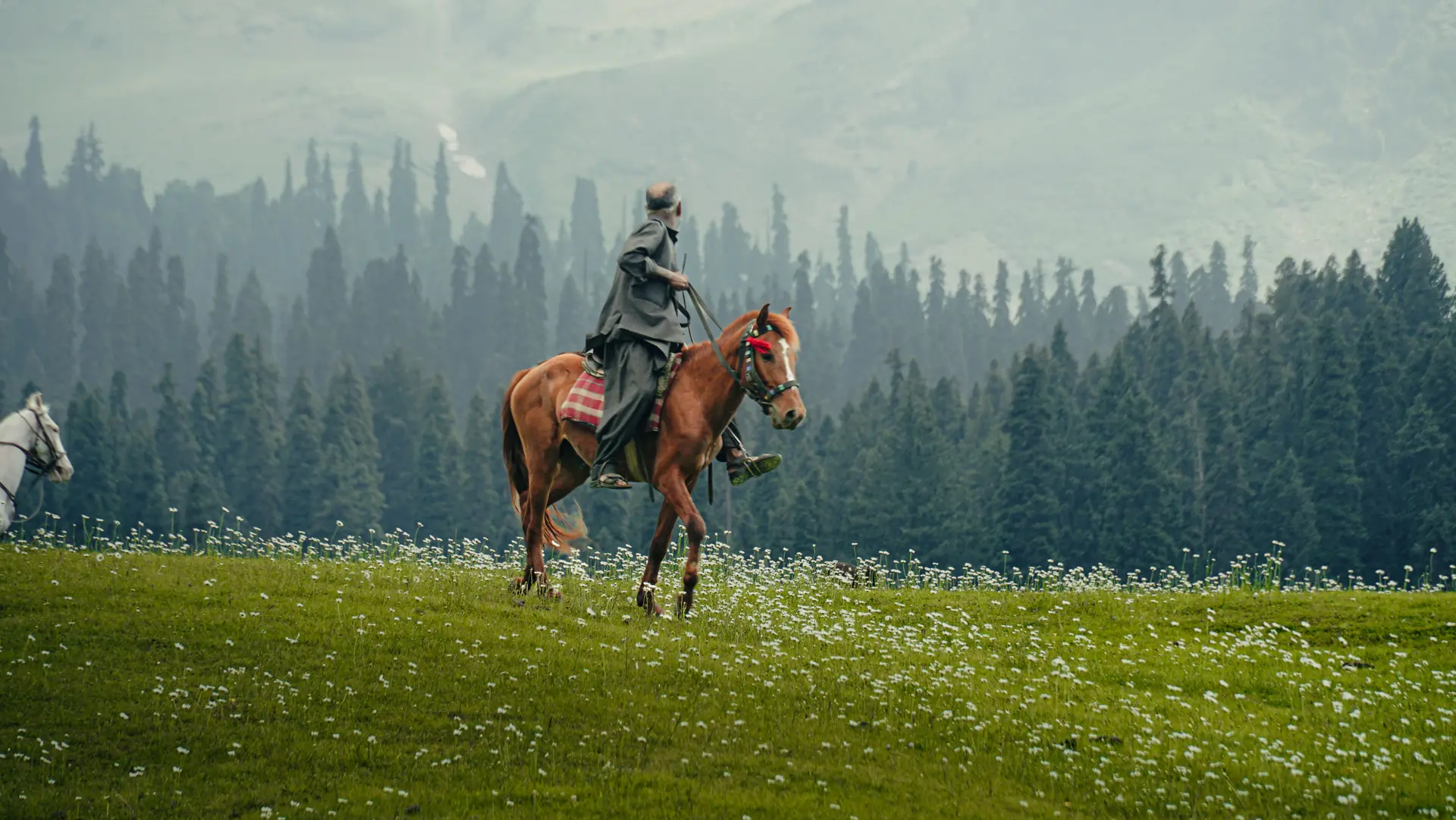
Meadows climb to the snowline.
Rivers loud with meltwater, shepherds moving higher, days that refuse to end.
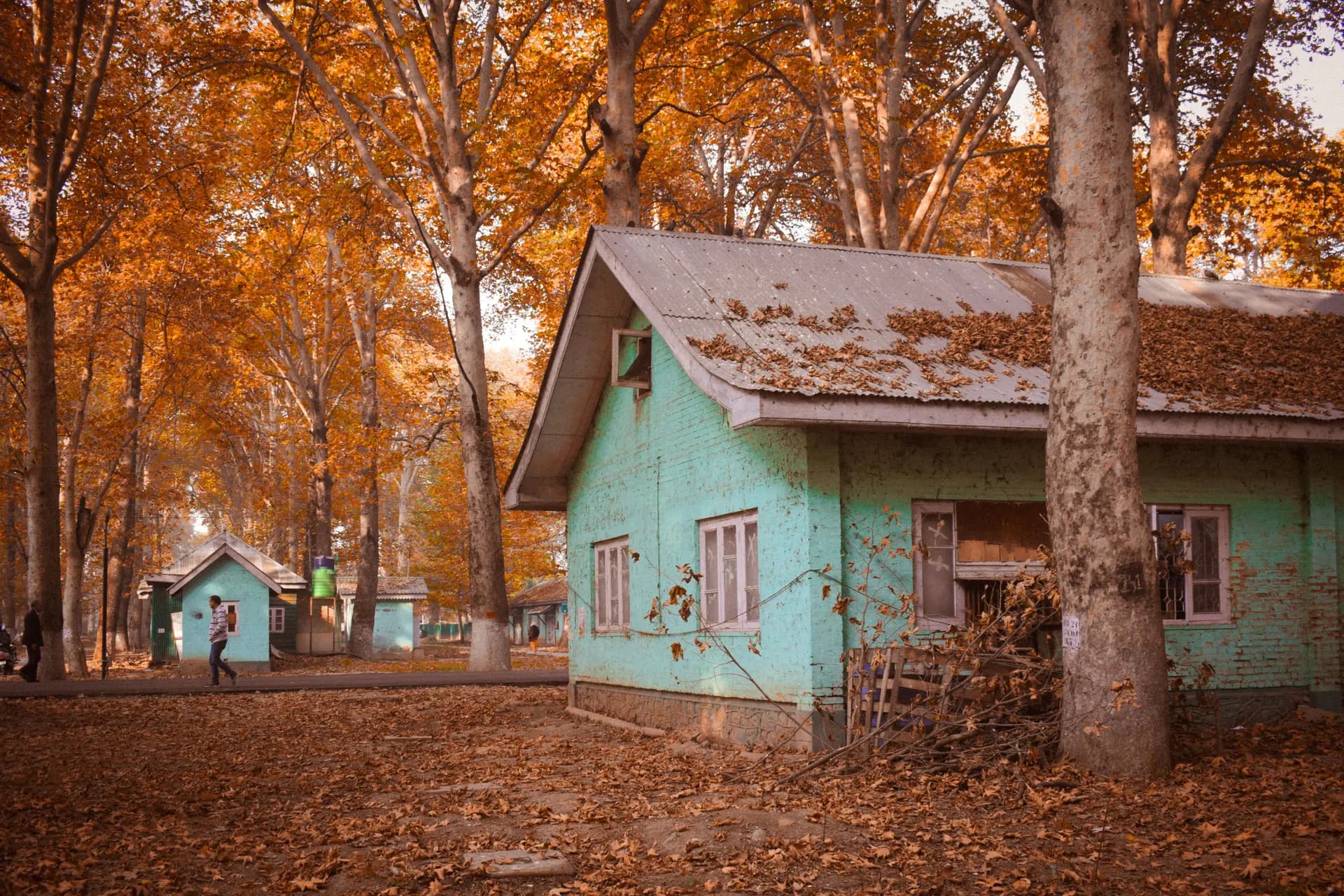
The chinars catch fire.
Orchards heavy with apples; every avenue burns amber, copper and rust.
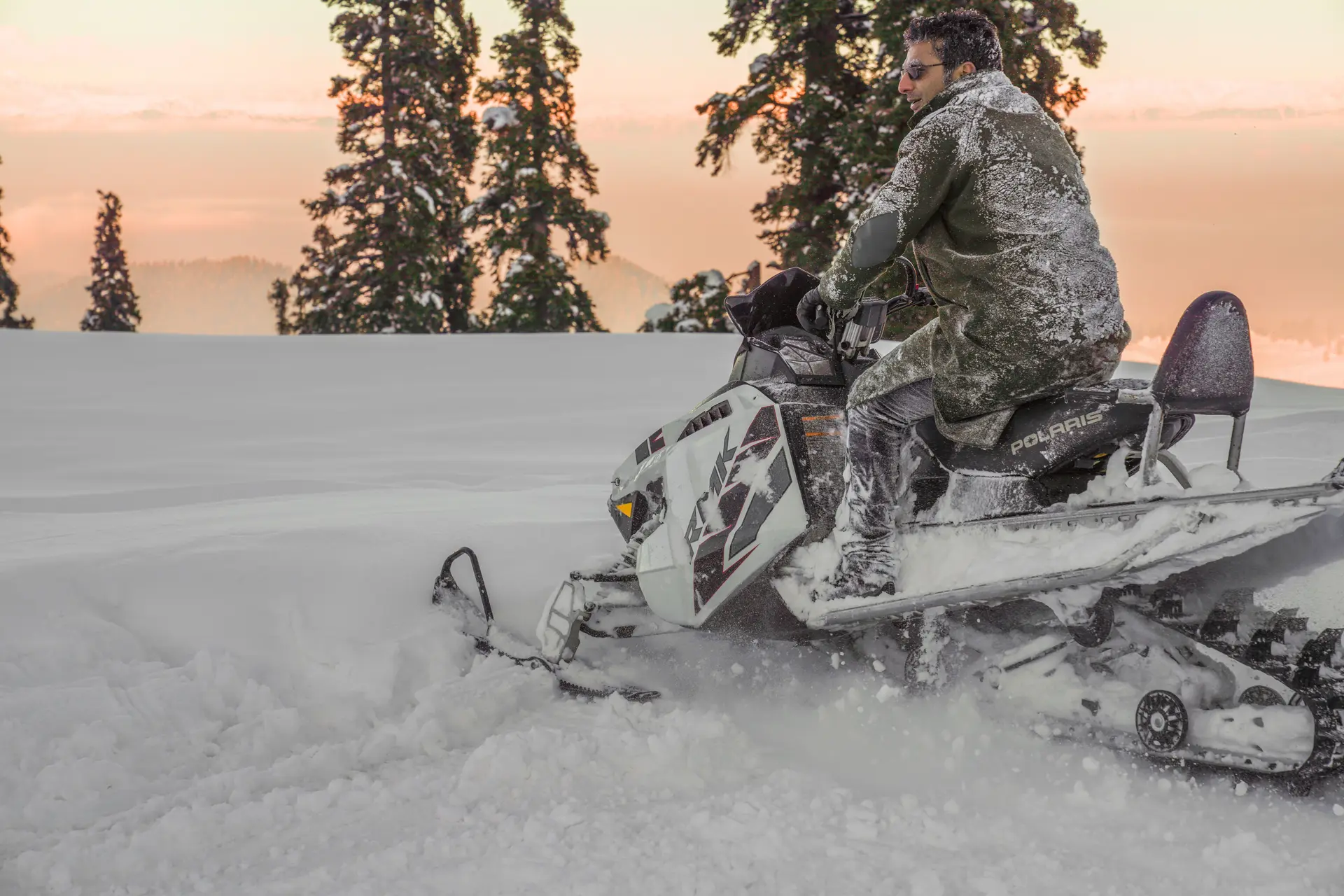
Snow rewrites the valley.
Frozen lakes, pine forests hushed white, kangri embers glowing indoors.
No matter when you arrive, Kashmir has another story waiting.
Explore Kashmir
Honeymoons, one-day loops, hidden valleys, the best Wazwan near Dal Lake — Waza is the intelligence behind everything you just scrolled through.
Lavas is a thin, puffed unleavened flatbread baked in a tandoor, commonly wrapped around barbecue or harissa.
Lavas has deep Central Asian roots. It acts as the primary wrap for street foods (Tujji) and winter Harissa in the valley.
Tourist Tip
Use it to scoop up hot Harissa or wrapped around skewered Tujji kababs.
Lavas is the kandur's thin, soft, pale flatbread — pliable enough to fold around anything, mild enough to carry butter and jam at breakfast or a rack of street-side tujji at night. Unlike girda it is baked on the floor of the tandoor rather than slapped to its wall, which keeps it soft and white rather than blistered and brown.
Waza Tips
Mix the flour, yeast, sugar and salt. Add water gradually and knead 7–8 minutes to a smooth, medium-soft dough — softer than a chapati dough, firmer than a batter-slack naan dough.
Oil the dough lightly, cover, and prove in a warm place about 1 hour, until doubled.
Divide into 8 balls and rest 10 minutes under a cloth so they roll without springing back.
On a floured surface, roll each ball into a thin round or oval, 2–3 mm thick and about 20 cm across. Thinness matters more than shape.
In the tandoor, lavas is laid on the oven floor for under a minute per side until just cooked and still pale. At home: heat a heavy tawa or cast-iron pan over medium-high heat until water beads and skitters on it.
Brush one face of the rolled bread lightly with water and press that wet side down onto the hot tawa — the water glues it to the metal, tandoor-style, so it cooks flat without cushioning air.
Cook 40–60 seconds until the top surface dulls and bubbles rise, then release with a spatula and finish the second side 20–30 seconds — either flipped in the pan or kissed briefly over an open flame. Pull it while still soft and pale, with only faint freckles of colour.
Stack immediately inside a folded cloth so the breads steam each other soft. Repeat with the rest.
The tandoor-floor bake translates better to a stovetop tawa than to a home oven: an oven's ambient dry heat browns and stiffens the bread before it finishes, while a hot cast-iron surface with the water-brushed face stuck to it mimics the gentle conductive bake that keeps lavas soft and white. If you must use an oven, bake on a preheated steel at 230°C for barely 60–90 seconds and pull it before it colours. Expect home lavas to be slightly thicker than the kandur's, whose long paddle and practiced stretch get it thinner than a rolling pin easily will.
At breakfast, spread with butter or jam beside noon chai. Its great second life is on the street: rolled around spiced white peas as masala tsot, or wrapped around charcoal tujji with radish chutney.