SrinagarGood evening.
The Wazwan — Kashmir's royal feast
Wazwan Way · The Royal Feast

The Wazwan.

Thirty-six courses, one copper trami — the feast Kashmir is named for.

Begin the feast
Need help?

Waza is here.

A concierge that has eaten everywhere and slept nowhere — ask it anything about Kashmir.

Wazwan

Marchhwangan Korma

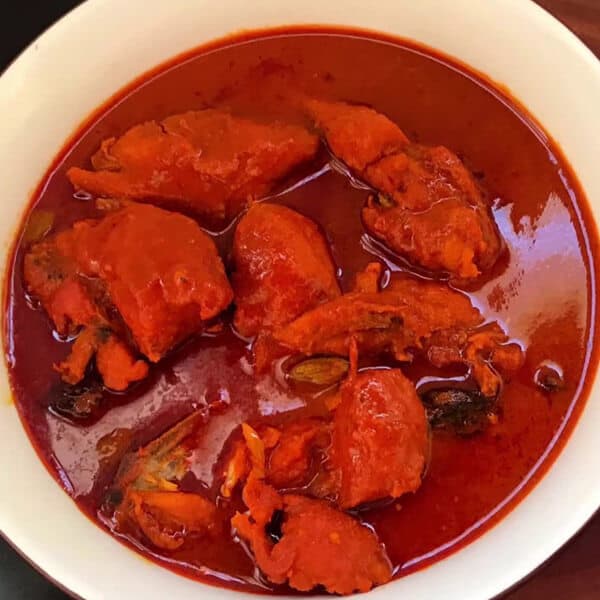
Marchwangan Korma is among the fiercer dishes in the Wazwan family, associated with deep heat, browned onion notes, and a darker, sharper gravy profile.

Non-vegHighINR 420-7604.2 / 5 popularity★ Traditional Wazwan Course

Waza AI Culinary Authority Scores

Authenticity4.1/5
Tourist Friendliness4.4/5
Luxury & Comfort3/5
Marchhwangan Korma
History

Marchhwangan Korma in Kashmiri tradition

Marchwangan Korma is a testament to the Kashmiri love for intense, complex heat, deriving its name directly from 'marchwangan' (Kashmiri for red chilies). Historically, this dish was created for those who favored a fiery, dark, and robust flavor profile, standing in stark contrast to the milder yogurt and milk-based curries. The deep browning of the onions and the liberal use of sharp spices make it one of the boldest preparations in the Wazwan, showcasing the impressive dynamic range of the traditional master chefs.

Tourist Tip

Best for travelers who enjoy assertive spice. If you are sensitive to heat, try Daniwal Korma or Aab Gosh first.

Where To Try It

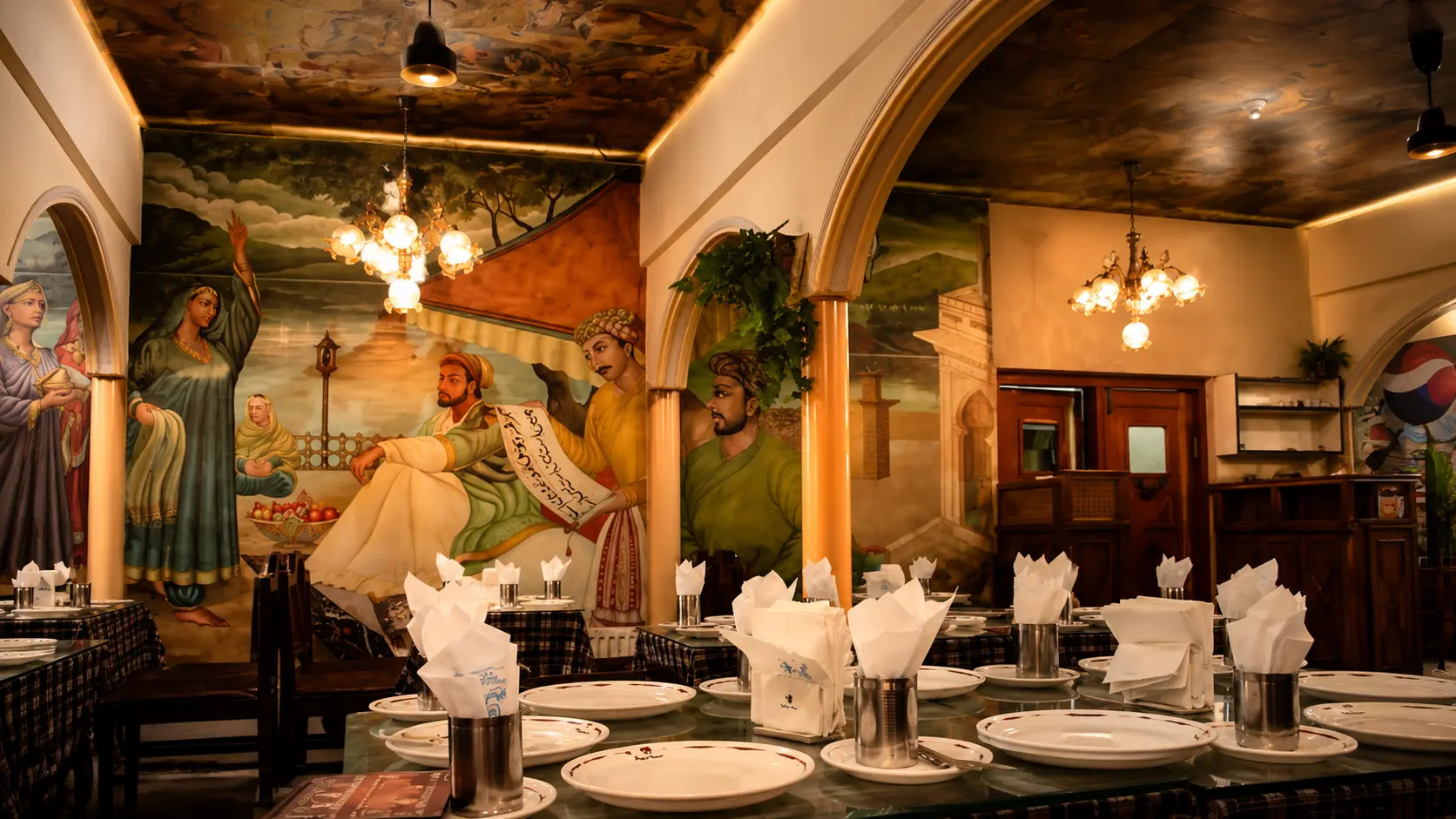
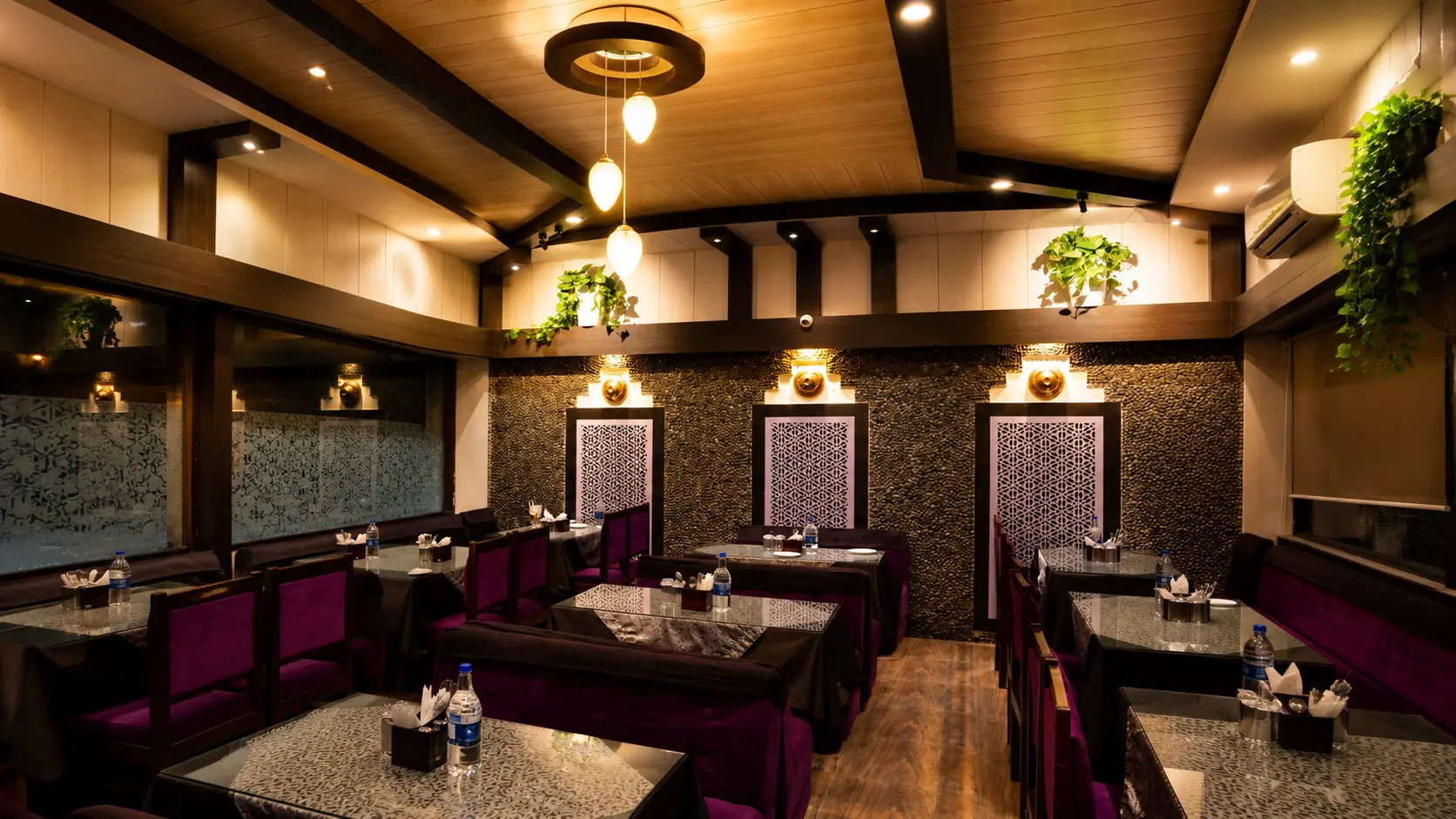
Restaurants serving Marchhwangan Korma

The Recipe

How to make Marchhwangan Korma(Marchwangan Korma)

Marchwangan is simply Kashmiri for red chilli, and this korma makes no apology for it: mutton braised in a slick, dark-red gravy built almost entirely on soaked and ground Kashmiri chillies. It is the hottest dish on the trami — though Kashmiri chillies being what they are, the burn is rounder and fruitier than its colour threatens.

Prep 28 minCook 68 minServes 4–6ModerateKashmiri Muslim
Ingredients
  • ·1 kg mutton on the bone, medium pieces
  • ·12–15 whole dried Kashmiri chillies, seeded, soaked in hot water 30 minutes and ground to a fine paste
  • ·60 ml mustard oil plus 2 tbsp ghee
  • ·4 green cardamom pods, lightly crushed
  • ·2 black cardamom pods
  • ·4 cloves
  • ·1 small stick cinnamon
  • ·2 tbsp praan (shallot) paste, fried and ground — see flags
  • ·1 tsp fennel (saunf) powder
  • ·1 tsp dry ginger powder (sonth)
  • ·2 tbsp tamarind pulp soaked in 100 ml warm water and strained (optional but attested)
  • ·1/2 tsp garam masala
  • ·Salt to taste (about 2 tsp)
  • ·400–500 ml hot water or light mutton stock

Waza Tips

  • Seed the chillies and use plenty of them — the goal is depth of colour and rounded heat, not raw pungency.
  • Fry the chilli paste until it stops smelling raw and the oil stains red; that transformation is the dish.
  • Keep the gravy tight and clinging, closer to a masala coating than a curry — this korma is served almost dry-ish on the trami.
  • A splash of the chilli soaking water, added late, revives the colour if the gravy dulls during reduction.
Method
  1. 1

    Heat the mustard oil with the ghee in a heavy pot until the oil's rawness cooks off. Add both cardamoms, cloves and cinnamon.

  2. 2

    Add the mutton and salt and sear over medium-high heat, turning steadily, until the moisture dries and the meat browns at the edges (10–12 minutes).

  3. 3

    Lower the heat and add the Kashmiri chilli paste. Fry patiently, stirring, until the paste darkens a shade and the oil separates red around it — rushing this stage leaves the gravy raw-tasting.

  4. 4

    Stir in the praan paste, fennel powder and ginger powder, then the hot water or stock and the tamarind water if using.

  5. 5

    Cover and simmer gently until the meat is tender (40–50 minutes), stirring now and then so the thick gravy doesn't catch.

  6. 6

    Uncover and reduce until the gravy is thick, dark red and glossy, with the oil pooling at the edges. Finish with garam masala and serve.

Common Mistakes
  • ×Using hot chilli powder in Kashmiri-chilli quantities, making the dish inedible rather than warmly fierce.
  • ×Not frying the chilli paste long enough, leaving a raw, dusty taste.
  • ×Drowning it in water; the gravy should barely nap the meat.
  • ×Adding tomatoes or yogurt to tame it — the dish's identity is its unbuffered chilli gravy.
At Home

Whole Kashmiri chillies are worth sourcing (byadgi chillies are the closest common substitute); powder alone gives colour but not body. A pressure cooker can take over after the chilli-frying stage — 3 whistles, then reduce open. Shallots stand in for praan, and the tamarind can be replaced by a small squeeze of lemon at the end.

Serving

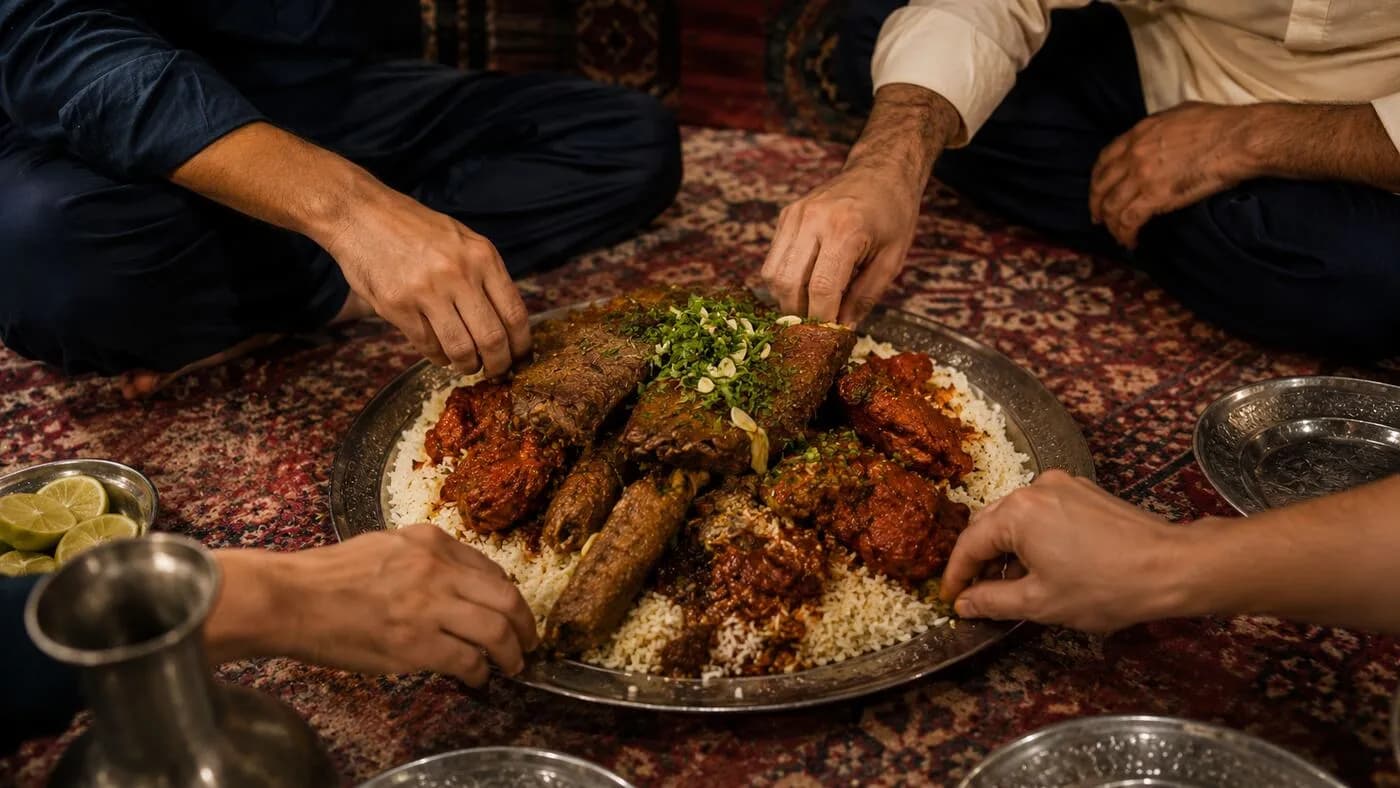
Served in the mid-sequence of the Wazwan as its spiciest course, deliberately placed among milder dishes. At home, pair with plain rice and a cooling yogurt chutney.