SrinagarGood evening.
The Wazwan — Kashmir's royal feast
Wazwan Way · The Royal Feast

The Wazwan.

Thirty-six courses, one copper trami — the feast Kashmir is named for.

Begin the feast
Need help?

Waza is here.

A concierge that has eaten everywhere and slept nowhere — ask it anything about Kashmir.

Street Food

Masala Tsot

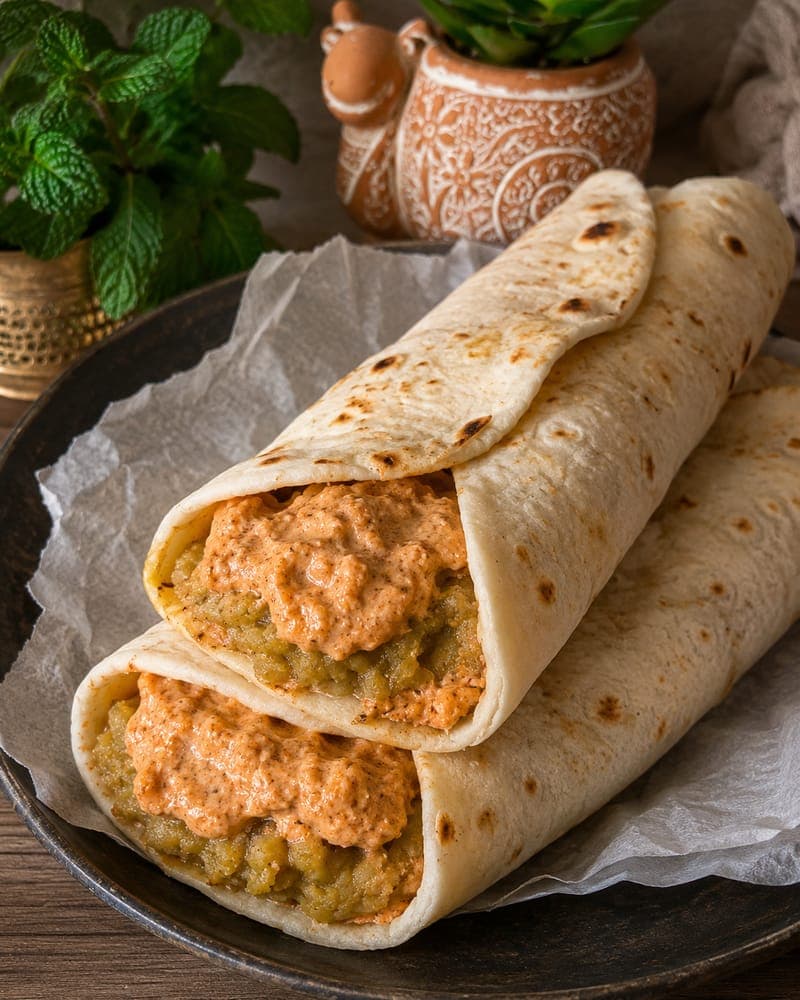
Masala Tsot is a renowned culinary offering from Kashmir. Made with traditional spices and cooking methods, this veg item delivers the deep flavor profile typical of Street Food cuisine. Perfectly seasoned with spices such as fennel, ginger, and saffron, it represents the rich culinary heritage of the valley.

VegHighINR 40-804.4 / 5 popularity❀ Traditional Home-style Recipe

Waza AI Culinary Authority Scores

Authenticity3.8/5
Tourist Friendliness4.4/5
Luxury & Comfort3/5
Masala Tsot
History

Masala Tsot in Kashmiri tradition

The history of Masala Tsot stretches back generations, drawing deep influences from local traditions and Central Asian culinary pathways. Historically prepared by master chefs (Wazas) or passed down through domestic households, it has become a true staple of Kashmiri dining. It symbolizes hospitality and celebration, gracing tables during weddings, festivals, and family gatherings.

Tourist Tip

When ordering Masala Tsot, pair it with warm steamed rice or traditional local bread like Lavas. Ask your hosts about the specific spices used to enhance the flavor.
Where To Try It

Restaurants serving Masala Tsot

The Recipe

How to make Masala Tsot(Masala Tsot / Masale Tsot)

Masala tsot is Kashmir's great vegetarian street wrap: a soft lavas smeared with a fiery radish-and-curd chutney, piled with turmeric-stained mashed white peas, and rolled into a handheld breakfast. Sold from carts and hole-in-the-wall counters across Srinagar, it costs little and delivers the full register of Kashmiri street flavour — earthy, sour, hot.

Prep 25 minCook 38 minServes 4ModerateKashmiri Muslim
Ingredients
  • ·4 fresh lavas flatbreads (see the lavas recipe, or buy from a bakery)
  • ·200 g dried white peas (safed vatana), soaked overnight — some versions use yellow split peas; see flags
  • ·1/2 tsp ground turmeric
  • ·1 tsp salt, divided, or to taste
  • ·4–5 black peppercorns and 2 cloves (tied in muslin or ground)
  • ·700 ml water, for cooking the peas
  • ·100 g mooli (white radish), grated and squeezed dry
  • ·100 g thick plain curd
  • ·2 tbsp finely chopped onion
  • ·1–1.5 tsp Kashmiri red chilli powder (the chutney should be assertively hot)
  • ·1/2 tsp chaat masala
  • ·1 tsp dried mint powder (or 2 tbsp chopped fresh mint)

Waza Tips

  • Squeeze the radish until it feels dry — unsqueezed mooli waters down the chutney within minutes.
  • Cook the peas past 'done' to 'collapsing'; street vendors hold them simmering for hours and the mash is nearly a purée.
  • Chilli in the chutney, restraint in the peas — the mash is mild on purpose so the chutney can shout.
  • Assemble to order. A rolled masala tsot goes soggy in fifteen minutes.
Method
  1. 1

    Drain the soaked peas and cook them with the turmeric, half the salt, peppercorns and cloves in the water — 30–40 minutes at a simmer, or 4–5 whistles in a pressure cooker — until completely soft and collapsing.

  2. 2

    Drain off excess liquid and mash the peas coarsely; the texture should be a thick, spoonable mash that holds on bread, not a soup. Adjust salt.

  3. 3

    Make the chutney: squeeze the grated radish hard to wring out its water, then whisk it with the curd, onion, chilli powder, chaat masala, mint and the remaining salt. It should be pungent and hot — the chutney carries the dish.

  4. 4

    Warm the lavas briefly on a tawa or open flame until soft and pliable.

  5. 5

    Assemble each wrap: spread a generous layer of chutney across the lavas, spoon a thick line of warm pea mash down the middle, and add another streak of chutney on top.

  6. 6

    Roll tightly, wrap the lower half in paper if eating in hand, and serve immediately while the mash is warm and the bread soft.

Common Mistakes
  • ×Firm, intact peas — the dish needs a soft mash, not a chaat of whole legumes.
  • ×A timid chutney; without real chilli heat and pungent radish the wrap tastes of very little.
  • ×Overfilling, which splits the thin lavas — a modest line of mash rolls better than a heap.
  • ×Serving on stale or refrigerated bread; the wrap depends on a warm, flexible lavas.
At Home

Everything here is home-kitchen native except the bread: use the lavas recipe's tawa method, or substitute a thin fresh naan, roomali roti or even Lebanese flatbread warmed soft. A pressure cooker replaces the vendor's long-simmered deg for the peas. Canned white peas or chickpeas, drained, rinsed and simmered 10 minutes with the whole spices, make an honest weeknight shortcut.

Serving

Serve as a standalone street-style breakfast or afternoon snack, with noon chai in winter. It pairs naturally with other Srinagar street food — nader monje on the side, halwa paratha after.