SrinagarGood evening.
The Wazwan — Kashmir's royal feast
Wazwan Way · The Royal Feast

The Wazwan.

Thirty-six courses, one copper trami — the feast Kashmir is named for.

Begin the feast
Need help?

Waza is here.

A concierge that has eaten everywhere and slept nowhere — ask it anything about Kashmir.

Wazwan

Methi Maaz

Methi Maaz is one of the early ceremonial meat dishes served in Wazwan, known for its deep savory character and distinct fenugreek aroma. It brings a more rustic, traditional edge to the feast and is especially appreciated by diners who enjoy strong Kashmiri flavors.

Non-vegHighINR 280-5204.1 / 5 popularity★ Traditional Wazwan Course

Waza AI Culinary Authority Scores

Authenticity5/5
Tourist Friendliness3.5/5
Luxury & Comfort4.5/5
Methi Maaz
History

Methi Maaz in Kashmiri tradition

Methi Maaz serves as one of the most vital introductory courses in a traditional Wazwan, establishing the complex flavor profile of the feast early on. Historically, this dish was developed to utilize every part of the sheep, transforming the tripe and intestines into a delicacy through the masterful use of dried fenugreek leaves (methi) and intense spices. The distinct, earthy bitterness of the fenugreek cuts through the richness of the meat, making it an essential palate-awakening dish that has been passed down through generations of Wazas.

Tourist Tip

This is a more traditional and intense dish than the best-known Wazwan staples, so try it if you want to taste something closer to the deeper ceremonial roots of the feast.
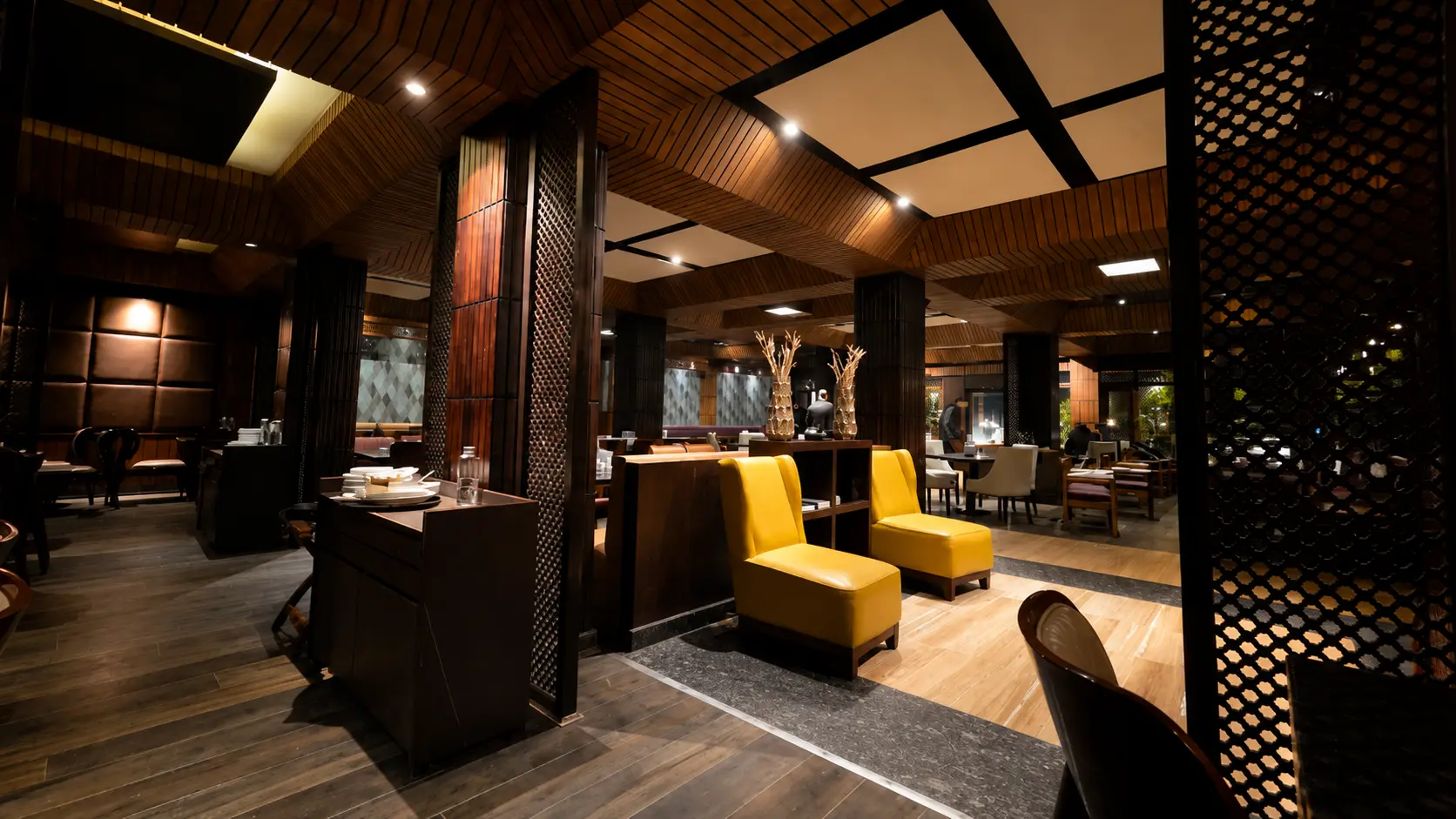
Where To Try It

Restaurants serving Methi Maaz

The Recipe

How to make Methi Maaz(Methi Maaz)

A small, intense dish of finely chopped mutton offal — tripe and intestine in the classic waza version — cooked with fenugreek until the bitterness of the herb and the richness of the meat settle into balance. It is served in modest spoonfuls, and it means more to Kashmiris than its portion size suggests.

Prep 38 minCook 70 minServes 4–6 (small Wazwan-style portions)InvolvedKashmiri Muslim
Ingredients
  • ·500 g lamb/mutton tripe and intestine, thoroughly cleaned (home variant: 500 g boneless mutton with some fat, or coarse keema)
  • ·100 g fresh fenugreek leaves, washed and chopped (or 3 tbsp dried fenugreek / kasuri methi, soaked and squeezed)
  • ·150 g full-fat yogurt, whisked
  • ·4 tbsp mustard oil (or 3 tbsp mustard oil + 1 tbsp ghee)
  • ·1 tsp cumin seeds
  • ·2 cloves
  • ·1 black cardamom pod, crushed
  • ·2 green cardamom pods, crushed
  • ·2 tsp Kashmiri red chilli powder
  • ·1/2 tsp turmeric
  • ·2 tsp fennel powder
  • ·1 tsp dried ginger powder (sonth)
  • ·1 tsp ginger-garlic paste
  • ·1/2 tsp garam masala
  • ·Salt to taste, about 1.5 tsp

Waza Tips

  • The chop matters more than the spice: everything should be reduced to the same fine, even texture so no single piece announces itself.
  • Fenugreek should read as a pleasant bitterness, not a punishment — if using fresh methi from mature plants, blanch it once and squeeze before adding.
  • This is a semi-dry dish; if it looks like a curry, keep cooking.
  • A final spoon of smoking-hot mustard oil folded in just before serving is the old-shop finish, borrowed from the harissa stalls.
Method
  1. 1

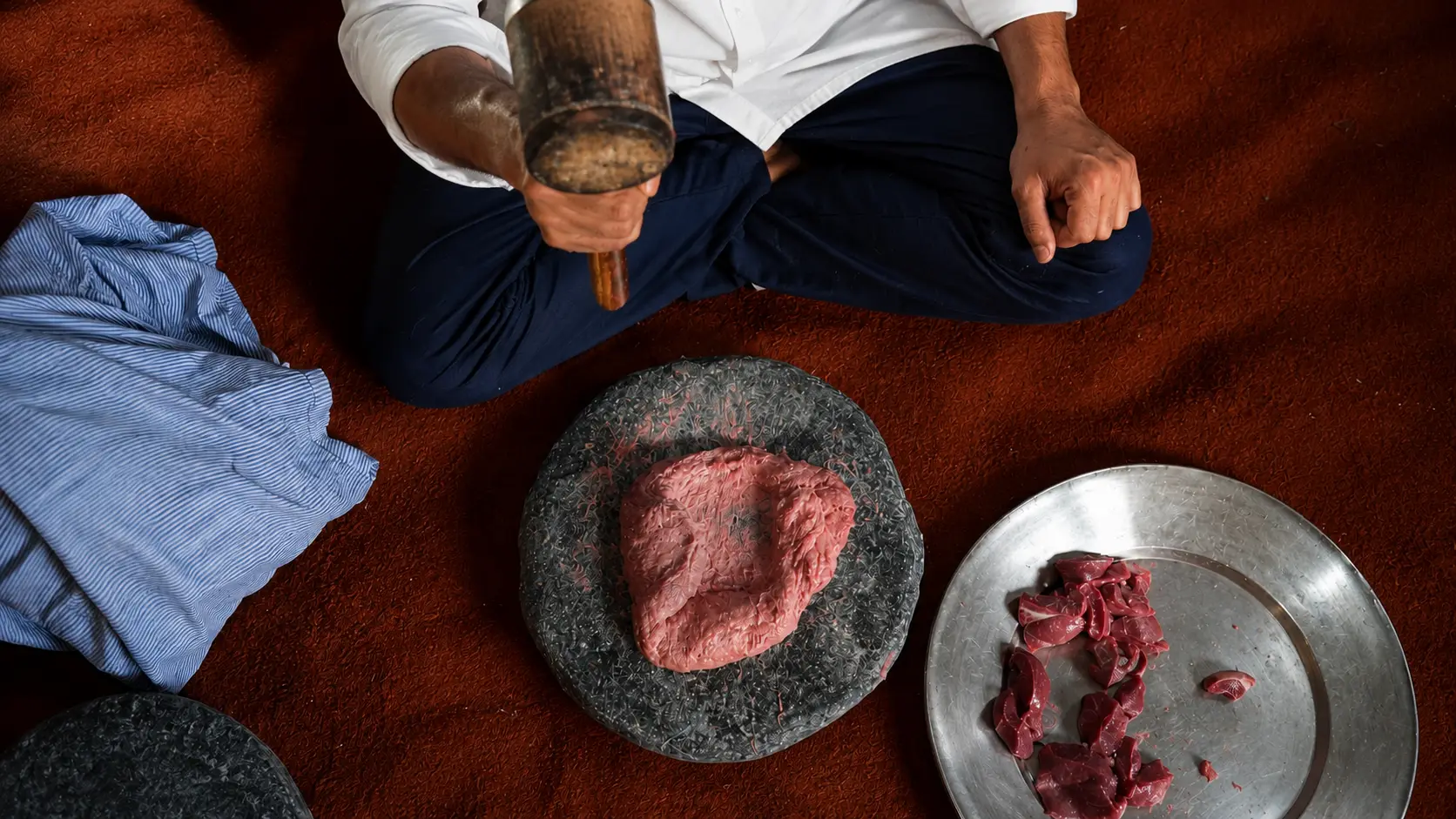
    If using offal: wash the tripe and intestines in several changes of water with salt, scrubbing well, until the water runs clear and no odour remains. Boil in fresh salted water with a pinch of turmeric for 45–60 minutes, until fully tender. Drain, cool, and chop very fine with a heavy knife — the waza does this on a wooden block, reducing everything to an even, small dice.

  2. 2

    If using boneless mutton instead: boil 500 g of cubed mutton in salted water until tender (about 40 minutes), then chop fine the same way; keema can be used as-is after browning.

  3. 3

    Whisk the yogurt with the chilli powder, turmeric, fennel powder, sonth and ginger-garlic paste. Toss the chopped meat in this mixture and let it sit for 15–20 minutes.

  4. 4

    Heat the mustard oil in a heavy pan until its rawness cooks off. Crackle the cumin, cloves and black cardamom in it.

  5. 5

    Add the marinated meat with all its coating and fry over medium heat, stirring, until the yogurt's moisture cooks off and the masala darkens and clings, with oil starting to separate (roughly 10–12 minutes).

  6. 6

    Add the chopped fenugreek and a small splash of water. Cook uncovered on low, stirring often, until the leaves collapse into the meat and the whole mass turns glossy and semi-dry (about 10–15 minutes). Dried methi needs a little longer with an extra splash of water.

  7. 7

    Finish with the crushed green cardamom and garam masala, check the salt, and serve hot in small portions.

Common Mistakes
  • ×Under-cleaning the offal — no spice blend can rescue it.
  • ×Chopping coarsely, which leaves the dish rubbery instead of tender-dense.
  • ×Drowning it in gravy; methi maaz is eaten in small, concentrated spoonfuls.
  • ×Adding raw fenugreek too early and boiling it, which fixes the bitterness instead of mellowing it.
At Home

Most home cooks outside Kashmir will make this with boneless mutton or good coarse keema, and that version is genuinely worth cooking — just don't call it the waza original. Cleaned, pre-boiled tripe from a halal butcher removes the most laborious step. Kasuri methi from any Indian grocer substitutes for fresh fenugreek at roughly one-third the volume, soaked briefly first.

Serving

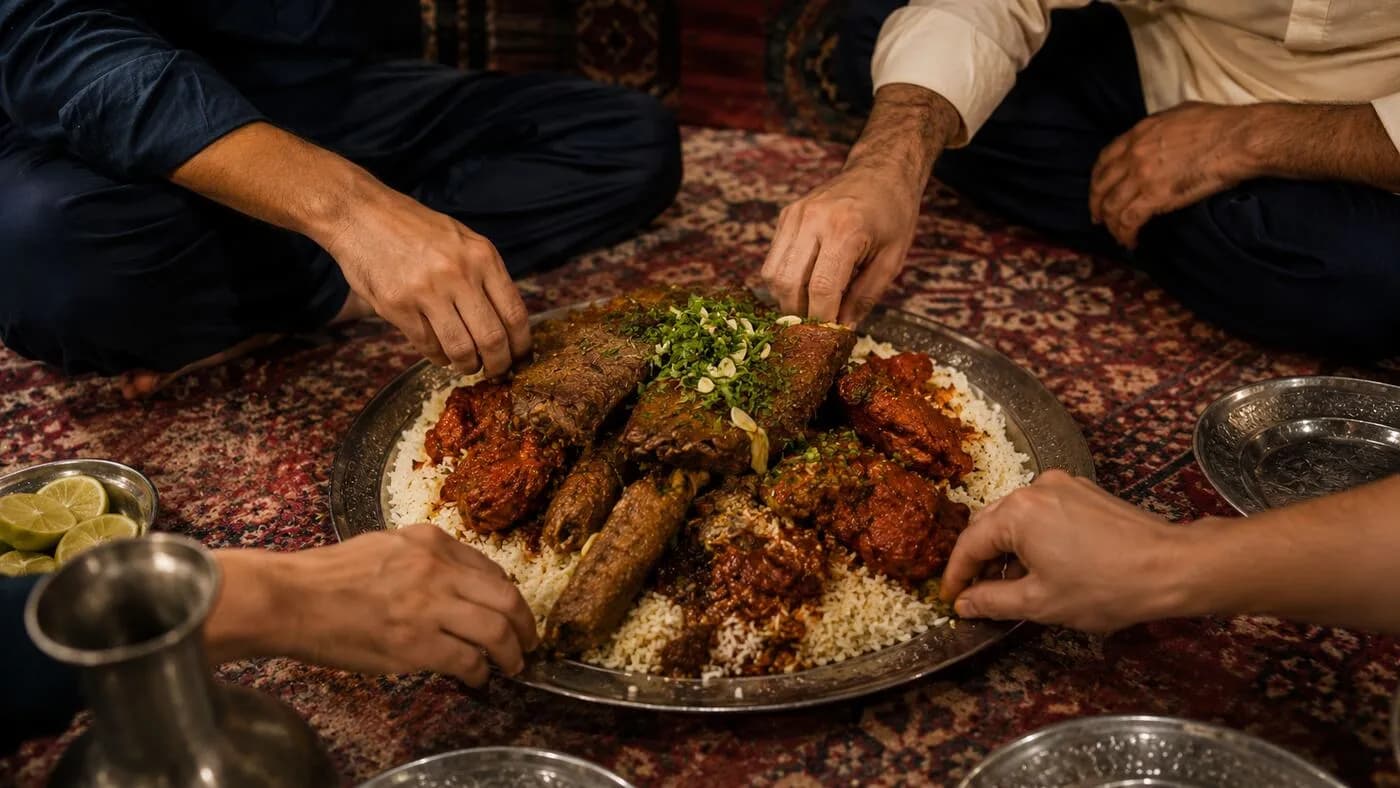
On the Wazwan trami it is served early and sparingly, alongside kebab and tabak maaz over rice. In winter Srinagar it famously rides on top of a plate of harissa. At home, treat it as a strong side to rice and a mild gravy dish.