SrinagarGood evening.
The Wazwan — Kashmir's royal feast
Wazwan Way · The Royal Feast

The Wazwan.

Thirty-six courses, one copper trami — the feast Kashmir is named for.

Begin the feast
Need help?

Waza is here.

A concierge that has eaten everywhere and slept nowhere — ask it anything about Kashmir.

Street Food

Tujji

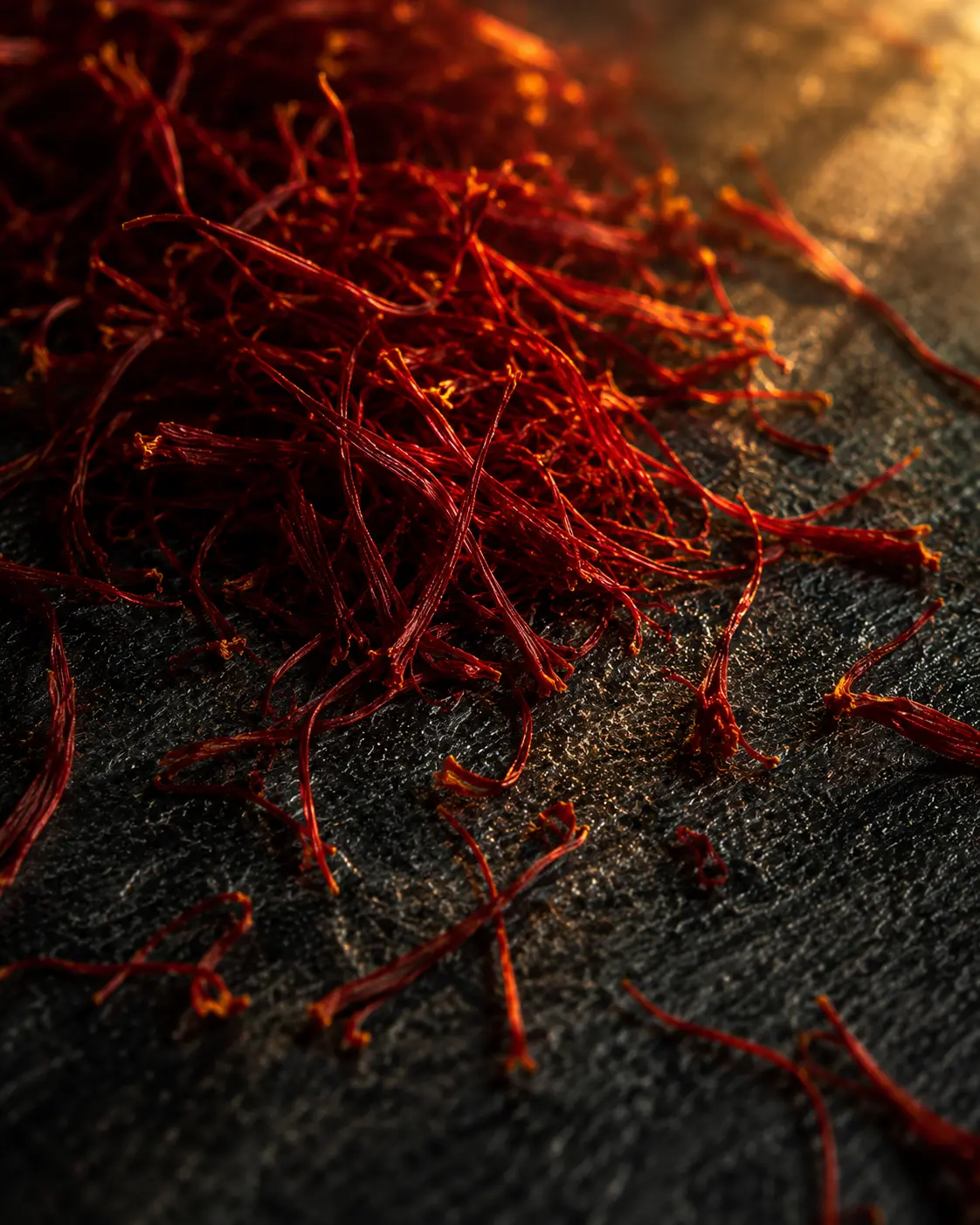
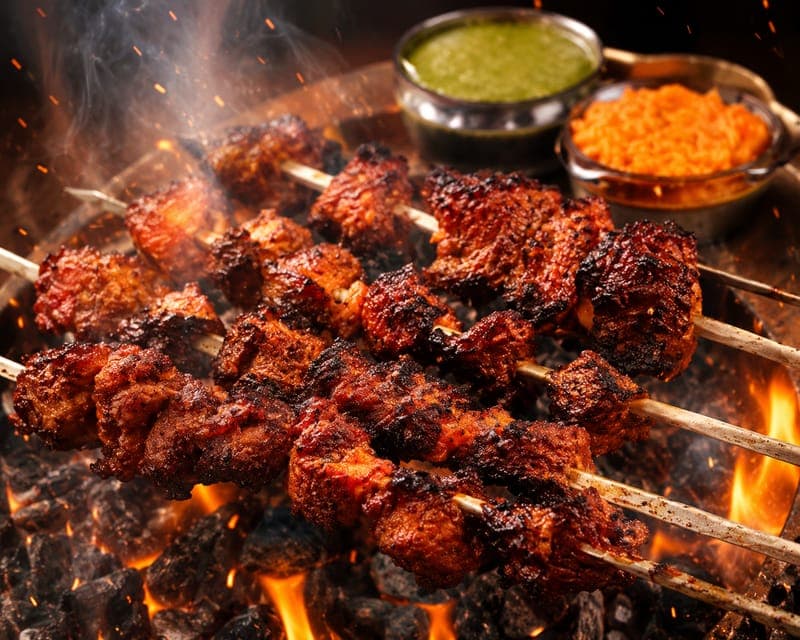
Mutton Tujji is a renowned culinary offering from Kashmir. Made with traditional spices and cooking methods, this non-veg item delivers the deep flavor profile typical of Street Food cuisine. Perfectly seasoned with spices such as fennel, ginger, and saffron, it represents the rich culinary heritage of the valley.

Non-vegMediumINR 180-3603.8 / 5 popularity❀ Traditional Home-style Recipe

Waza AI Culinary Authority Scores

Authenticity4.7/5
Tourist Friendliness5/5
Luxury & Comfort4/5
Tujji
History

Tujji in Kashmiri tradition

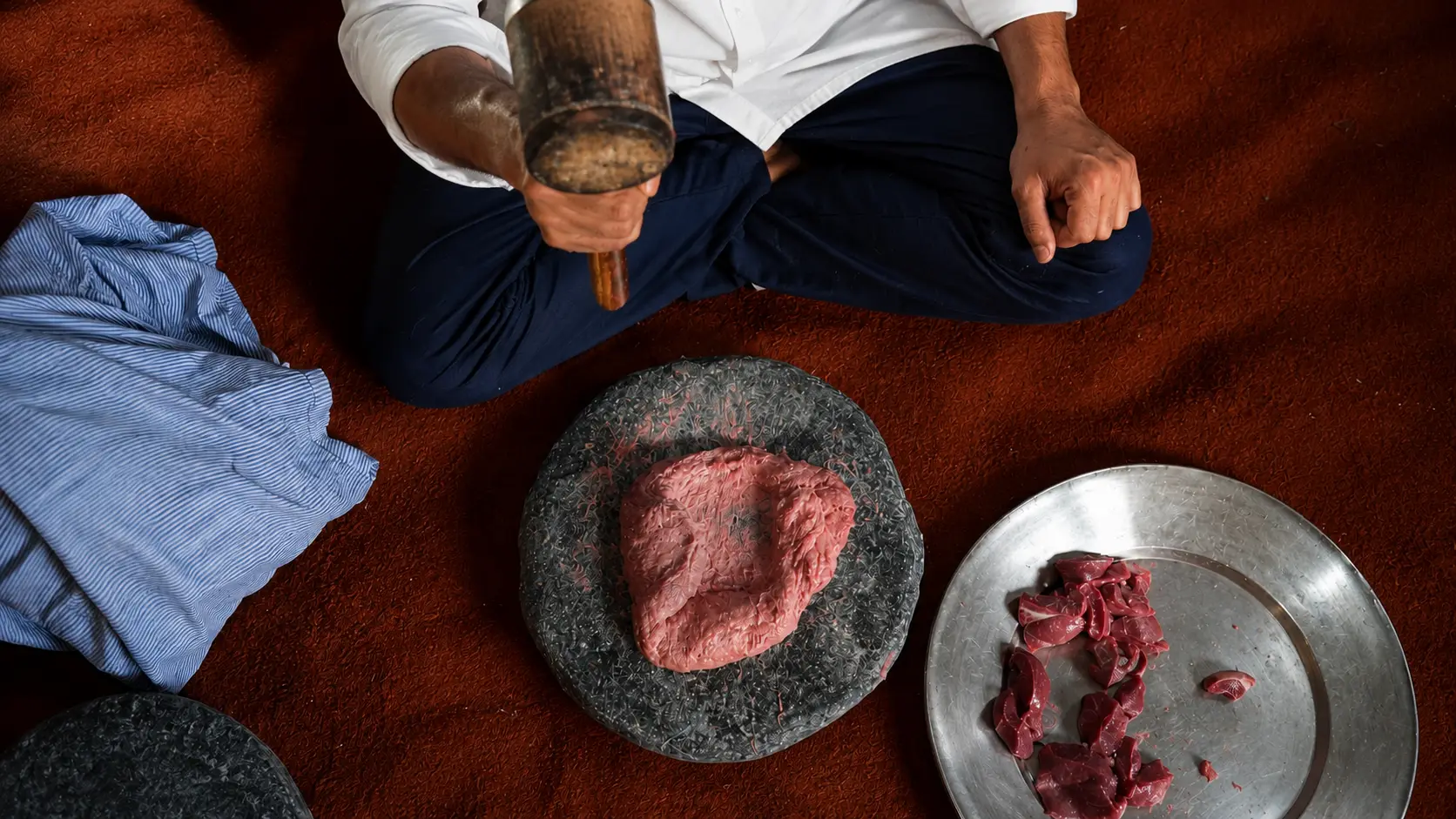
The history of Mutton Tujji stretches back generations, drawing deep influences from local traditions and Central Asian culinary pathways. Historically prepared by master chefs (Wazas) or passed down through domestic households, it has become a true staple of Kashmiri dining. It symbolizes hospitality and celebration, gracing tables during weddings, festivals, and family gatherings.

Tourist Tip

When ordering Mutton Tujji, pair it with warm steamed rice or traditional local bread like Lavas. Ask your hosts about the specific spices used to enhance the flavor.
Where To Try It

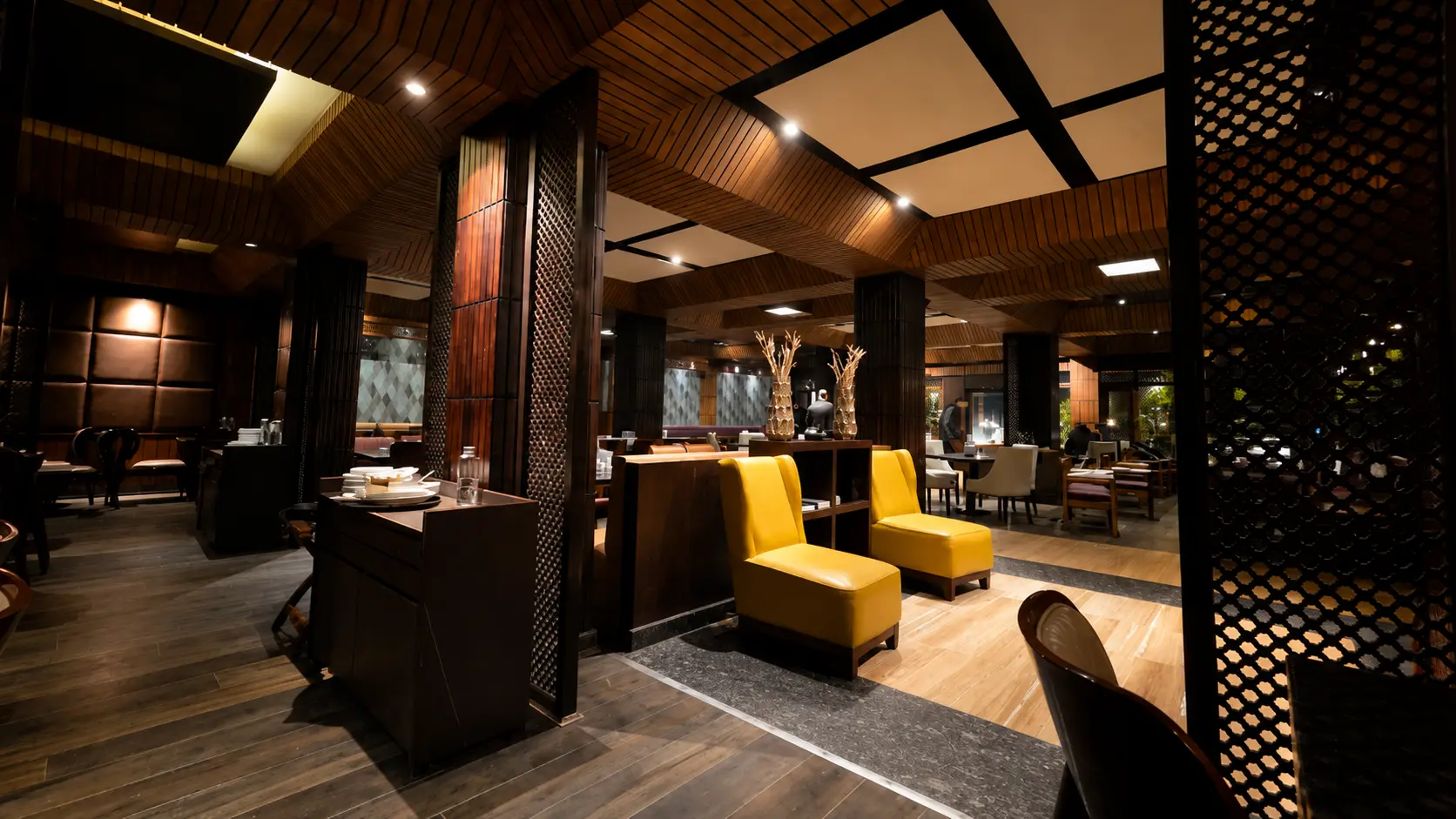
Restaurants serving Tujji

The Recipe

How to make Tujji(Tujji / Seekh Tujj)

Tujji — the Kashmiri word for a skewer — is Srinagar's definitive street barbecue: small flattened pieces of mutton in a deep-red fennel-and-chilli marinade, threaded tight and grilled over glowing charcoal, then bundled into a soft lavas with radish chutney. On winter evenings, Khayam Chowk becomes a corridor of smoke and embers devoted to almost nothing else.

Prep 35 minCook 20 minServes 4 (about 8 skewers)ModerateKashmiri Muslim
Ingredients
  • ·750 g boneless mutton (leg or shoulder), cut into small pieces about 3 cm across and lightly flattened
  • ·150 g thick plain curd, whisked (some Khayam stalls marinate without curd — see flags)
  • ·2 tbsp mustard oil
  • ·1.5 tbsp ginger-garlic paste
  • ·1 tbsp Kashmiri red chilli powder (deep colour, moderate heat)
  • ·2 tsp fennel powder (saunf — the signature Kashmiri note)
  • ·1 tsp ground black pepper
  • ·1/2 tsp garam masala (or a pinch each of ground cinnamon, cardamom, clove and nutmeg)
  • ·1 tsp salt, or to taste
  • ·1 tsp lemon juice
  • ·1 tbsp raw papaya paste (optional tenderiser for tougher cuts)
  • ·Ghee or mustard oil, for basting
  • ·8 thin skewers — traditionally stripped willow twigs, soaked 30 minutes; metal seekhs work

Waza Tips

  • Embers, not flames — the grey-ashed coal stage is when the grilling starts; flames blacken the marinade before the meat cooks.
  • Fennel powder is what makes it taste of Kashmir rather than of a generic seekh; do not substitute it away.
  • Thread the pieces tight against each other; gaps let the edges dry out over the coals.
  • Small, flattened pieces are the Khayam signature — big cubes stay raw inside at street-grill pace.
Method
  1. 1

    Whisk the curd with the mustard oil, ginger-garlic paste, chilli powder, fennel, pepper, garam masala, salt, lemon juice and papaya paste (if using) into a thick, brick-red marinade.

  2. 2

    Massage the marinade into the flattened mutton pieces. Cover and refrigerate at least 4 hours, ideally overnight — street tujji gets its depth from a long marinade, and short-marinated meat tastes of surface spice only.

  3. 3

    Light charcoal and let it burn down to glowing embers coated in grey ash — tujji is grilled over embers, never over flame.

  4. 4

    Thread the meat snugly onto the skewers, pieces touching, so the meat stays juicy and the skewer looks like one ribbon of meat.

  5. 5

    Grill close over the embers, turning every 2–3 minutes and fanning the coals, until the meat is browned at the edges with charred flecks and cooked through — roughly 15–20 minutes depending on the fire. Baste once or twice with ghee or mustard oil as it grills.

  6. 6

    Rest the skewers 2–3 minutes off the heat.

  7. 7

    Serve street-style: lay a warm lavas on the plate, strip the meat from the skewers onto it, add a spoonful of radish-curd chutney and a squeeze of lemon, and roll.

Common Mistakes
  • ×Grilling over live flame, which chars the chilli to bitterness while the centre stays raw.
  • ×A one-hour marinade — the colour will be there but the flavour will not.
  • ×Using large cubes seekh-kebab style instead of small flattened pieces, changing the cook time and texture entirely.
  • ×Skipping the resting bread-and-chutney service; dry tujji on a plate misses half the dish.
At Home

Without a charcoal sigri, the best home translation is a heavy grill pan or cast-iron skillet ripping hot, with the skewered meat seared and turned exactly as over coals, finished with a 30-second smoke: place a piece of lit charcoal in a small steel bowl among the cooked skewers, spoon ghee over it, and cover for a minute (the dhungar method). An oven broiler at maximum with skewers on the top rack, turned twice, also works — expect less char and smoke than Khayam Chowk delivers. Chicken can substitute for mutton with the marinade unchanged and 10–12 minutes of cooking.

Serving

Serve rolled in warm lavas with radish-and-curd chutney (mujj chetin) and green chutney — the Khayam Chowk street format. As a starter, pile the skewers over sliced onion with lemon wedges and the same chutneys.