SrinagarGood evening.
The Wazwan — Kashmir's royal feast
Wazwan Way · The Royal Feast

The Wazwan.

Thirty-six courses, one copper trami — the feast Kashmir is named for.

Begin the feast
Need help?

Waza is here.

A concierge that has eaten everywhere and slept nowhere — ask it anything about Kashmir.

Kashmiri Cuisine

Nadru Yakhni

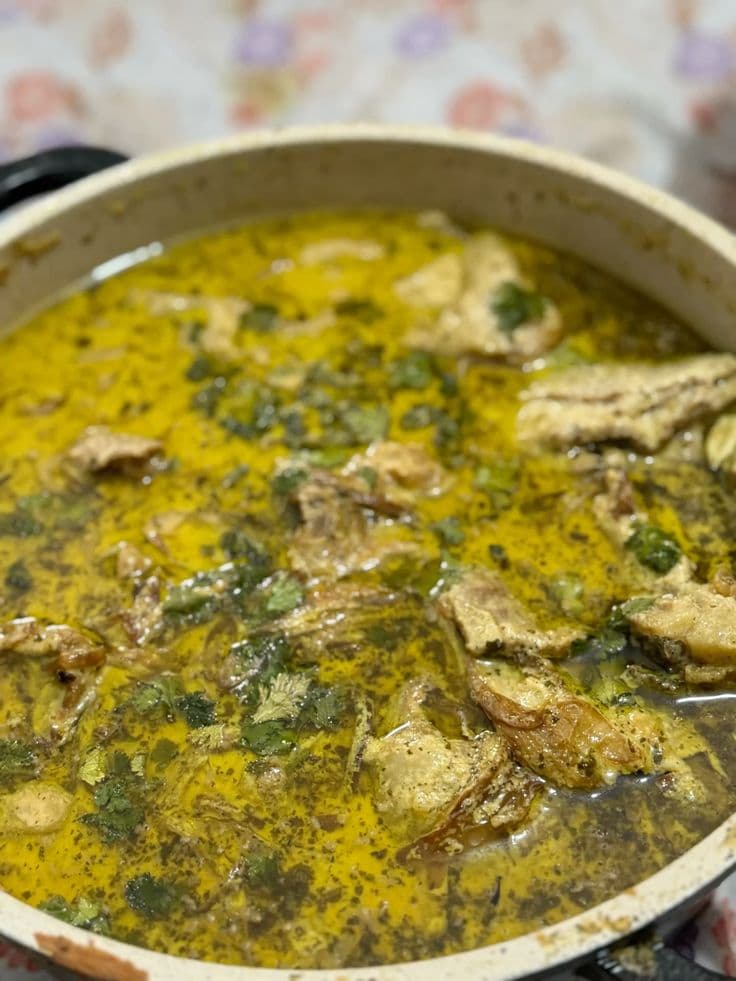
Nadru Yakhni is a comforting vegetarian Kashmiri dish built on lotus stem slices, yogurt, fennel, and warming spices that create a balanced, aromatic gravy.

VegMildINR 220-4804.4 / 5 popularity❀ Traditional Home-style Recipe

Waza AI Culinary Authority Scores

Authenticity4.1/5
Tourist Friendliness4.7/5
Luxury & Comfort3.5/5
Nadru Yakhni
History

Nadru Yakhni in Kashmiri tradition

The lotus stem, or Nadru, has been an integral part of the Kashmiri diet for centuries, deeply intertwined with the region's abundant lakes. Nadru Yakhni represents a harmonious blend of local agriculture and traditional cooking techniques. The yogurt-based Yakhni gravy itself has ancient origins in the valley, originally used to preserve and flavor meats and vegetables during harsh winters. Over generations, this comforting, fennel-scented vegetarian dish has become a beloved staple in both Kashmiri Pandit and Muslim households, celebrating the unique aquatic bounty of the valley.

Tourist Tip

A great pick for vegetarians seeking something authentically local rather than generic North Indian options.

Where To Try It

Restaurants serving Nadru Yakhni

The Recipe

How to make Nadru Yakhni(Nadru Yakhni)

Crisp-tender rounds of lotus stem simmered in a churned yogurt gravy scented with fennel and dried ginger. Nadru Yakhni takes the vegetable Kashmir loves most — pulled from the Dal and Anchar lakes — and treats it with the same white-gravy reverence usually reserved for mutton.

Prep 20 minCook 45 minServes 4EasyShared (variants noted)
Ingredients
  • ·500 g lotus stem (nadru), about 2–3 stems
  • ·400 g full-fat yogurt, whisked smooth
  • ·3 tbsp mustard oil
  • ·1 tsp cumin seeds
  • ·3 cloves
  • ·3 green cardamom pods, lightly crushed
  • ·1 black cardamom pod
  • ·1 small piece cinnamon (about 2 cm)
  • ·2 tsp fennel powder
  • ·1 tsp dried ginger powder (sonth)
  • ·1 generous pinch asafoetida (hing)
  • ·Salt to taste, about 1.5 tsp
  • ·1/2 tsp crushed dried mint leaves (optional, to finish)

Waza Tips

  • Buy lotus stems that feel heavy and snap cleanly; limp, dark stems turn fibrous when cooked.
  • The nadru should finish cooking in the yogurt gravy, not before it — pull the boil slightly early so the last 10 minutes of simmering marry the two.
  • Full-fat, just-set yogurt gives the gravy body; sour or watery curd makes a thin, aggressive yakhni.
  • Keep the flame low once the yogurt is in. This dish is coaxed, never boiled hard.
Method
  1. 1

    Scrape the lotus stems well, trim the ends and slice diagonally into rounds about 1 cm thick. Wash thoroughly in several changes of water, working your fingers into the hollow channels — mud hides there, and one gritty piece ruins the pot.

  2. 2

    Boil the sliced nadru in about 750 ml of lightly salted water for 15–20 minutes, until tender but still holding a slight bite at the centre. Do not cook it to mush. Reserve the cooking water.

  3. 3

    Whisk the yogurt with the fennel powder and dried ginger powder until completely smooth, then thin it with a ladle or two of the warm nadru cooking water.

  4. 4

    Heat the mustard oil in a heavy pan until its rawness cooks off, then take it briefly off the heat and add the cumin, cloves, cinnamon, both cardamoms and the asafoetida. Let them crackle gently for a few seconds.

  5. 5

    Pour in the yogurt mixture and return the pan to medium heat, stirring continuously in one direction until it comes to a boil and no longer threatens to split.

  6. 6

    Add the boiled nadru along with enough of the reserved cooking water to make a pourable gravy. Season with salt and simmer gently, uncovered, for 10–15 minutes, until the gravy thickens slightly and a thin sheen of oil shows at the edge.

  7. 7

    Crush the dried mint between your palms over the pot, if using, stir once and serve hot.

Common Mistakes
  • ×Under-washing the stems and serving grit in the gravy — the most common and least forgivable error.
  • ×Overboiling the nadru until it collapses; it should keep a gentle crunch.
  • ×Adding the yogurt to a screaming-hot pan without stirring, causing it to curdle instantly.
  • ×Reaching for turmeric out of habit — the gravy must stay white.
At Home

Frozen or vacuum-packed lotus stem from Indian and East Asian grocers works well — rinse thoroughly and reduce the first boil to around 10 minutes. A pressure cooker (one whistle) can replace the initial boil. If fresh nadru is unavailable entirely, the same gravy takes well to raw banana or arbi, though the dish then loses its name.

Serving

Serve with plain steamed rice, ideally alongside a dry vegetable or a chutney for contrast. In Pandit festive meals it often sits beside Dum Aloo and Chaman.