SrinagarGood evening.
The Wazwan — Kashmir's royal feast
Wazwan Way · The Royal Feast

The Wazwan.

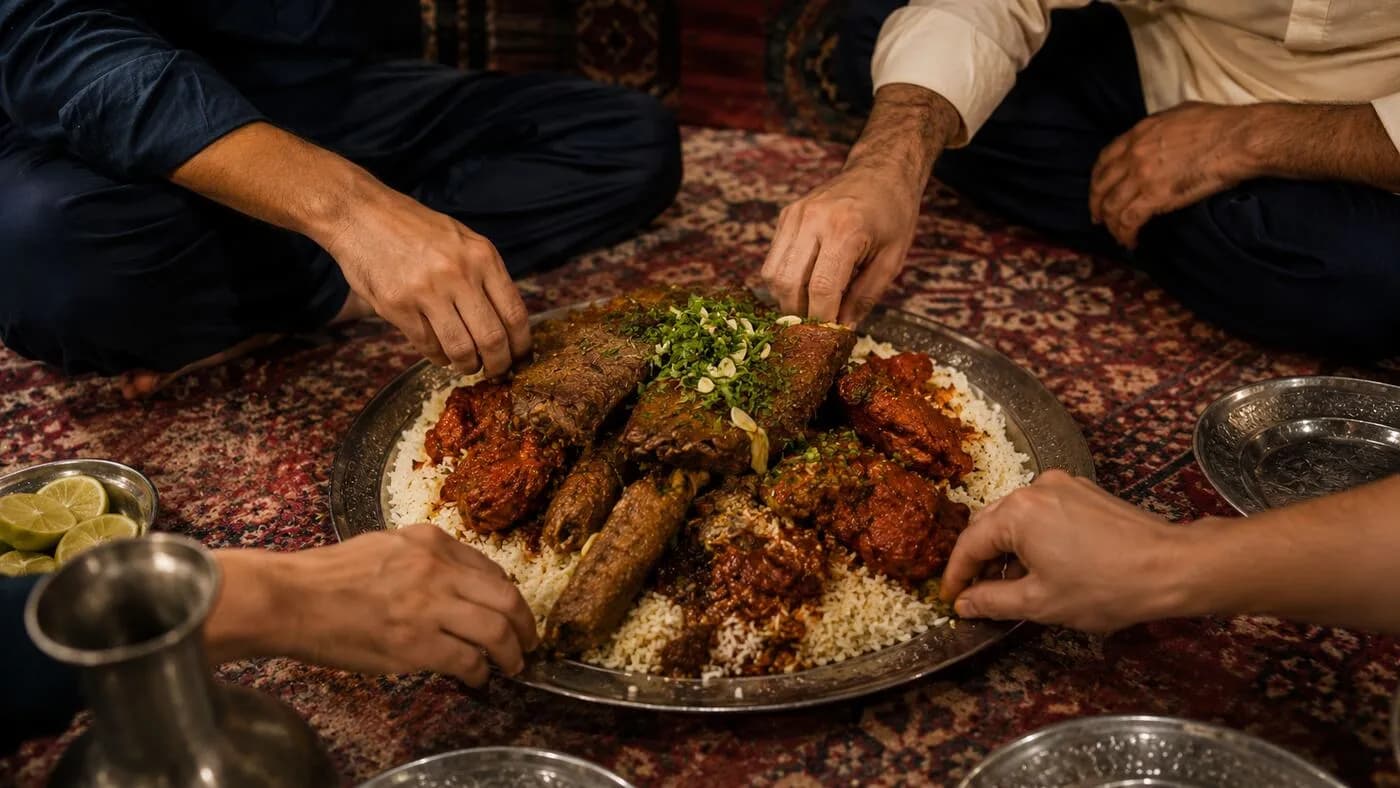
Thirty-six courses, one copper trami — the feast Kashmir is named for.

Begin the feast
Need help?

Waza is here.

A concierge that has eaten everywhere and slept nowhere — ask it anything about Kashmir.

Street Food

Nadur Monji

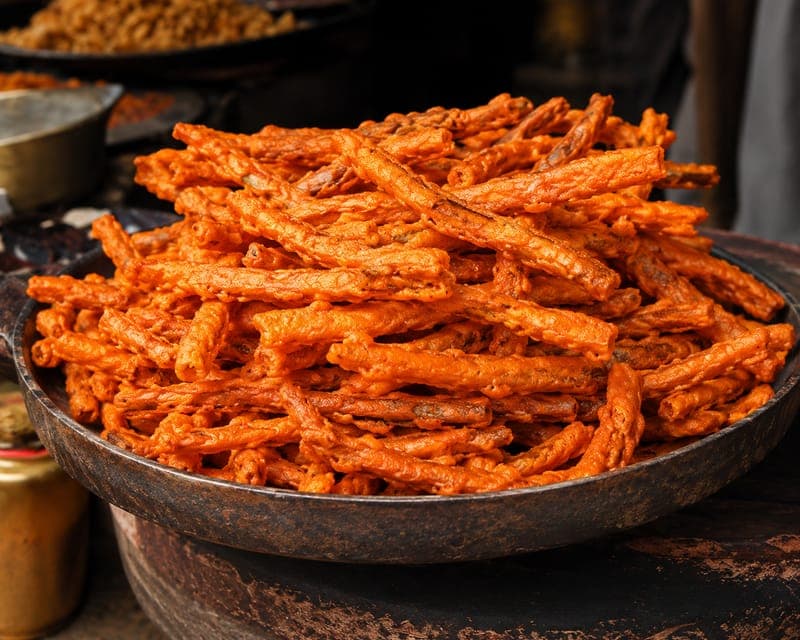
Nadru Monji is a renowned culinary offering from Kashmir. Made with traditional spices and cooking methods, this veg item delivers the deep flavor profile typical of Street Food cuisine. Perfectly seasoned with spices such as fennel, ginger, and saffron, it represents the rich culinary heritage of the valley.

VegMediumINR 80-1603.8 / 5 popularity❀ Traditional Home-style Recipe

Waza AI Culinary Authority Scores

Authenticity4.7/5
Tourist Friendliness5/5
Luxury & Comfort4/5
Nadur Monji
History

Nadur Monji in Kashmiri tradition

The history of Nadru Monji stretches back generations, drawing deep influences from local traditions and Central Asian culinary pathways. Historically prepared by master chefs (Wazas) or passed down through domestic households, it has become a true staple of Kashmiri dining. It symbolizes hospitality and celebration, gracing tables during weddings, festivals, and family gatherings.

Tourist Tip

When ordering Nadru Monji, pair it with warm steamed rice or traditional local bread like Lavas. Ask your hosts about the specific spices used to enhance the flavor.

Where To Try It

Restaurants serving Nadur Monji

The Recipe

How to make Nadur Monji(Nadur Monje)

Batons of lotus stem in a thin, chilli-flecked rice-flour crust, deep-fried until shatteringly crisp outside and juicy-crunchy within. Nadru Monje is Kashmir's best-loved street snack — the thing you eat hot from a paper cone on a cold afternoon.

Prep 20 minCook 23 minServes 4 as a snackEasyShared (variants noted)
Ingredients
  • ·400 g lotus stem (nadru), scrubbed, peeled and cut into finger-length batons or thick diagonal slices
  • ·100 g rice flour
  • ·2 tbsp gram flour (besan) — optional, helps the crust cling
  • ·2 tsp Kashmiri red chilli powder
  • ·1/2 tsp carom seeds (ajwain) or cumin seeds
  • ·1/4 tsp asafoetida (hing) — optional
  • ·1 tsp salt, or to taste
  • ·About 100-120 ml water, added little by little
  • ·Oil for deep-frying (mustard oil is traditional)

Waza Tips

  • Rice flour, not besan, is what gives street-style monje their glassy crunch — besan is only a binder here, if used at all.
  • Keep the coating thin; a thick batter turns the fritters into pakoras and hides the lotus stem's texture.
  • Fry at a steady medium heat — too hot and the crust browns before the stem loses its rawness.
  • Serve within minutes. Monje are street food precisely because they don't wait.
Method
  1. 1

    Clean the lotus stems fastidiously: scrape the skin, slice open lengthwise if thick, and wash under running water, working a finger or brush through the channels — mud hides inside them. Drain well.

  2. 2

    In a bowl, toss the drained nadru with the rice flour, besan (if using), chilli powder, carom seeds, asafoetida and salt so every piece is dusted.

  3. 3

    Sprinkle in the water a little at a time, turning with your hands, until the flour just clings to the wet pieces as a thin, rough coating — a shaggy coat, not a pourable batter.

  4. 4

    Heat the oil in a kadhai to medium-hot (a test piece should rise steadily with a lively sizzle). If using mustard oil, let it smoke once first, then settle back to frying temperature.

  5. 5

    Fry the coated pieces in batches, without crowding, turning occasionally, until deep golden and audibly crisp — roughly 6-8 minutes per batch. The stem inside should stay slightly crunchy; that contrast is the point.

  6. 6

    Drain on paper and serve immediately, scattered with a pinch of chilli powder or chaat masala if you like.

Common Mistakes
  • ×Half-hearted washing, which leaves grit in the stem's channels — the one unforgivable failure.
  • ×Making a thick, wet batter instead of a thin clinging coat.
  • ×Slicing the stem paper-thin so it turns leathery, or so thick it stays raw at the core.
  • ×Letting fried monje sit and steam themselves soft before serving.
At Home

Vacuum-packed or frozen lotus stem from Asian groceries works — thaw, rinse and dry well before coating. If you find cleaning whole stems tedious, buy pre-sliced rings. Any neutral oil substitutes for mustard oil at a small cost in flavour. An air-fryer version (brushed with oil, 200°C) crisps acceptably but never quite matches the deep-fried original.

Serving

Eat hot as a snack with walnut (doon) chutney, onion chutney or a plain green-chilli chutney, ideally with noon chai or kahwa. They also work as a crisp opener before a Kashmiri dinner.