SrinagarGood evening.
The Wazwan — Kashmir's royal feast
Wazwan Way · The Royal Feast

The Wazwan.

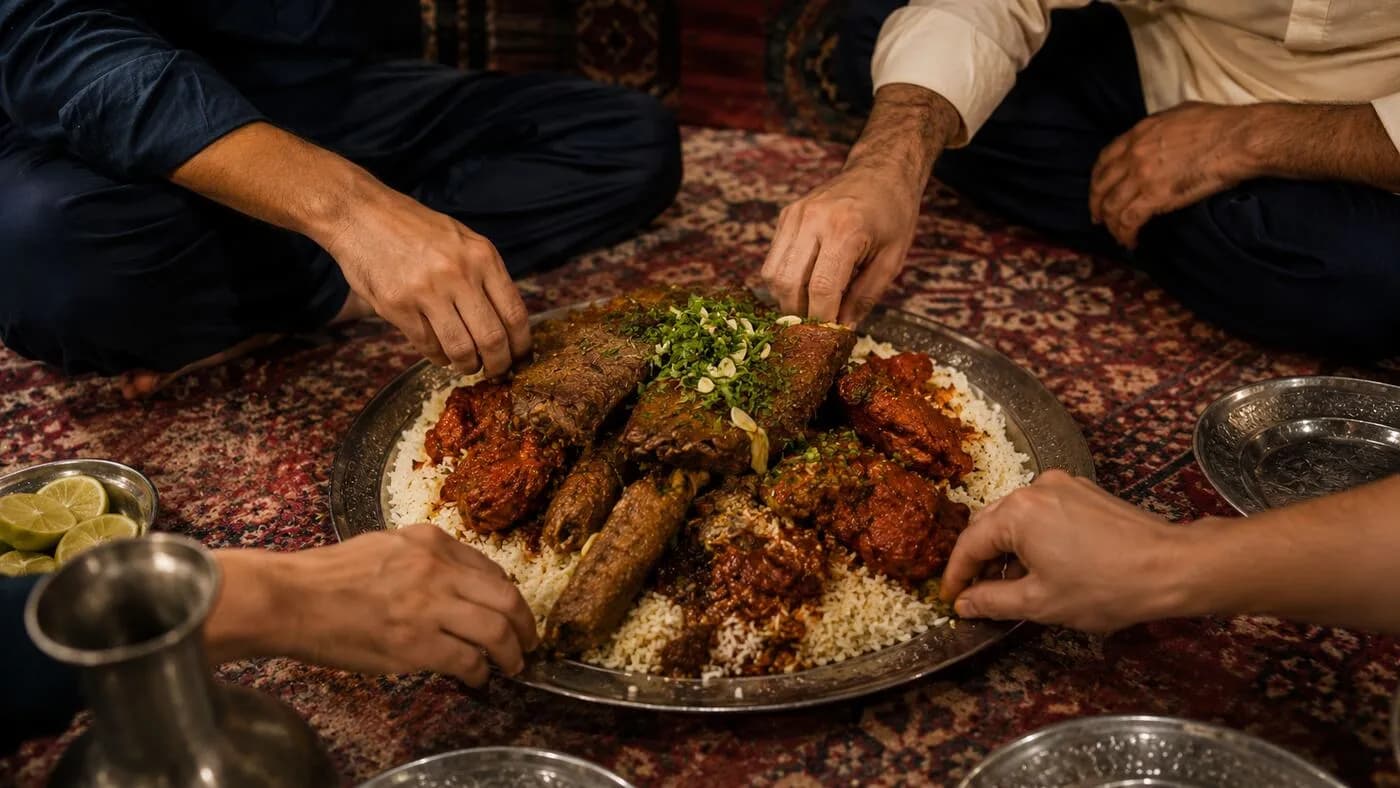
Thirty-six courses, one copper trami — the feast Kashmir is named for.

Begin the feast
Need help?

Waza is here.

A concierge that has eaten everywhere and slept nowhere — ask it anything about Kashmir.

Wazwan

Pandit Rogan Josh

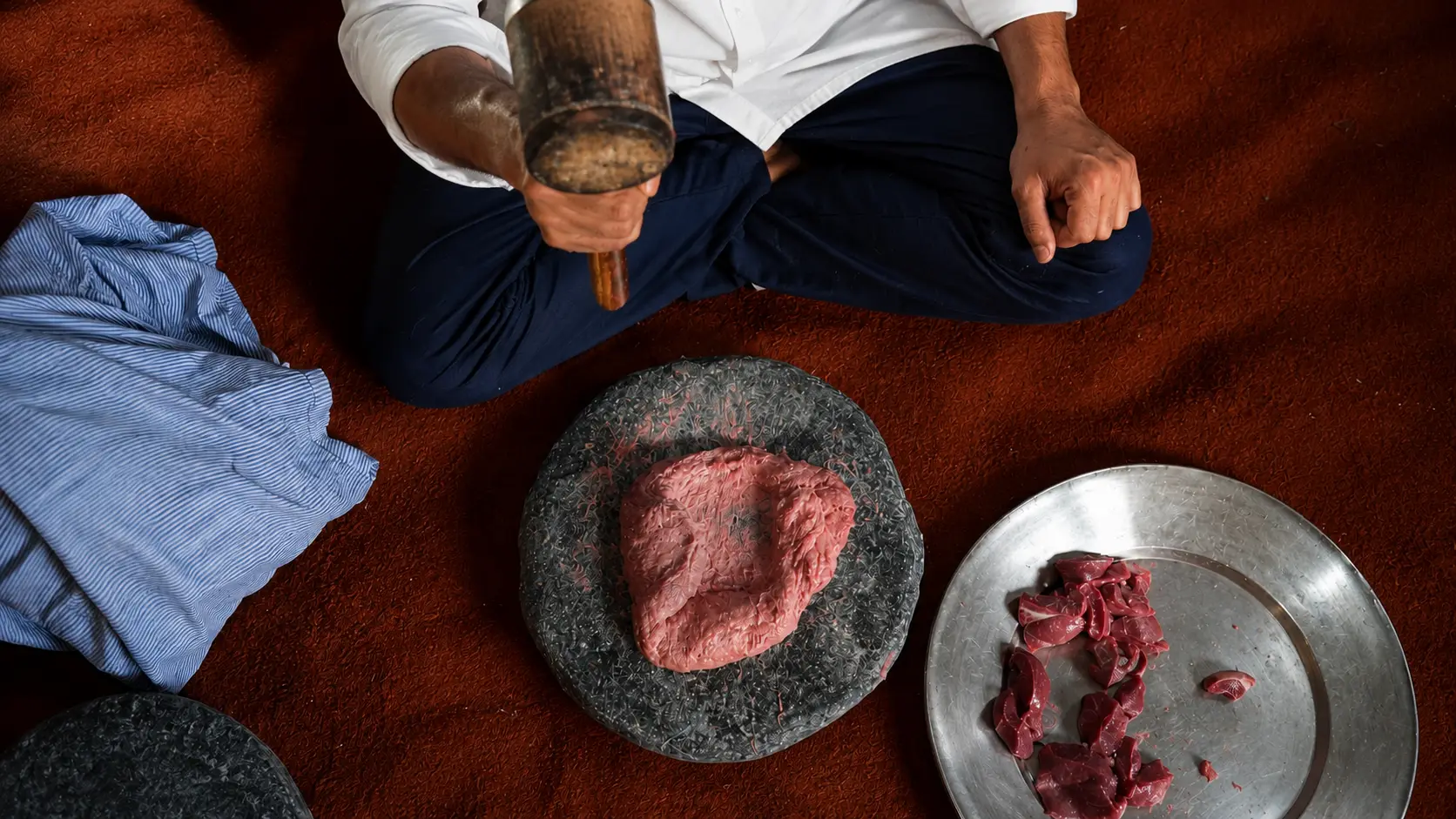
The Pandit kitchen makes Rogan Josh without a single onion or clove of garlic, and it loses nothing for it. Yogurt, asafoetida (hing), dry ginger (sonth) and fennel (saunf) do the structural work, and the finished gravy is silkier and tangier than its Muslim counterpart — the same deep red, arrived at by a different road.

Non-vegMediumINR 350-7004.5 / 5 popularity★ Traditional Wazwan Course

Waza AI Culinary Authority Scores

Authenticity4/5
Tourist Friendliness4/5
Luxury & Comfort3/5
Pandit Rogan Josh
History

Pandit Rogan Josh in Kashmiri tradition

Kashmiri Pandit cooking famously renounces onion and garlic while embracing meat, and Rogan Josh is the clearest showcase of that logic: hing bloomed in hot oil supplies the savoury depth onions would, yogurt builds the gravy, and the sonth-saunf pair defines the flavour. It stands alongside the Muslim/Wazwan version — praan-based, wedding-feast bound — as one of the two great traditions of Kashmir's most famous dish.

Tourist Tip

Most restaurant Rogan Josh in Srinagar follows the Muslim/Wazwan style. The Pandit version lives in home kitchens — you are most likely to taste it at Pandit-run homestays or festival meals, or by cooking the recipe on this page.

Where To Try It

Restaurants serving Pandit Rogan Josh

The Recipe

How to make Pandit Rogan Josh(Rogan Josh (Batta style))

The Pandit kitchen makes Rogan Josh without a single onion or clove of garlic, and it loses nothing for it. Yogurt, asafoetida, dry ginger and fennel do the structural work, and the finished gravy is silkier and tangier than its Muslim counterpart — the same red, arrived at by a different road.

Prep 18 minCook 75 minServes 4–6ModerateKashmiri Pandit
Ingredients
  • ·1 kg mutton on the bone, cut into 8–10 large pieces
  • ·100 ml mustard oil
  • ·200 g plain whole-milk yogurt, whisked smooth
  • ·A generous pinch of asafoetida (hing), dissolved in 1 tbsp warm water
  • ·2 tbsp Kashmiri chilli powder
  • ·2 tsp dry ginger powder (sonth)
  • ·2 tsp fennel (saunf) powder
  • ·4 cloves
  • ·2 black cardamom pods
  • ·4 green cardamom pods
  • ·1 small stick cinnamon
  • ·1 tsp cumin seeds
  • ·1/2 tsp sugar (optional, per the booklet's rendering)
  • ·1 tsp garam masala, or 1 tsp crumbled ver masala if available
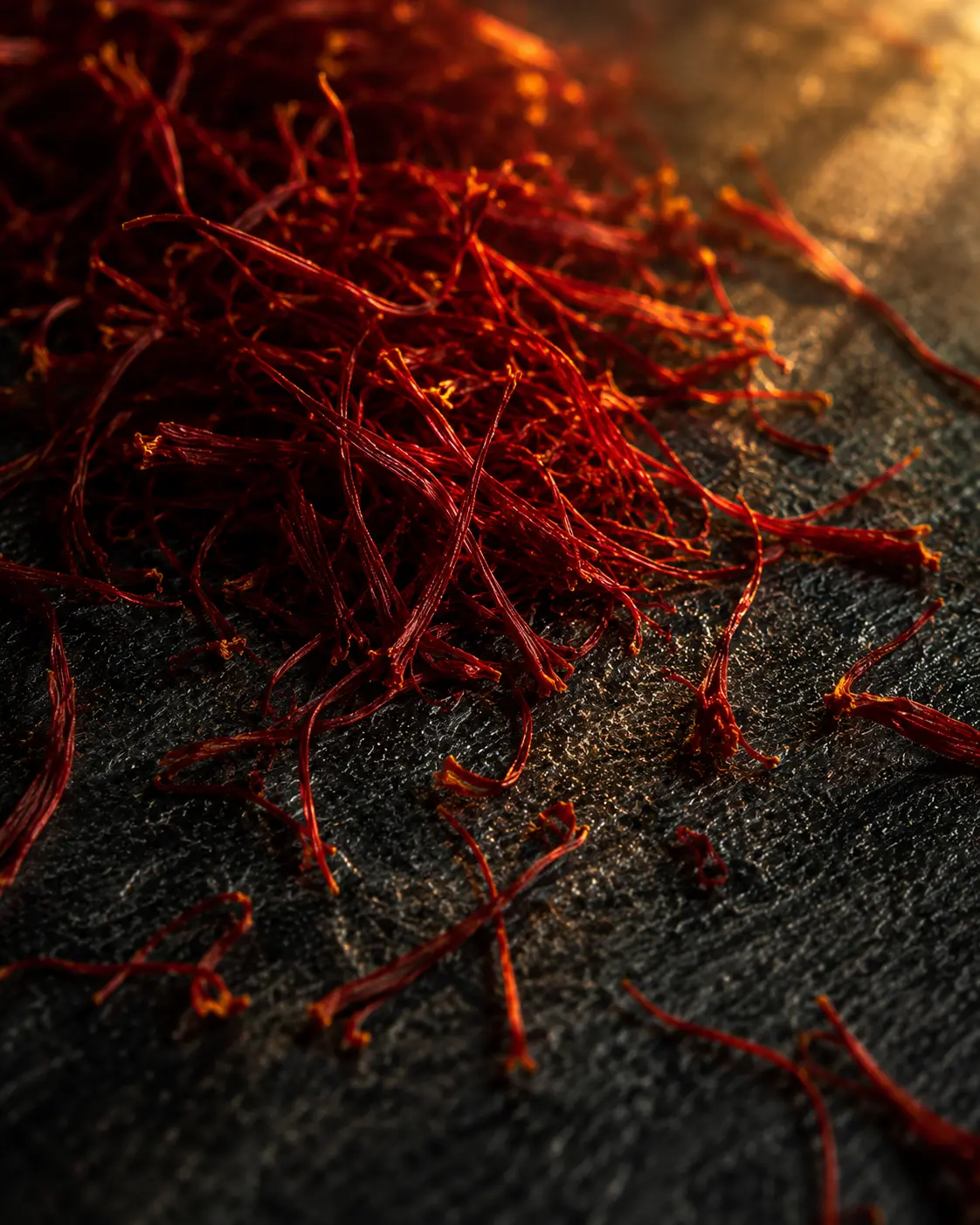
  • ·A pinch of saffron soaked in 2 tbsp warm water (optional)
  • ·Salt to taste (about 2 tsp)
  • ·500 ml hot water

Waza Tips

  • Bloom the hing in warm water or hot oil first — raw asafoetida stirred in late tastes harsh instead of savoury.
  • The long dry-frying stage after the curd coating is the backbone of the dish; the meat should truly fry, not stew, before any water goes in.
  • Sonth and saunf go in with the liquid, not at the start — fried too long they turn bitter.
  • If you have ver masala, use it in place of garam masala; one crumbled piece carries the whole authentic Pandit spice profile.
Method
  1. 1

    Whisk half the yogurt with the hing water and coat the mutton pieces in it; set aside while the oil heats.

  2. 2

    Heat the mustard oil in a heavy pot until it smokes lightly, then let it settle a moment. Add cloves, cumin seeds, black and green cardamom and cinnamon.

  3. 3

    Add the yogurt-coated meat with any remaining coating. Cook over medium heat, turning constantly, until the liquid from meat and curd dries off and the pieces begin to fry in the oil and turn golden-brown (this can take 15–20 minutes — do not shortcut it).

  4. 4

    Add the Kashmiri chilli powder with a splash of water and salt, and keep turning until the meat is stained brick-red and the oil shows red at the edges.

  5. 5

    Whisk the remaining yogurt and stir it in gradually over low heat so it never splits.

  6. 6

    Add the dry ginger and fennel powders and the hot water. Cover and simmer gently until the meat is tender and the gravy is thick, red and glossy with separated oil (45–60 minutes).

  7. 7

    Finish with garam masala or crumbled ver, the sugar if using, and the saffron water. Simmer two more minutes and serve.

Common Mistakes
  • ×Sneaking in onion or garlic 'for depth' — it flattens the very character that distinguishes this version.
  • ×Adding cold yogurt to a hard boil, splitting the gravy.
  • ×Using hot red chilli powder; the dish should be deeply red but only moderately hot.
  • ×Under-frying the meat at the start, which leaves the gravy tasting of boiled curd.
At Home

This version is actually the easier one to make outside Kashmir since it needs no praan or mawal — supermarket ingredients cover everything except ver, for which garam masala plus extra sonth is an accepted stand-in. A pressure cooker works: do the frying stages open, then 3–4 whistles, then reduce uncovered until the oil separates.

Serving

Served over plain rice, classically alongside other Pandit staples like dum aloo, chaman and haakh. It is festival and wedding food in Pandit homes, not part of the Muslim Wazwan sequence.