SrinagarGood evening.
The Wazwan — Kashmir's royal feast
Wazwan Way · The Royal Feast

The Wazwan.

Thirty-six courses, one copper trami — the feast Kashmir is named for.

Begin the feast
Need help?

Waza is here.

A concierge that has eaten everywhere and slept nowhere — ask it anything about Kashmir.

Desserts

Phirni

Phirni is a renowned culinary offering from Kashmir. Made with traditional spices and cooking methods, this veg item delivers the deep flavor profile typical of Budget Eats cuisine. Perfectly seasoned with spices such as fennel, ginger, and saffron, it represents the rich culinary heritage of the valley.

VegMildINR 100-2004.1 / 5 popularity❀ Traditional Home-style Recipe

Waza AI Culinary Authority Scores

Authenticity5/5
Tourist Friendliness3.5/5
Luxury & Comfort4.5/5
Phirni
History

Phirni in Kashmiri tradition

The history of Phirni stretches back generations, drawing deep influences from local traditions and Central Asian culinary pathways. Historically prepared by master chefs (Wazas) or passed down through domestic households, it has become a true staple of Kashmiri dining. It symbolizes hospitality and celebration, gracing tables during weddings, festivals, and family gatherings.

Tourist Tip

When ordering Phirni, pair it with warm steamed rice or traditional local bread like Lavas. Ask your hosts about the specific spices used to enhance the flavor.

Where To Try It

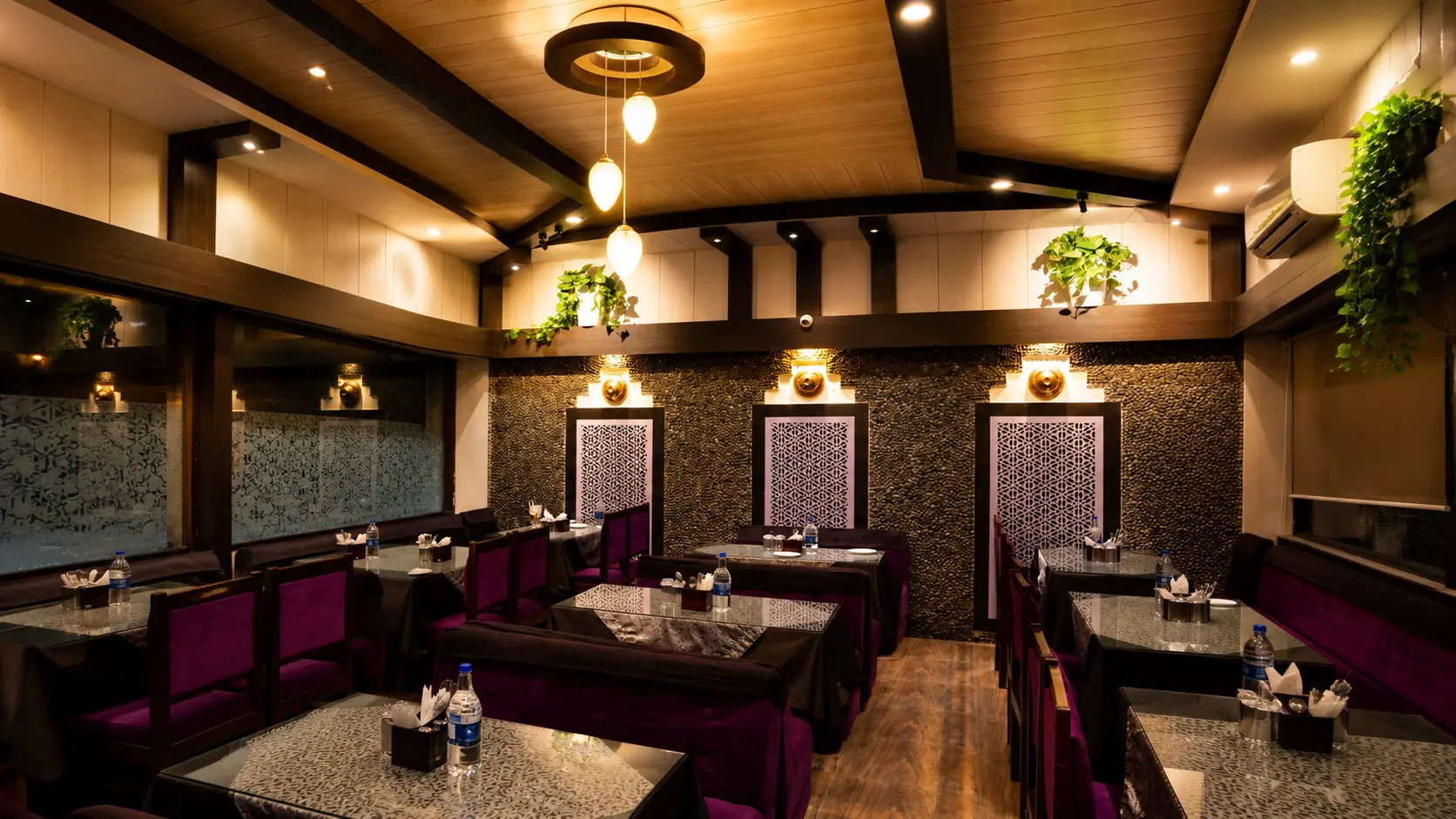
Restaurants serving Phirni

The Recipe

How to make Phirni(Phirni)

Phirni is a chilled, set pudding of coarsely ground rice slow-cooked in milk with saffron and cardamom, traditionally poured into shallow clay bowls that drink up excess moisture as it cools. In Kashmir it is festival food — and it comes with a distinctly local twist worth knowing about.

Prep 13 minCook 30 minServes 6EasyShared (variants noted)
Ingredients
  • ·50 g basmati rice, soaked 30 minutes, drained and ground to a coarse, grainy paste with 2-3 tbsp water (or 50 g fine semolina for the Kashmiri Kong Phirin variant — see flags)
  • ·1 litre full-fat milk
  • ·100-120 g sugar
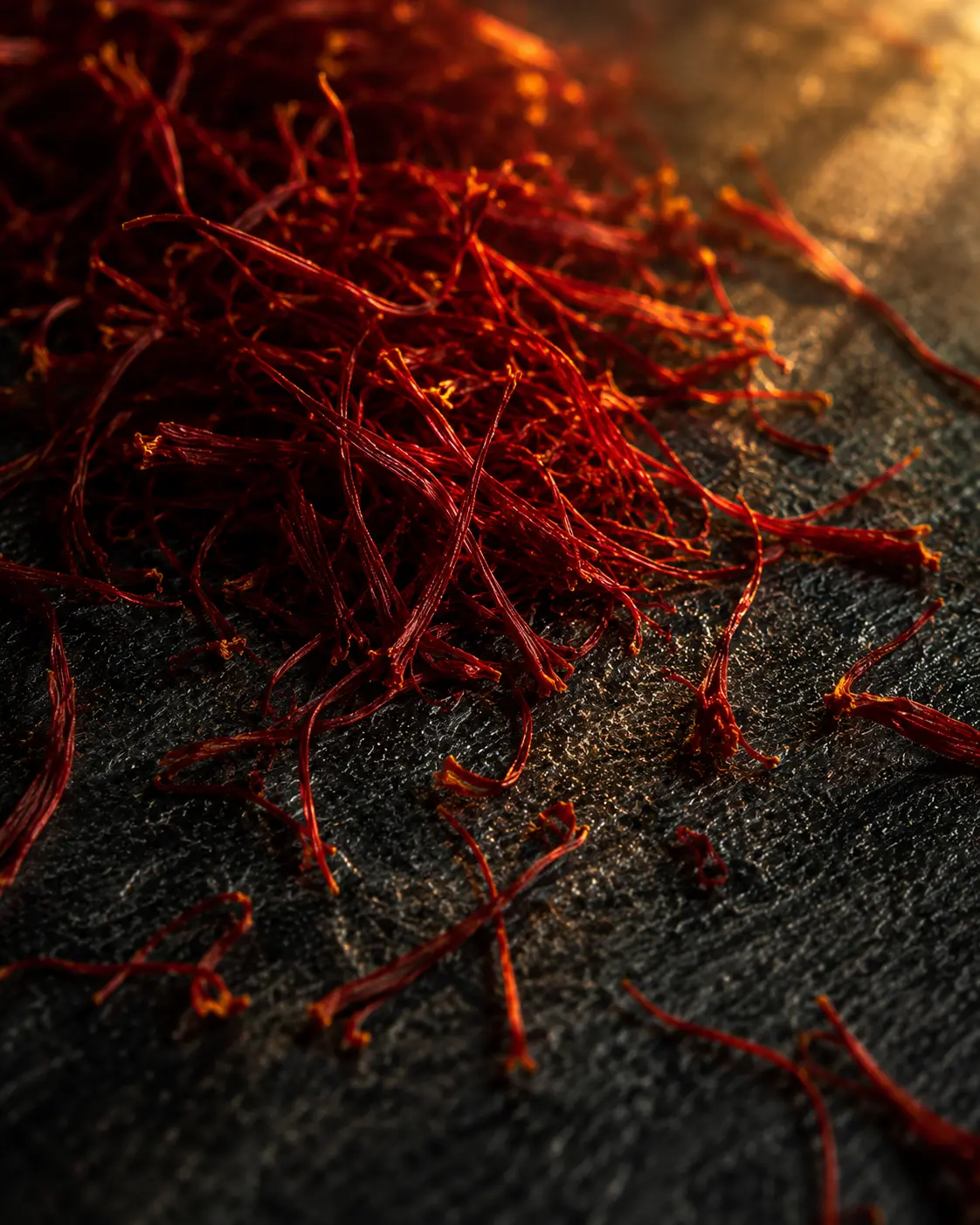
  • ·A generous pinch of saffron threads, steeped in 2 tbsp warm milk
  • ·0.5 tsp green cardamom powder
  • ·2 tbsp almonds and pistachios, slivered
  • ·1 tsp rose water or kewra water (optional)
  • ·Dried rose petals to finish (optional)

Waza Tips

  • Grind the rice coarse, not to flour — the faint grain in each spoonful is the texture that separates phirni from custard.
  • Pour it looser than seems right; phirni firms substantially in the fridge and an over-thickened pot sets rubbery.
  • Unglazed clay bowls are not just presentation: they absorb moisture and genuinely improve the set, which is why the tradition persists.
Method
  1. 1

    Bring the milk to a boil in a heavy, wide pan, then lower to a steady simmer.

  2. 2

    Whisk in the ground rice paste (or semolina) in a thin stream, stirring constantly so no lumps form.

  3. 3

    Cook on low heat, stirring often and scraping the base, until the grains are fully cooked and the mixture coats the spoon thickly — traditionally judged when a line drawn through the pudding on the back of the spoon holds; roughly 20-25 minutes.

  4. 4

    Add the sugar, saffron with its steeping milk, and cardamom; cook 3-4 minutes more until the sugar dissolves and the colour turns pale gold. The pudding should still be pourable — it sets further as it cools.

  5. 5

    Stir in the rose or kewra water off the heat, then pour into individual clay bowls (shikoras) or small ramekins.

  6. 6

    Cool to room temperature, then chill for at least 2 hours until softly set. Finish with slivered nuts and rose petals and serve cold.

Common Mistakes
  • ×Grinding the rice to a smooth flour and losing the signature grain
  • ×Cooking until thick in the pan, which guarantees a dense, rubbery set after chilling
  • ×Adding saffron too late for it to colour and perfume the milk
  • ×Serving warm — phirni is emphatically a chilled dessert
At Home

Ramekins or small glass bowls work if clay shikoras are unavailable; the set will be marginally softer. Rice flour can replace home-ground rice in a pinch (use slightly less), though the texture turns smoother and less traditional. For the Kashmiri Kong Phirin variant, swap in fine semolina, be generous with saffron, and skip nothing else.

Serving

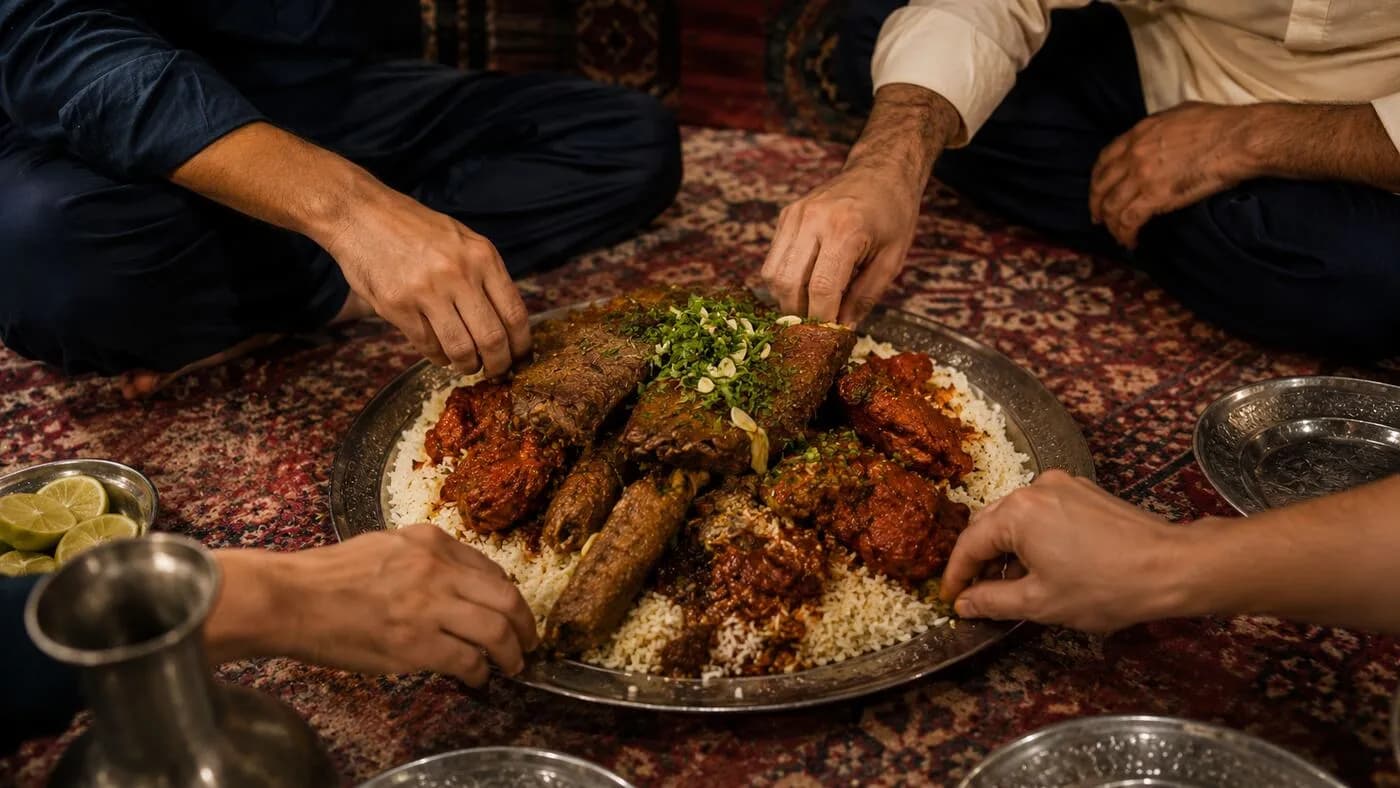
Served cold in individual bowls at the end of festive meals — in the Kashmiri context especially at Eid and Ramadan gatherings; it also closes a heavy Wazwan-style dinner gracefully.