SrinagarGood evening.
The Wazwan — Kashmir's royal feast
Wazwan Way · The Royal Feast

The Wazwan.

Thirty-six courses, one copper trami — the feast Kashmir is named for.

Begin the feast
Need help?

Waza is here.

A concierge that has eaten everywhere and slept nowhere — ask it anything about Kashmir.

Wazwan

Rista

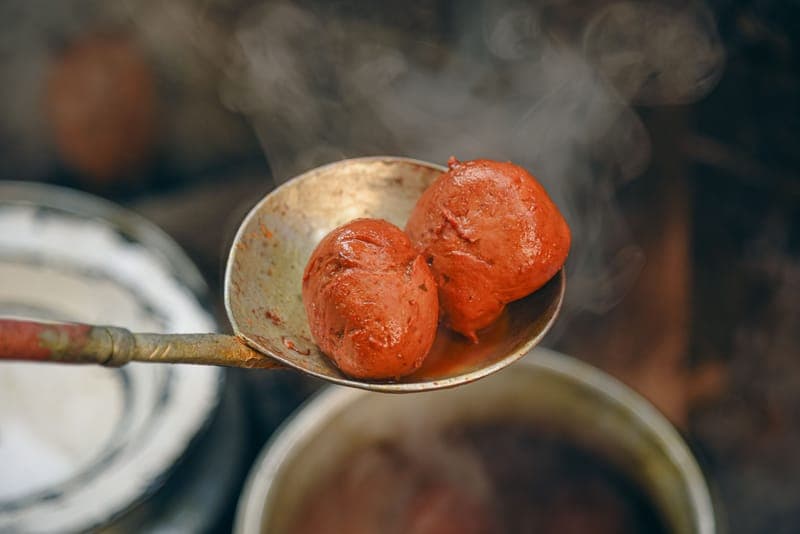
Rista brings together carefully pounded meatballs and a saffron-tinted, chili-forward gravy that stands out for its elegant texture and bright appearance.

Non-vegHighINR 500-9504.7 / 5 popularity★ Traditional Wazwan Course

Waza AI Culinary Authority Scores

Authenticity4.1/5
Tourist Friendliness4.4/5
Luxury & Comfort3/5
Rista
History

Rista in Kashmiri tradition

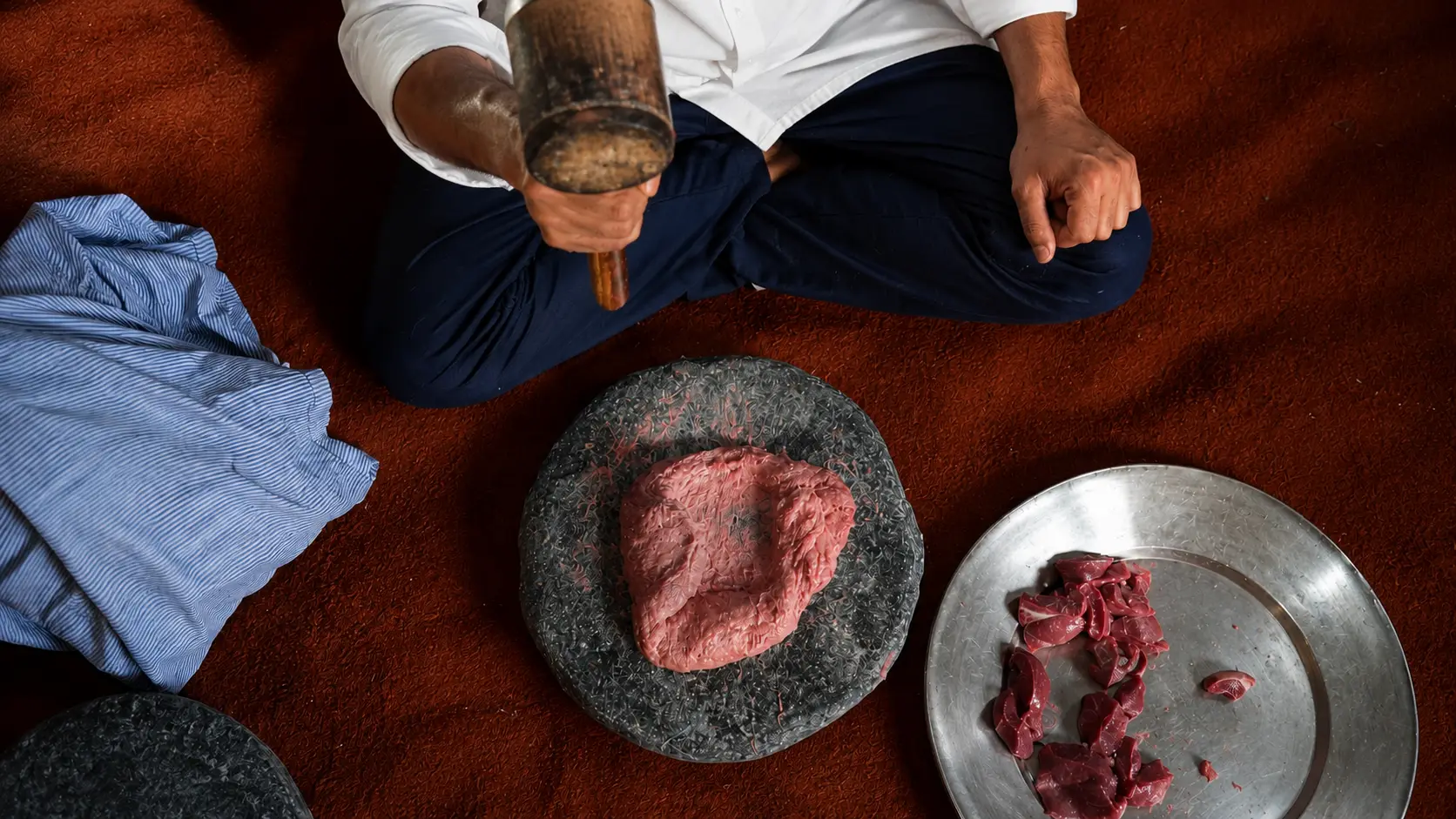
Rista has long been a centerpiece ceremonial dish in the Wazwan repertoire, remaining a true symbol of refinement and culinary mastery in Kashmiri feasting culture. Creating Rista requires exceptional skill; the meat is painstakingly hand-pounded to achieve a silky, spongy texture that absorbs the intensely flavored, saffron-tinted red gravy. Historically, the vibrant red color of the dish was a marker of luxury, signifying the use of premium local ingredients like Kashmiri chilies and cockscomb flower extract (mawal). It remains a dish reserved for special occasions and grand celebrations.

Tourist Tip

This is ideal for tourists who want a classic Wazwan dish with more visual drama and a punchier flavor profile than Gushtaba.
Where To Try It

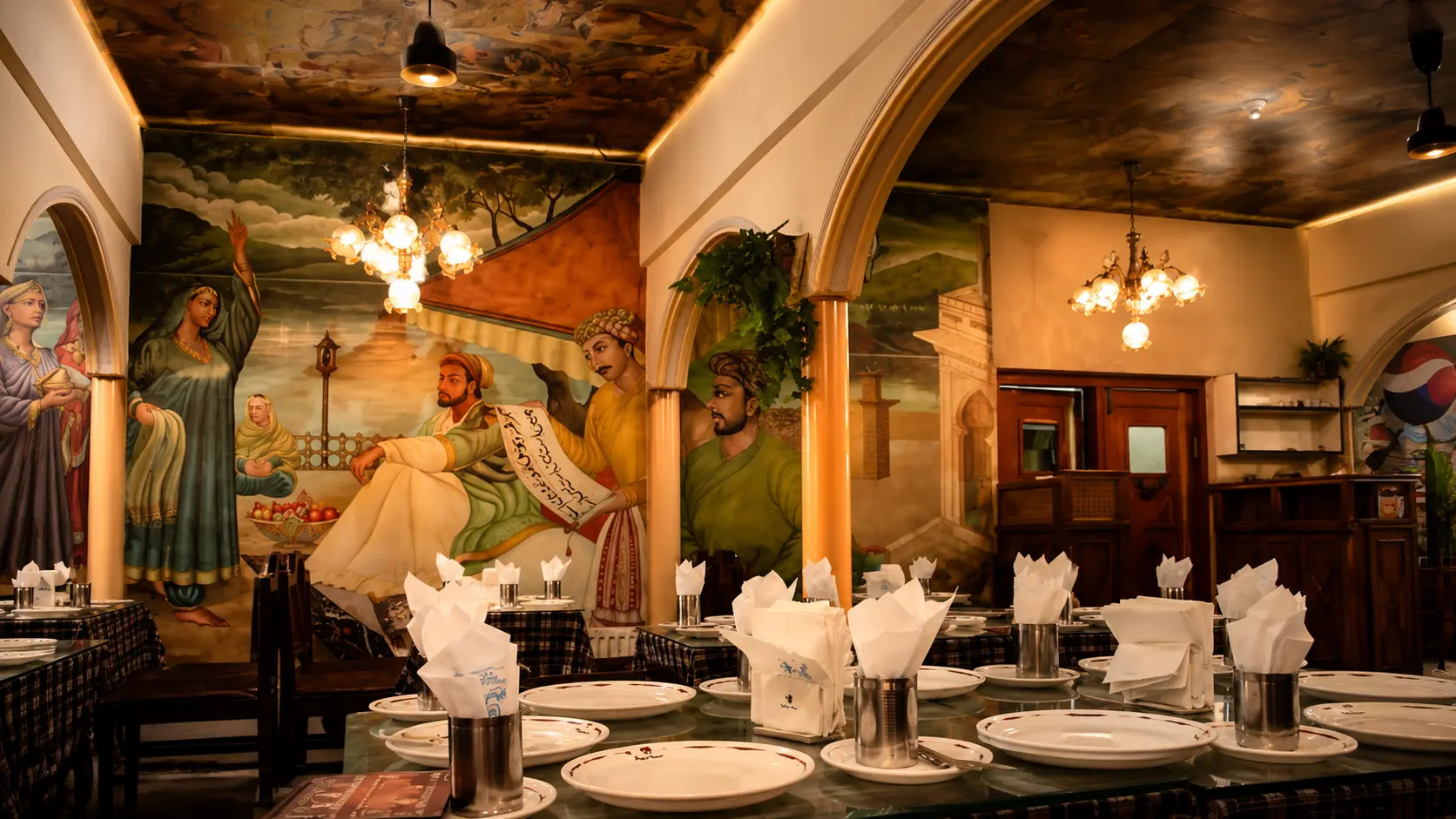
Restaurants serving Rista

Ahdoos

Ahdoo's Hotel, Residency Road, Regal Chowk, Srinagar, Jammu and Kashmir 190001

View ->

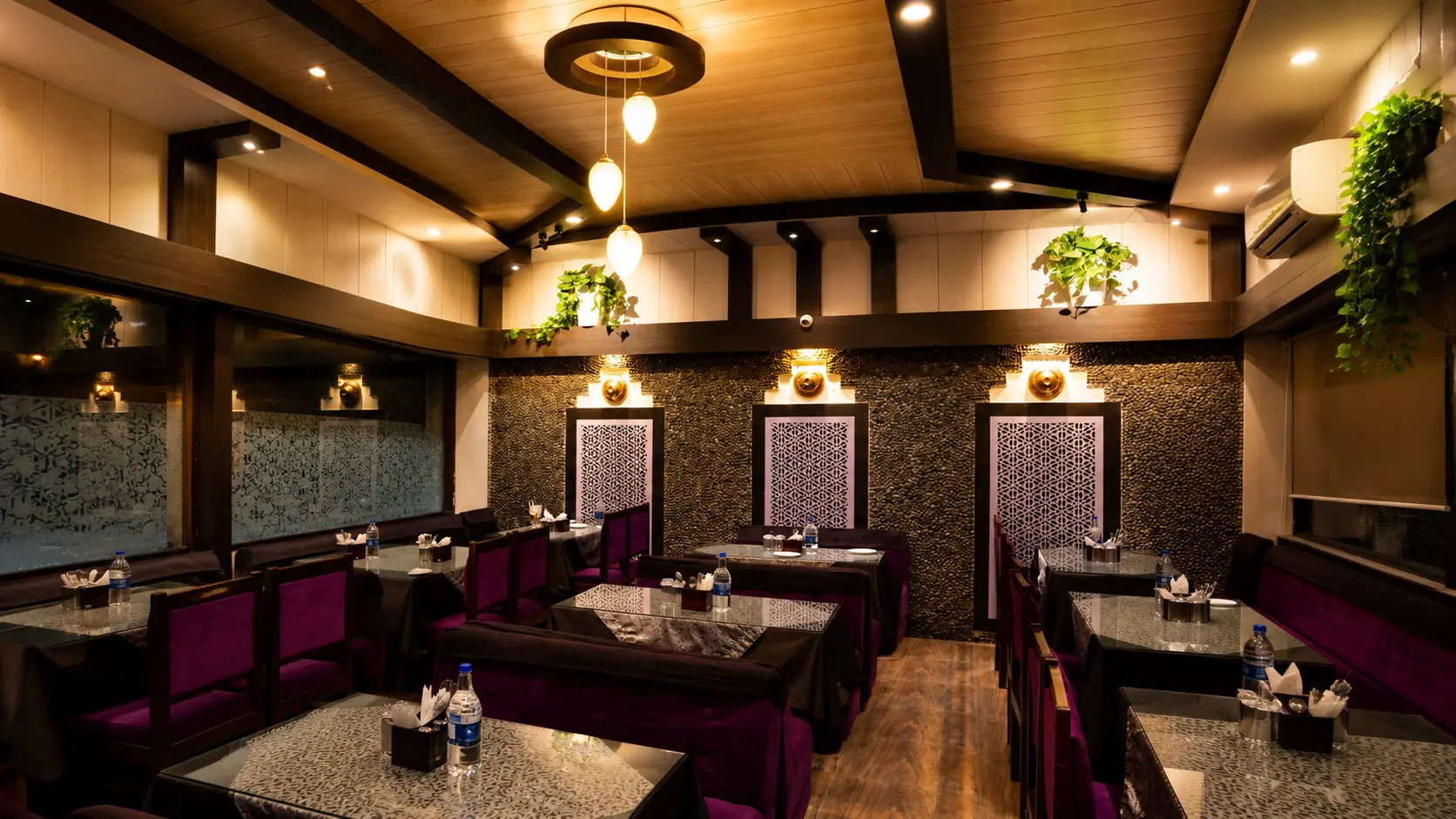
Mughal Darbar

ground floor, Residency Road, near gpo, Munshi Bagh, Srinagar, Jammu and Kashmir 190001

View ->
The Recipe

How to make Rista(Rista)

Rista is where the waza's craft is most visible: lean mutton pounded — never ground — with fat on a stone block until it becomes a silken, springy paste, rolled into balls and simmered in a thin scarlet gravy of Kashmiri chilli, mawal and saffron. The texture, bouncy and completely smooth, cannot be faked with a food processor alone.

Prep 75 minCook 53 minServes 4–6 (makes 10–14 meatballs)ExpertKashmiri Muslim
Ingredients
  • ·For the meatballs: 1 kg boneless mutton leg, absolutely fresh, trimmed of sinew and cut into 2–3 cm cubes
  • ·150–200 g mutton fat (kidney fat/suet), warmed in hot water until soft
  • ·1 tsp ground black cardamom seeds
  • ·1 tsp dry ginger powder (sonth)
  • ·1 tsp fennel (saunf) powder
  • ·1.5 tsp salt
  • ·1 tbsp cold water or crushed ice, as needed while pounding
  • ·For the gravy: 80 ml mustard oil
  • ·5 garlic cloves, finely chopped
  • ·1/2 tsp cumin seeds
  • ·2 cloves
  • ·1.5–2 tbsp Kashmiri chilli powder (or 8 soaked Kashmiri chillies, ground)
  • ·1 tbsp mawal (dried cockscomb flower) simmered in 120 ml water and strained (optional but traditional)
  • ·2 tbsp praan (shallot) paste, fried and ground
  • ·1 tsp fennel powder
  • ·1 tsp dry ginger powder
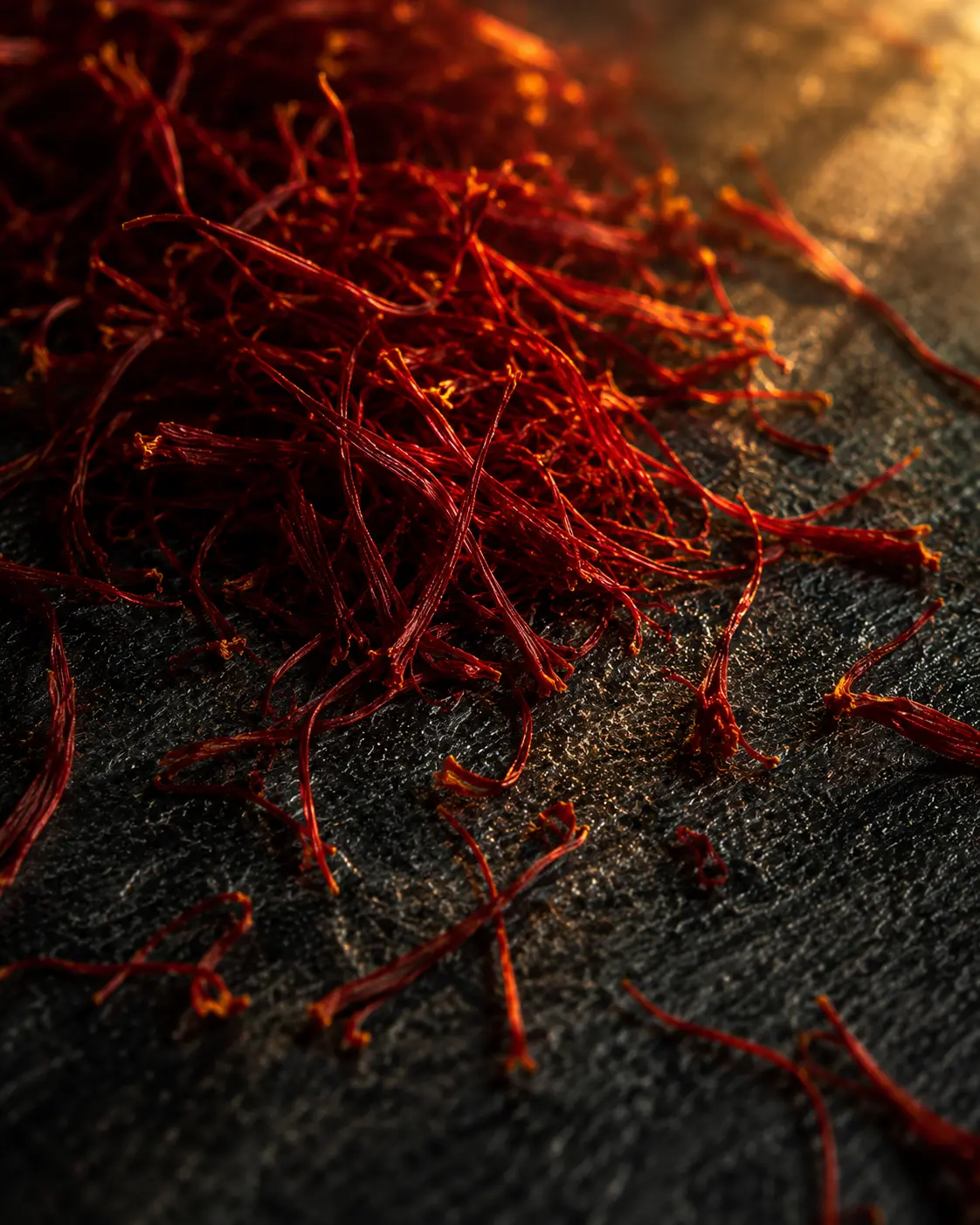
  • ·A good pinch of saffron, crumbled into 2 tbsp warm water
  • ·1/2 tsp garam masala plus 1/2 tsp mixed black cardamom–cinnamon powder
  • ·Salt to taste
  • ·About 1 litre hot water or light mutton stock

Waza Tips

  • The meat must be fresh and still cool from the butcher — wazas insist meat that has been refrigerated for days will not emulsify to the same silkiness.
  • Pound with fat, never lean alone; the fat is the emulsifier that makes rista bounce instead of crumble.
  • Shake the pot, don't stir, while the balls set — a ladle in the first minutes tears them.
  • The gravy stays thin by design; rista is judged on the ball's texture and the gravy's colour, not on thickness.
Method
  1. 1

    Pound the meat: working a few cubes at a time on a stone slab or heavy board, beat the mutton with a wooden mallet, folding the mass back on itself. Every few minutes add a piece of the softened fat and keep pounding so it disperses evenly. Continue until the meat is a smooth, pale, dough-like paste with no visible fibres (30–45 minutes by hand — the paste should be sticky and spring back when pressed).

  2. 2

    Knead in the black cardamom, sonth, fennel powder and salt with a splash of cold water. The finished mince should be glossy and homogeneous.

  3. 3

    With water-and-oil-moistened palms, roll the mince into compact balls of about 4 cm, pressing each firmly in the palm first so there are no air pockets. Keep them cool.

  4. 4

    For the gravy, heat the mustard oil in a wide pot until its rawness cooks off, let it calm, then add cumin, cloves and chopped garlic; fry until the garlic is light brown.

  5. 5

    Add the Kashmiri chilli (paste or powder) with a ladle of water and fry until the oil turns deep red and separates.

  6. 6

    Pour in the hot water or stock, then add the mawal decoction, praan paste, fennel and ginger powders and salt. Bring to a rolling simmer.

  7. 7

    Slide the meatballs in one by one. Simmer uncovered over medium heat for 30–40 minutes, shaking the pot rather than stirring for the first 10 minutes so the balls set without breaking. They will swell and firm as they cook, and the gravy will deepen and reduce slightly — it should stay pourable, not thick.

  8. 8

    Add the saffron water, garam masala and cardamom-cinnamon powder. Simmer five more minutes and serve the ristas hot with a generous ladle of gravy.

Common Mistakes
  • ×Using pre-ground cold mince with no fat — the balls turn dense and grainy instead of springy.
  • ×Skipping the firm double-press when shaping, leaving air pockets that split the balls in the simmer.
  • ×Boiling too hard at the start, which breaks the ristas before they set.
  • ×Thickening the gravy like a korma; rista gravy is a thin, intense, brick-red broth.
At Home

Without a goshpar, run cold cubed meat and fat through a food processor in short pulses until pasty, then hand-pound the paste in a sturdy mortar or knead-slap it against the bowl for a further 10–15 minutes — the extra beating is what builds the bounce. Keep everything cold. Shallots substitute for praan; if mawal is unavailable, lean on Kashmiri chilli paste and saffron for colour.

Serving

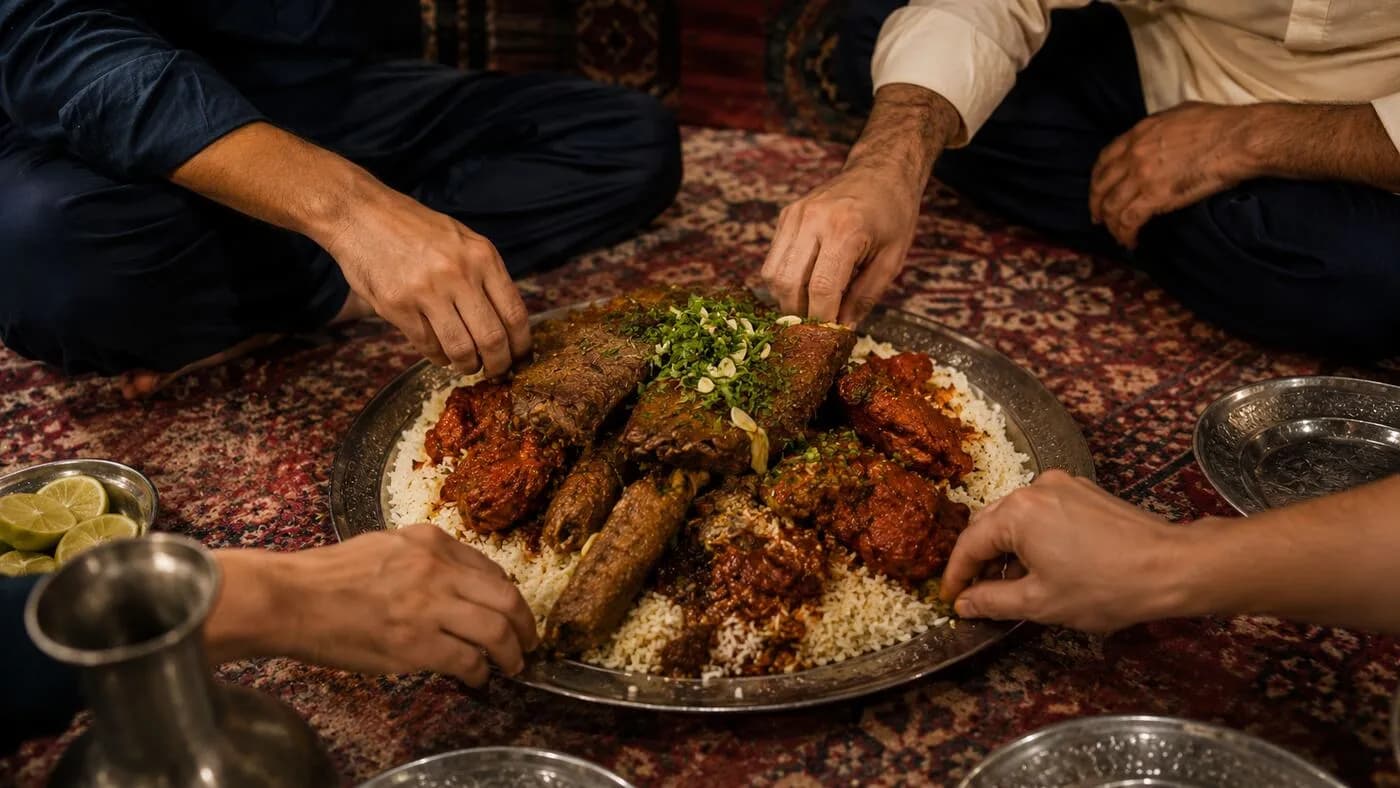
In the Wazwan, a couple of ristas with a ladle of gravy are served per trami in the early-to-mid meat courses. At home, serve over plain rice with the gravy flooding the plate.