SrinagarGood evening.
The Wazwan — Kashmir's royal feast
Wazwan Way · The Royal Feast

The Wazwan.

Thirty-six courses, one copper trami — the feast Kashmir is named for.

Begin the feast
Need help?

Waza is here.

A concierge that has eaten everywhere and slept nowhere — ask it anything about Kashmir.

Wazwan

Rogan Josh

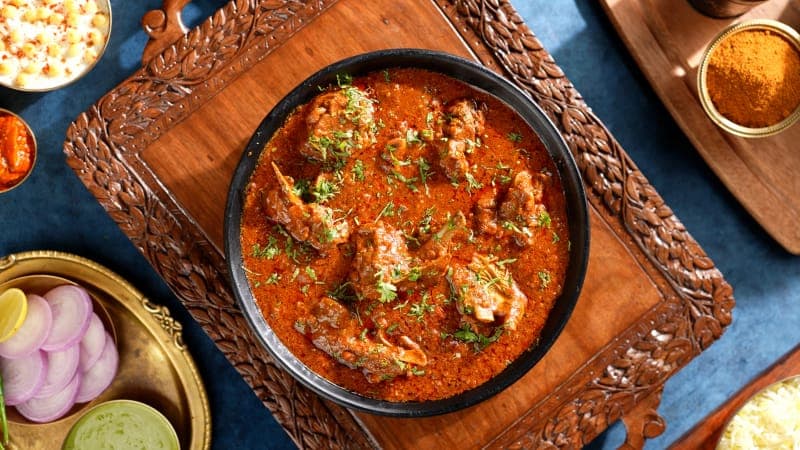
Rogan Josh is one of the most celebrated dishes from Kashmir, known for its vivid red color, tender meat, and deeply fragrant gravy built with fennel, dry ginger, and Kashmiri chilies.

Non-vegMediumINR 450-9004.9 / 5 popularity★ Traditional Wazwan Course

Waza AI Culinary Authority Scores

Authenticity3.8/5
Tourist Friendliness4.4/5
Luxury & Comfort3/5
Rogan Josh
History

Rogan Josh in Kashmiri tradition

The origins of Rogan Josh can be traced back to Persian and Mughal influences, brought to the Kashmir Valley by the Mughals who appreciated its cool climate. The name itself is derived from Persian, where 'rogan' means clarified butter or oil, and 'josh' means passion, heat, or fire—referring to the intense red color imparted by the Kashmiri chilies and ratan jot. Over centuries, it evolved into a signature dish of the Kashmiri Muslim Wazwan and the Kashmiri Pandit cuisine, symbolizing festivity, celebration, and the rich cultural synthesis of the region.

Tourist Tip

Try this at a traditional Wazwan restaurant around lunchtime for the freshest batch, and ask for steamed rice on the side.
Where To Try It

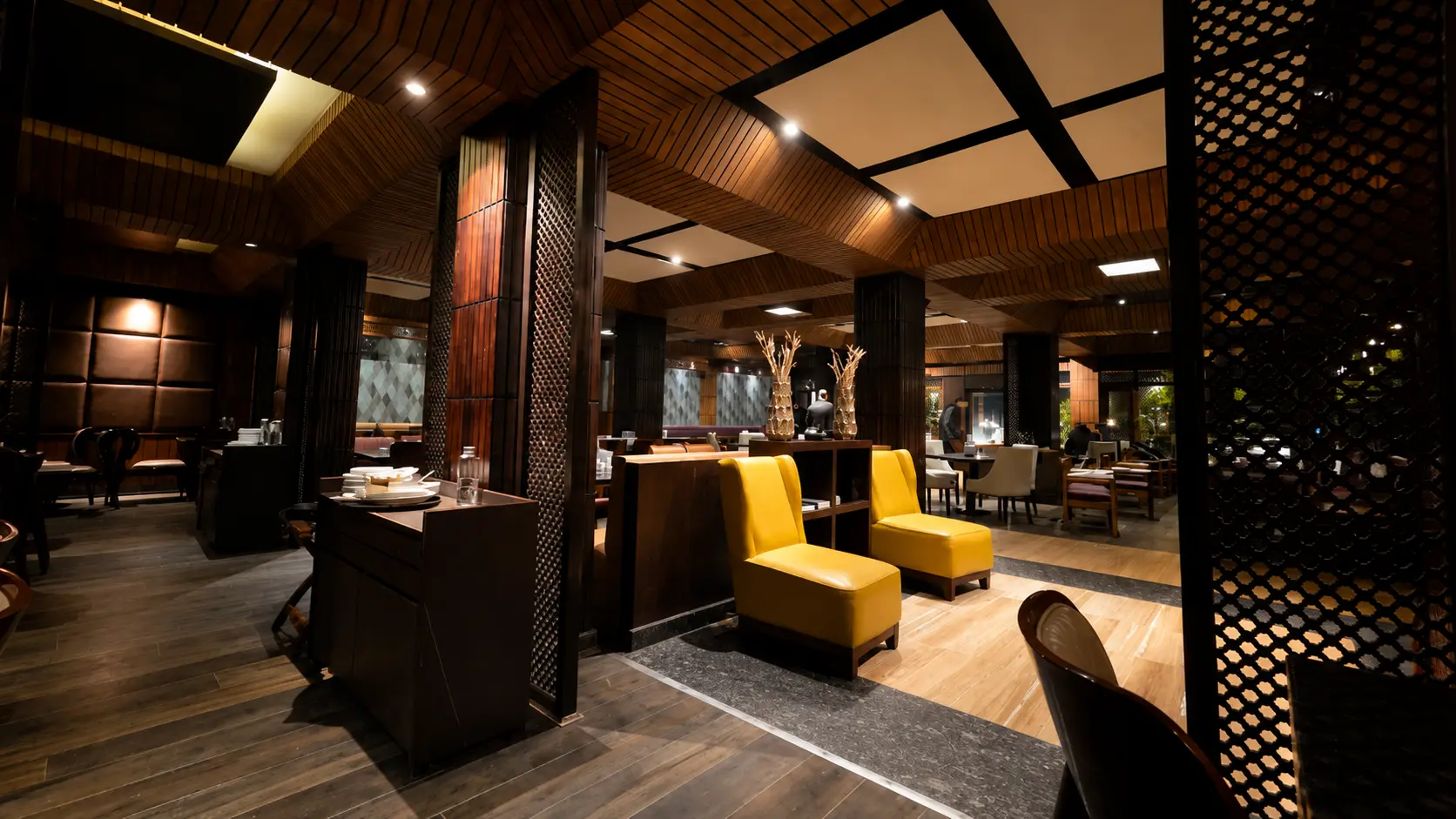
Restaurants serving Rogan Josh

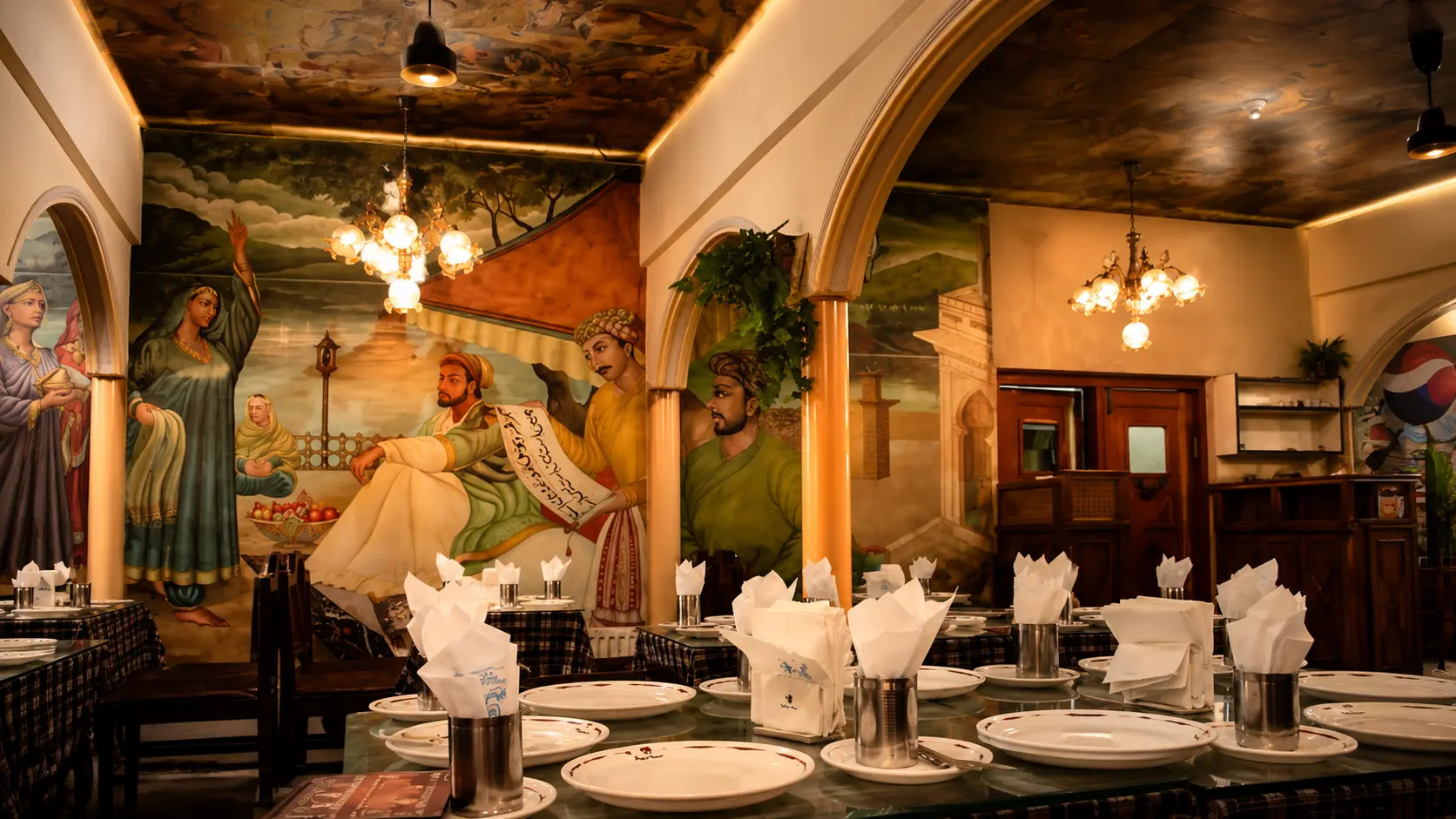
Ahdoos

Ahdoo's Hotel, Residency Road, Regal Chowk, Srinagar, Jammu and Kashmir 190001

View ->

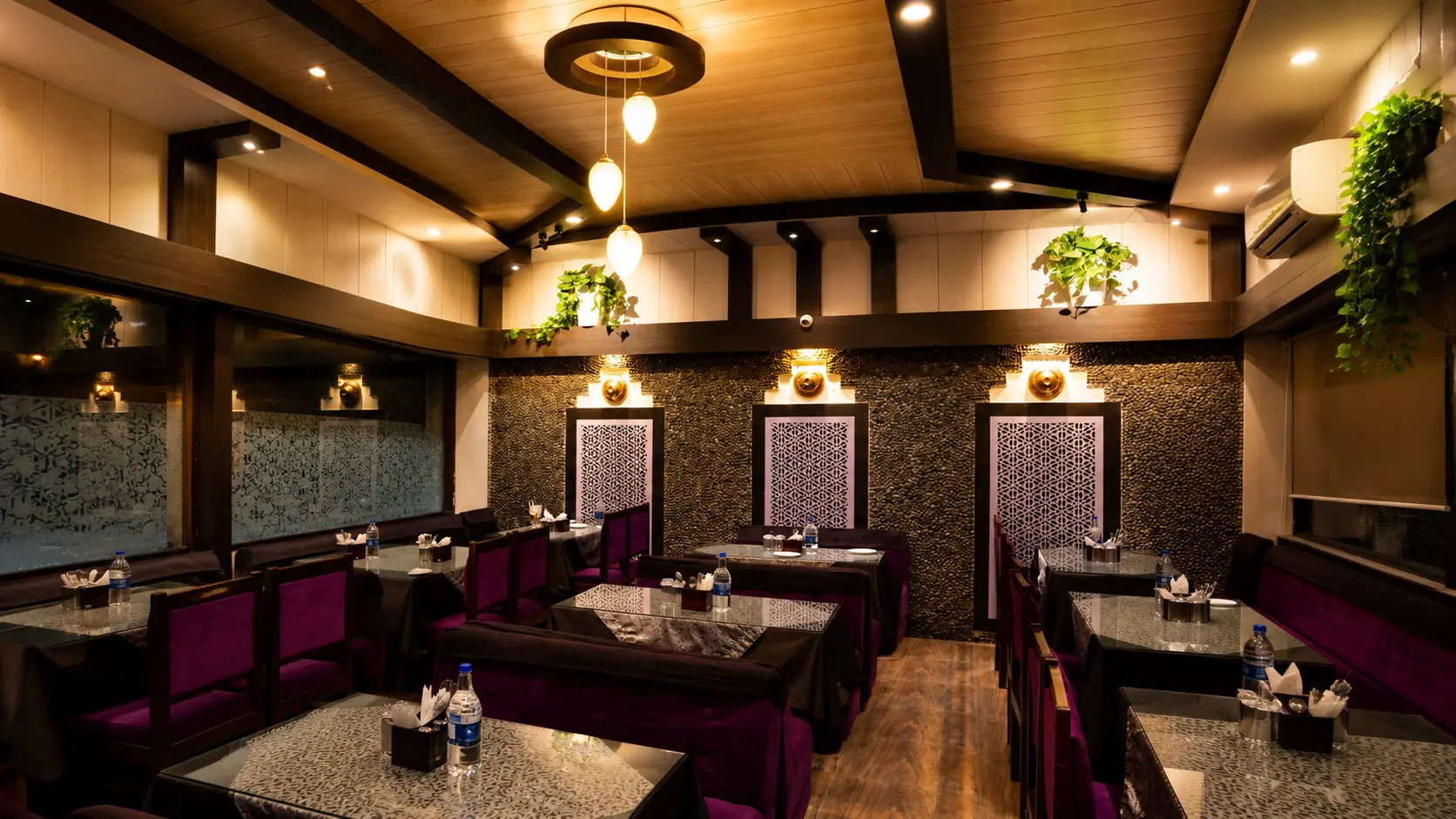
Mughal Darbar

ground floor, Residency Road, near gpo, Munshi Bagh, Srinagar, Jammu and Kashmir 190001

View ->
The Recipe

How to make Rogan Josh(Rogan Josh)

The dish most people think they know, and the one most often gotten wrong. In the hands of a Kashmiri waza, Rogan Josh is bone-in mutton braised until a lake of chilli-stained fat — the rogan — rises to the surface, its colour coming from Kashmiri chillies and mawal (cockscomb flower), never from tomatoes.

Prep 30 minCook 75 minServes 4–6ModerateKashmiri Muslim
Ingredients
  • ·1 kg mutton (goat or lamb) on the bone — shoulder, ribs and shank mixed, cut into 8–10 large pieces
  • ·100 ml mustard oil
  • ·8–10 whole dried Kashmiri chillies, soaked in hot water 20 minutes and ground to a paste (or 2 tbsp Kashmiri chilli powder mixed with 3 tbsp water)
  • ·1 tbsp mawal (dried cockscomb flower) simmered in 120 ml water and strained, optional but traditional for colour
  • ·3 tbsp praan (Kashmiri shallot) paste — fried golden and ground with a little hot water (regular shallots substitute)
  • ·1 tbsp garlic paste
  • ·2 tsp fennel (saunf) powder
  • ·1.5 tsp dry ginger powder (sonth)
  • ·4 cloves
  • ·4 green cardamom pods, lightly crushed
  • ·2 black cardamom pods
  • ·1 small stick cinnamon
  • ·2 tbsp plain whole-milk yogurt, whisked (optional — see flags)
  • ·1 tsp garam masala (Kashmiri style, cardamom-cinnamon forward)
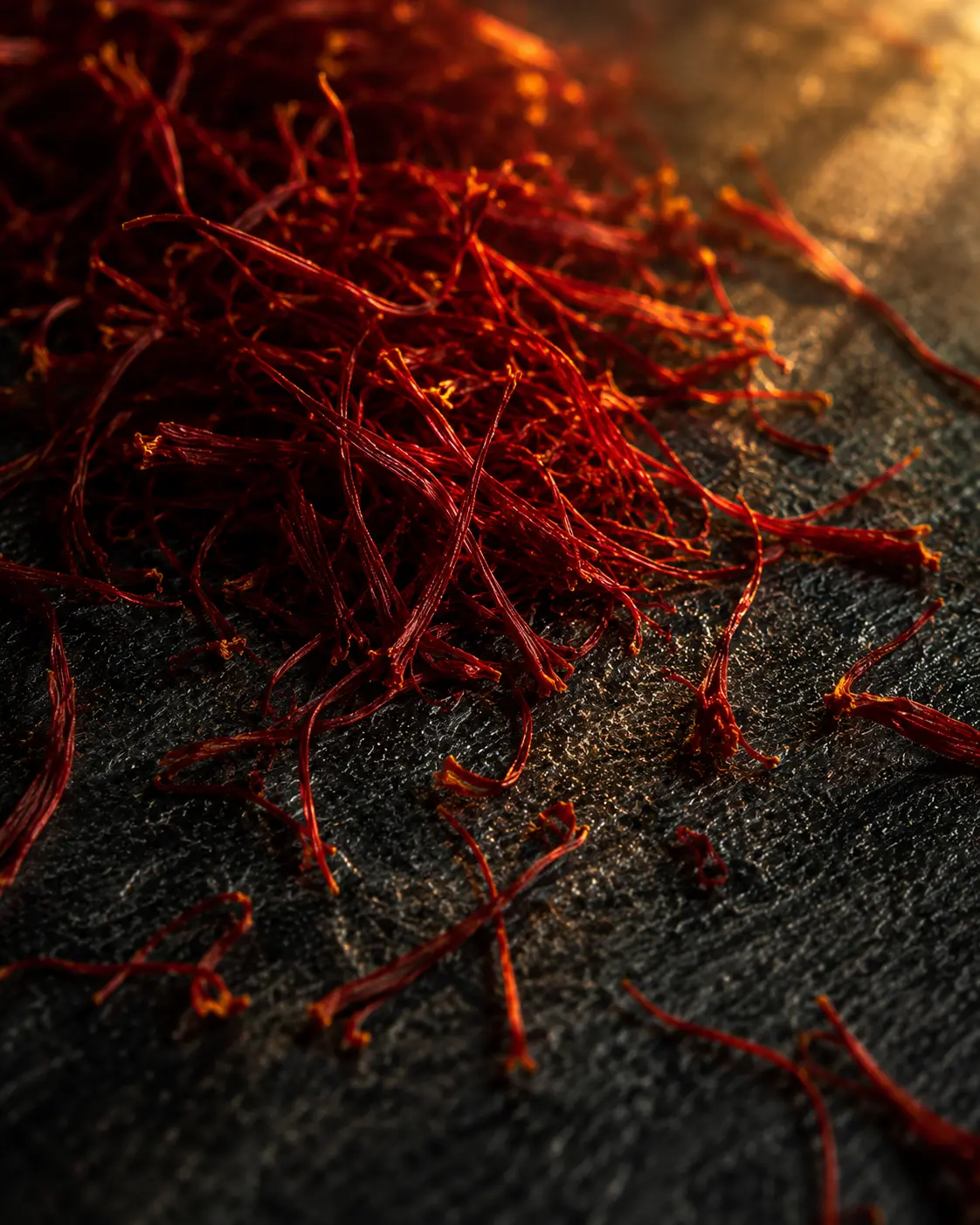
  • ·A small pinch of saffron soaked in 2 tbsp warm water (optional)
  • ·Salt to taste (about 2 tsp)
  • ·500–600 ml hot water or light mutton stock

Waza Tips

  • Use whole soaked Kashmiri chillies ground to a paste rather than powder alone — the paste fries into the oil and gives the true colour without bitterness.
  • Mixed cuts matter: shank gives body to the gravy, ribs give flavour, shoulder gives tender meat. Wazas never use boneless cubes for Rogan Josh.
  • Let the mustard oil smoke and settle before anything goes in; raw mustard oil will dominate every other flavour.
  • The dish is ready when the oil separates and floats — a visual cue, not a timer. If the gravy looks emulsified and matte, keep simmering.
Method
  1. 1

    Heat the mustard oil in a heavy, wide pot until it just begins to smoke and its raw pungency fades, then let it cool for a minute off the heat.

  2. 2

    Add the cloves, green and black cardamom and cinnamon; let them crackle for a few seconds.

  3. 3

    Add the mutton and sear over medium-high heat, turning steadily, until the moisture it releases dries off and the pieces take colour at the edges (roughly 10–12 minutes). Salt it now.

  4. 4

    Lower the heat, push the meat aside and add the Kashmiri chilli paste with a splash of water. Fry, stirring, until the oil takes on a deep red and starts to separate from the paste — the colour of the finished dish is decided here.

  5. 5

    Stir in the garlic paste and cook for a minute, then add the praan paste and the whisked yogurt (if using), stirring briskly so nothing splits.

  6. 6

    Add the fennel powder, dry ginger powder and the mawal water. Pour in the hot water or stock, bring to a simmer, cover and cook gently until the meat is tender and pulling from the bone (45–60 minutes for good mutton), stirring occasionally so nothing catches.

  7. 7

    Uncover and reduce until the gravy clings to the meat and a clear layer of red-tinted oil — the rogan — floats on top. Do not rush this stage; the surfacing oil is the traditional sign the dish is done.

  8. 8

    Finish with garam masala and the saffron water. Rest five minutes, then serve hot.

Common Mistakes
  • ×Adding tomatoes or a heavy browned-onion base — that produces a generic North Indian curry, not Kashmiri Rogan Josh.
  • ×Using hot chilli powder instead of Kashmiri chillies, making the dish fiery but pale.
  • ×Boiling the yogurt in hard, which splits it; it goes in off the boil with brisk stirring.
  • ×Stopping the simmer before the oil separates, leaving a thin, watery gravy.
At Home

A heavy Dutch oven or pressure cooker stands in for the waza's deg — pressure-cook 4 whistles after the chilli stage, then reduce uncovered. If praan is unfindable, fry regular shallots slowly in the same oil and grind them with hot water. Skip mawal rather than substituting food colour; extra Kashmiri chilli paste plus saffron gets you close.

Serving

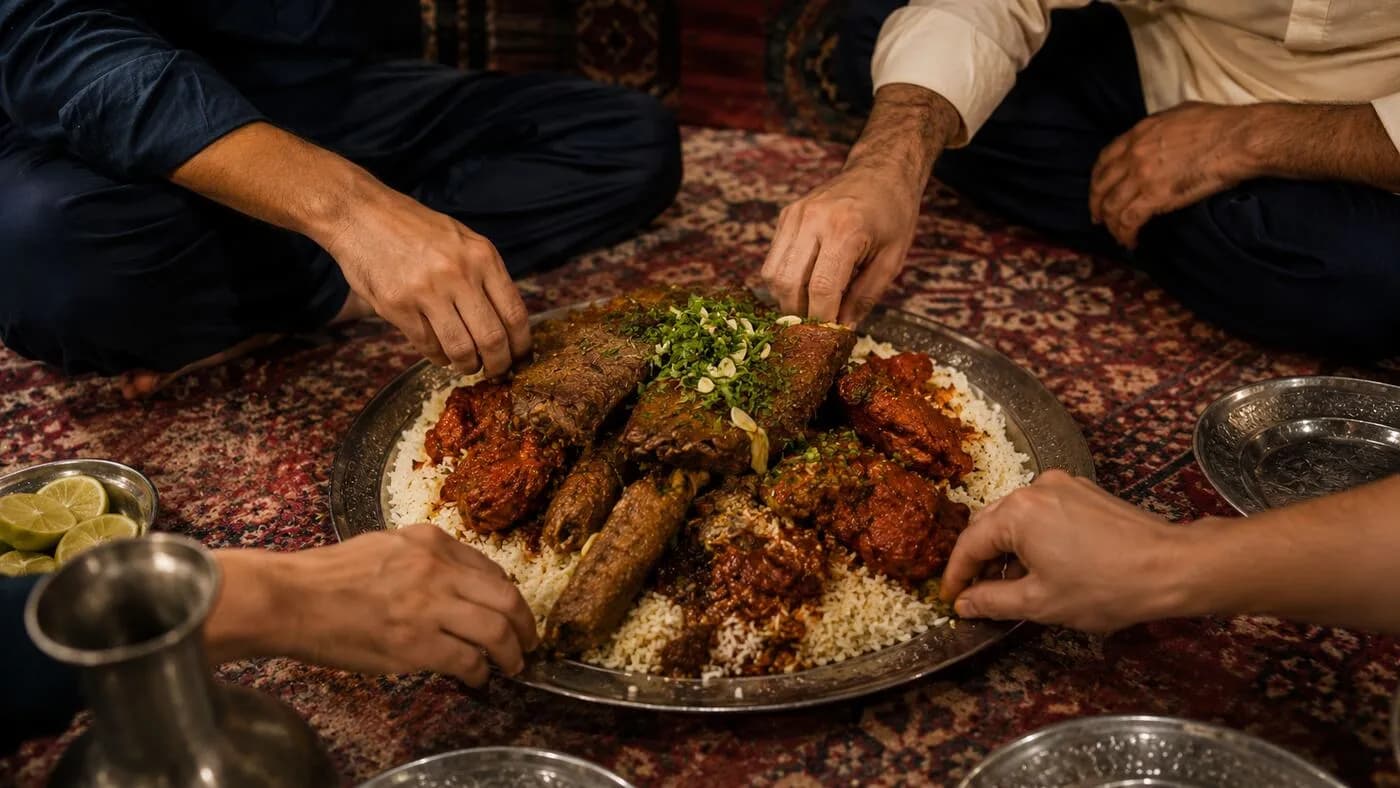
Serve ladled directly over plain steamed rice. In a Wazwan it arrives in the earlier meat courses on the shared trami; at home it needs nothing more than rice and perhaps a raw onion-radish chutney.