SrinagarGood evening.
The Wazwan — Kashmir's royal feast
Wazwan Way · The Royal Feast

The Wazwan.

Thirty-six courses, one copper trami — the feast Kashmir is named for.

Begin the feast
Need help?

Waza is here.

A concierge that has eaten everywhere and slept nowhere — ask it anything about Kashmir.

Wazwan

Seekh Kebab

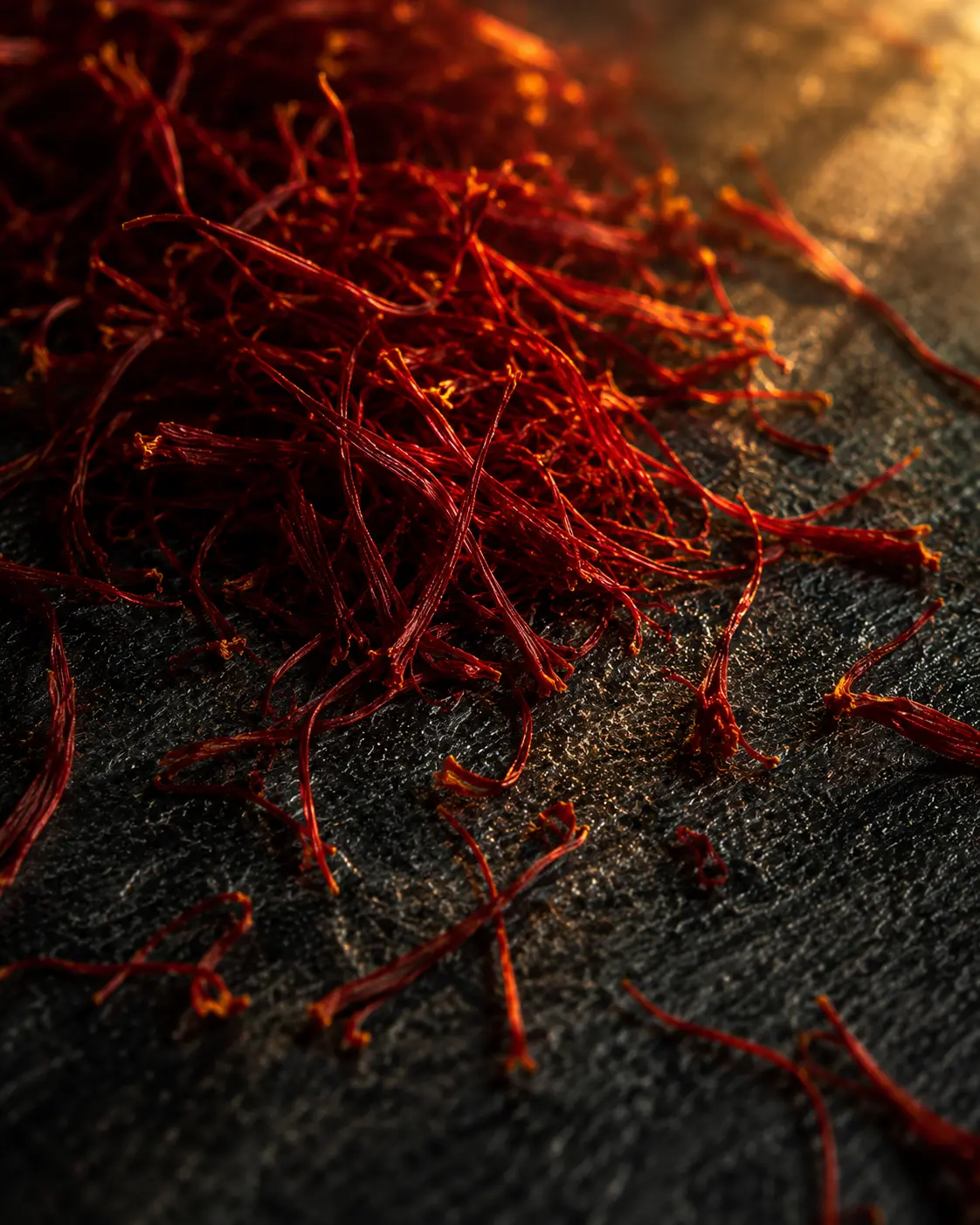
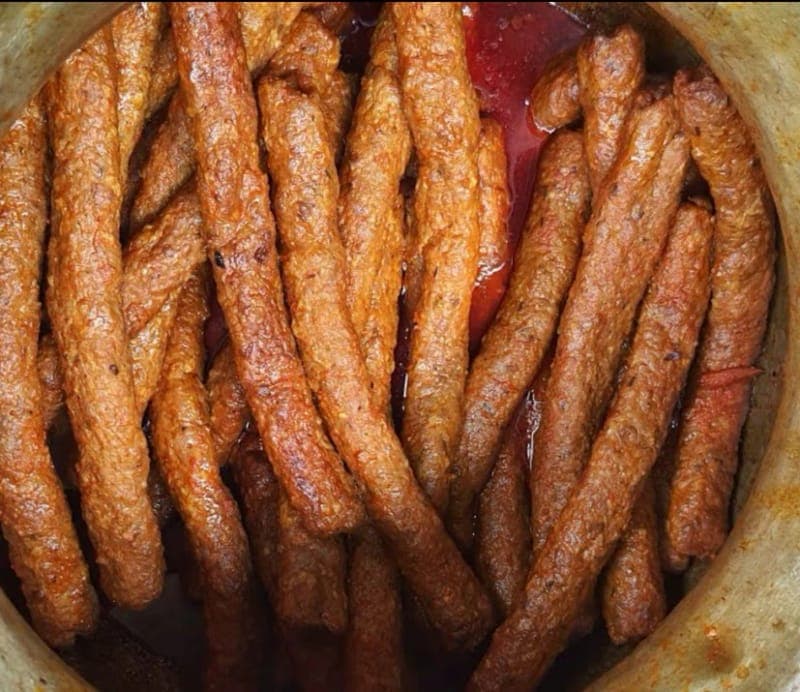
Seekh Kabab is a renowned culinary offering from Kashmir. Made with traditional spices and cooking methods, this non-veg item delivers the deep flavor profile typical of Wazwan cuisine. Perfectly seasoned with spices such as fennel, ginger, and saffron, it represents the rich culinary heritage of the valley.

Non-vegMediumINR 240-4804.1 / 5 popularity★ Traditional Wazwan Course

Waza AI Culinary Authority Scores

Authenticity4.7/5
Tourist Friendliness5/5
Luxury & Comfort4/5
Seekh Kebab
History

Seekh Kebab in Kashmiri tradition

The history of Seekh Kabab stretches back generations, drawing deep influences from local traditions and Central Asian culinary pathways. Historically prepared by master chefs (Wazas) or passed down through domestic households, it has become a true staple of Kashmiri dining. It symbolizes hospitality and celebration, gracing tables during weddings, festivals, and family gatherings.

Tourist Tip

When ordering Seekh Kabab, pair it with warm steamed rice or traditional local bread like Lavas. Ask your hosts about the specific spices used to enhance the flavor.
Where To Try It

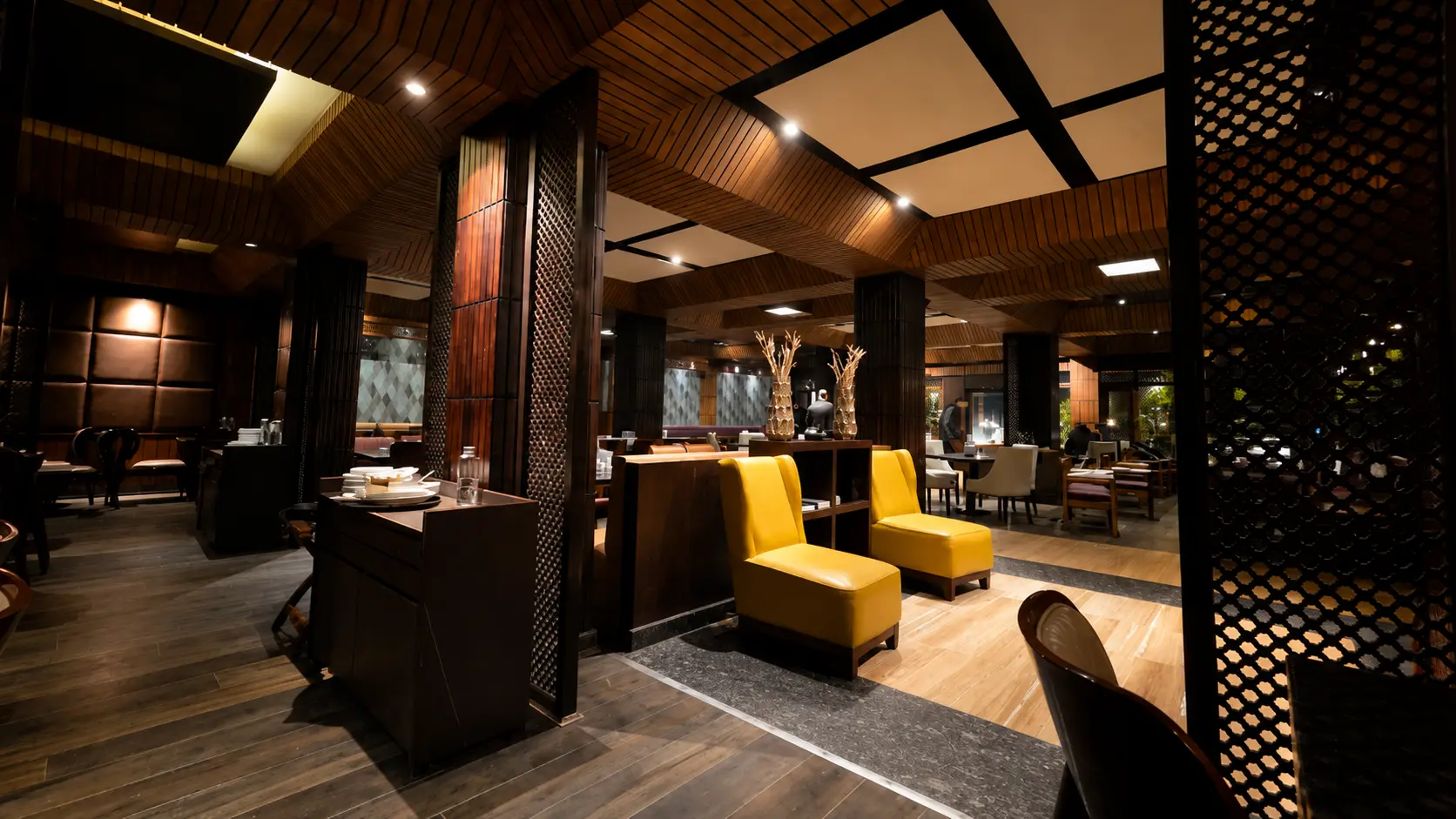
Restaurants serving Seekh Kebab

The Recipe

How to make Seekh Kebab(Seekh Kabab (Waza style))

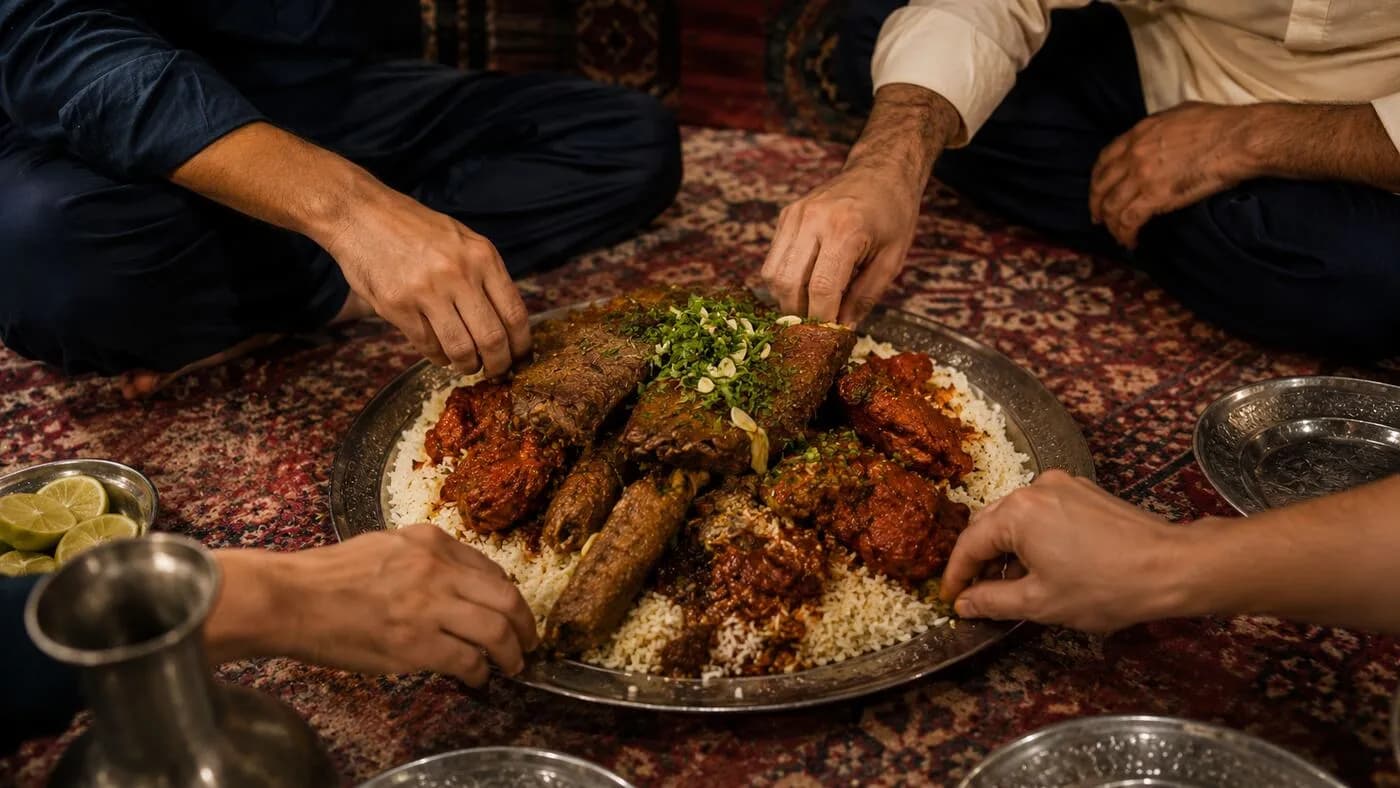
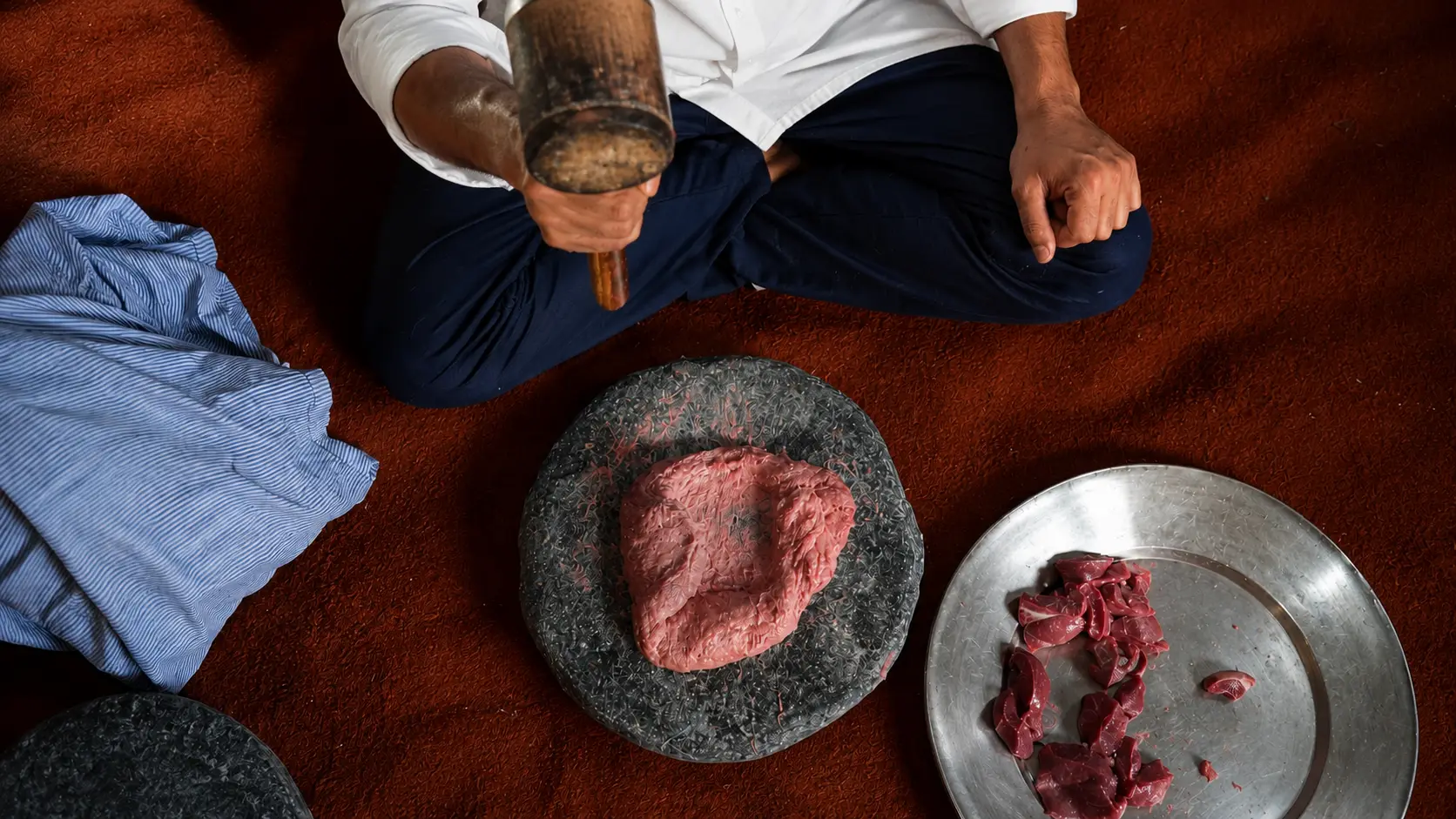
Two seekh kababs lie across the mound of rice on every trami before a Wazwan even begins — long fingers of fennel-scented pounded mutton, pressed onto flat skewers and cooked over charcoal. The waza's seekh is sparer than its Punjabi and Pakistani cousins: no onion crunch, no green chilli bite, just meat, fat and the Kashmiri spice signature.

Prep 35 minCook 23 minServes 4–6 (makes 10–12 kababs)ModerateKashmiri Muslim
Ingredients
  • ·750 g mutton mince from shoulder, fine-ground twice or briefly pounded, with its fat retained (aim for roughly 20% fat)
  • ·50 g mutton fat, minced, if the meat is lean
  • ·2 tsp fennel (saunf) powder
  • ·1.5 tsp dry ginger powder (sonth)
  • ·1/2 tsp ground black cardamom seeds
  • ·1/2 tsp freshly ground black pepper
  • ·1/2 tsp Kashmiri chilli powder (optional — many waza seekhs are pale)
  • ·A small pinch of saffron soaked in 1 tbsp warm milk (optional, for the wedding-style tint)
  • ·1 tbsp ghee, melted, plus more for basting
  • ·1.25 tsp salt
  • ·Flat metal skewers (wide, sword-style if available)

Waza Tips

  • Fat is non-negotiable — a lean seekh crumbles off the skewer and eats dry; wazas keep the mince visibly rich.
  • Knead until sticky; it is the worked meat proteins, not egg or binder, that hold the kabab on the skewer.
  • Keep the mixture cold right up to skewering, and wet your hands so the surface stays smooth.
  • Moderate coals, frequent turning: the Kashmiri seekh is gently coloured, never charred black.
Method
  1. 1

    Chill the mince thoroughly. Combine it with the minced fat, fennel, sonth, black cardamom, pepper, chilli and saffron milk if using, salt and the melted ghee.

  2. 2

    Knead and slap the mixture against the bowl for 5–8 minutes until it turns sticky and cohesive — it should cling to an upturned hand. Rest it, covered and cold, for 20–30 minutes.

  3. 3

    With wet palms, take a ball of mixture, mould it around a flat skewer and press-squeeze it along the length into an even cylinder about 2 cm thick, sealing the ends onto the metal.

  4. 4

    Cook over medium-hot charcoal, turning every couple of minutes and basting with ghee, until evenly browned outside and just cooked through (8–12 minutes) — the kabab should stay juicy, not blister dry. On a stove, cook on a hot tawa or under a grill, turning and basting the same way.

  5. 5

    Rest for two minutes, slide off the skewers whole, and serve hot.

Common Mistakes
  • ×Using lean supermarket mince, the main cause of kababs breaking on the skewer.
  • ×Loading the mix with onion and green chilli, which makes a fine Punjabi seekh but not a waza one.
  • ×Cooking over fierce heat until charred outside and raw within.
  • ×Skipping the kneading and resting, so the kababs slump off the skewer.
At Home

A cast-iron griddle or oven grill setting replicates the tawa method well; thread the kababs on soaked wooden skewers or shape free-form fingers if flat skewers are missing. Ask the butcher for shoulder mince with fat, or add ground lamb fat/butter. Resist adding raw onion or egg — chilling and kneading solve the binding problem the traditional way.

Serving

In the Wazwan, two kababs top the rice on each trami as part of the opening course. On their own, serve hot off the skewer with lavasa or rice and a walnut or mint-yogurt chutney.