SrinagarGood evening.
The Wazwan — Kashmir's royal feast
Wazwan Way · The Royal Feast

The Wazwan.

Thirty-six courses, one copper trami — the feast Kashmir is named for.

Begin the feast
Need help?

Waza is here.

A concierge that has eaten everywhere and slept nowhere — ask it anything about Kashmir.

Wazwan

Tabak Maaz

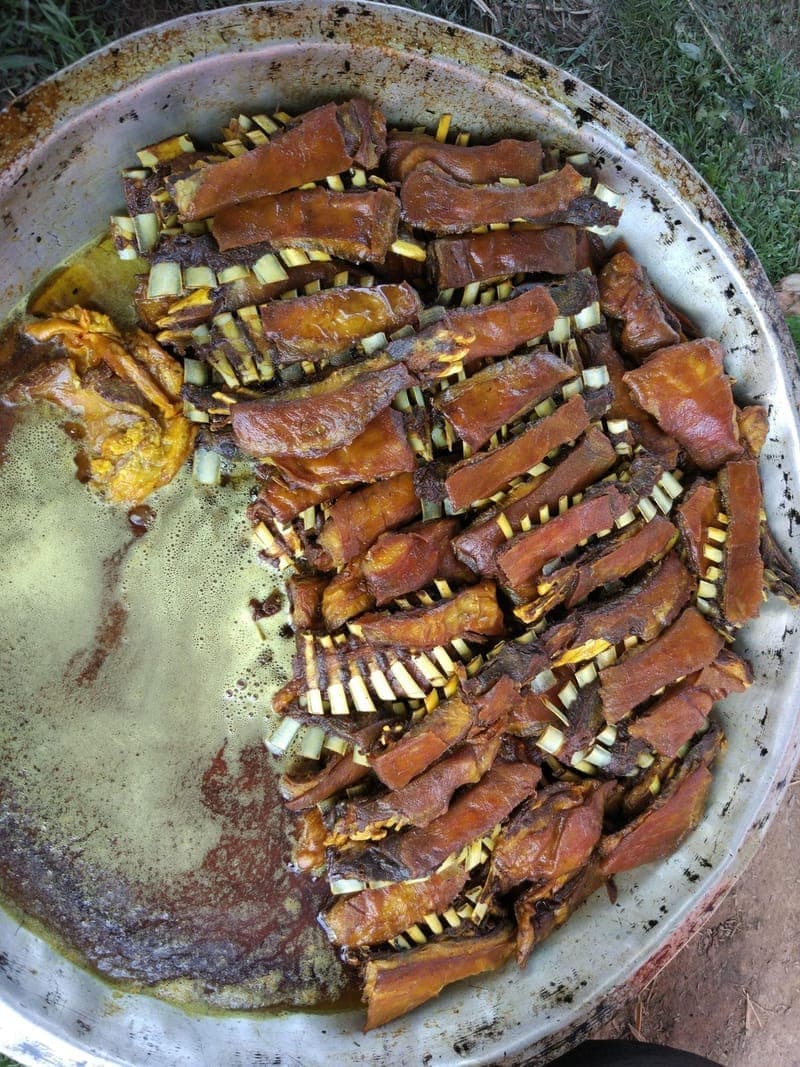
Tabak Maaz is prepared by simmering ribs in milk and spices before shallow frying them until the exterior turns deeply golden and crisp.

Non-vegMediumINR 350-7004.8 / 5 popularity★ Traditional Wazwan Course

Waza AI Culinary Authority Scores

Authenticity5/5
Tourist Friendliness3.5/5
Luxury & Comfort4.5/5
Tabak Maaz
History

Tabak Maaz in Kashmiri tradition

Tabak Maaz traces its roots back to Central Asian and Persian culinary techniques, adapting them to the local ingredients of the Kashmir valley. The process of slow-simmering the lamb ribs in a bath of milk and aromatic spices before flash-frying them to a crisp golden brown was historically a way to tenderize tougher cuts while ensuring a rich, decadent finish. It became a prized appetizer in royal Kashmiri feasts, admired for perfectly balancing the delicacy of the tender inner meat with the rich, smoky crispness of the exterior.

Tourist Tip

Best enjoyed hot as a shared starter. Pair it with noon chai or order it before a larger Wazwan meal.
Where To Try It

Restaurants serving Tabak Maaz

Ahdoos

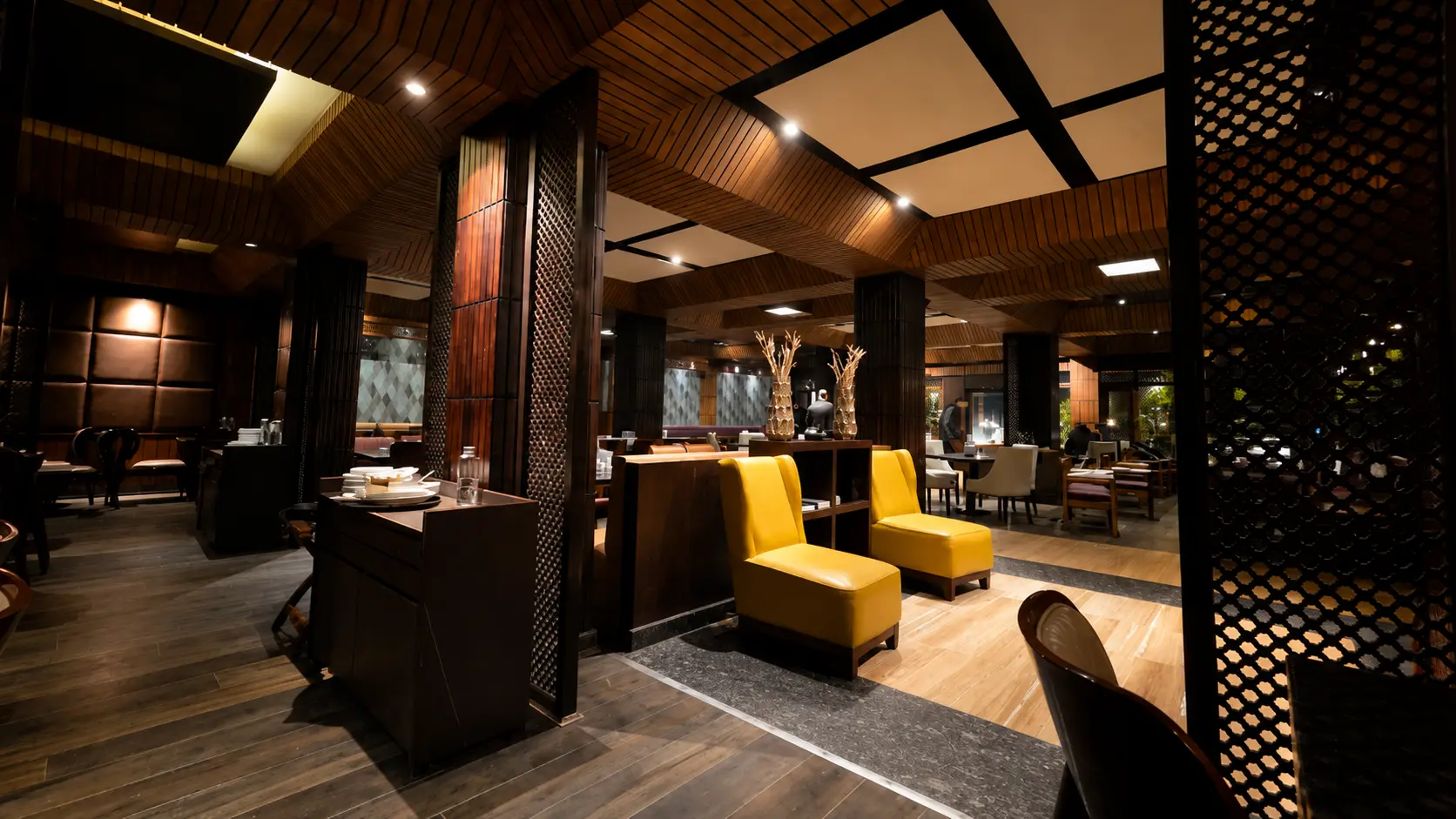
Ahdoo's Hotel, Residency Road, Regal Chowk, Srinagar, Jammu and Kashmir 190001

View ->
The Recipe

How to make Tabak Maaz(Tabak Maaz)

Ribs with their fat cap left on, simmered in spiced, turmeric-tinted milky broth until the meat barely holds the bone, then fried in ghee until the surface is lacquered and crisp. Tabak Maaz is the Wazwan's great textural dish — crackling outside, melting inside — and one of the few served dry, eaten with the fingers.

Prep 18 minCook 88 minServes 4–6InvolvedShared (variants noted)
Ingredients
  • ·1 kg lamb or mutton breast/rib pieces, cut into oblong flats roughly 5 x 10 cm, each with 2–3 rib bones, fat layer and membrane intact
  • ·500 ml water
  • ·250 ml milk
  • ·1 tsp turmeric
  • ·1.5 tsp fennel (saunf) powder
  • ·1 tsp dry ginger powder (sonth)
  • ·3 green cardamom pods and 1 black cardamom pod, bruised
  • ·2 cloves
  • ·1 small stick cinnamon
  • ·A pinch of asafoetida (hing) — Pandit style — or 1 tsp garlic paste in Muslim household versions
  • ·1.5 tsp salt
  • ·100–150 g ghee, for frying
  • ·Optional Kabargah-style batter: 150 g yogurt whisked with 1 tsp Kashmiri chilli powder, 1/2 tsp garam masala and a pinch of salt

Waza Tips

  • Buy the ribs as flat oblongs with the fat cap intact; without the fat layer there is nothing to crisp and the dish loses its identity.
  • Simmer until the liquid is gone rather than draining early — the milk solids left clinging to the meat are what caramelise in the ghee.
  • Fry in ghee, not oil; the flavour of browned ghee is half the dish.
  • Serve straight from the pan. Held tabak maaz turns leathery within the hour.
Method
  1. 1

    Put the rib pieces in a wide pot with the water, milk, turmeric, fennel powder, ginger powder, cardamoms, cloves, cinnamon, hing (or garlic) and salt.

  2. 2

    Bring to a gentle boil, then simmer partly covered, turning occasionally, until the meat is fully tender and the liquid has almost entirely been absorbed and evaporated (45–60 minutes). The ribs should hold their shape but offer no resistance to a knife.

  3. 3

    Lift the ribs out carefully and let them cool and dry on a plate for a few minutes — a dry surface is what fries crisp. Any spoonful of leftover braising liquid can be strained and saved for soup.

  4. 4

    Heat the ghee in a wide, heavy pan over medium heat. Fry the rib pieces in batches, fat-side down first, without crowding, until each side is deep golden and the fat layer is crisped and blistered (4–6 minutes per side).

  5. 5

    For the Kabargah-style variant, dip each boiled rib piece in the spiced yogurt batter before frying in slightly deeper ghee until browned.

  6. 6

    Drain briefly and serve immediately, piping hot — Tabak Maaz waits for no one.

Common Mistakes
  • ×Trimming off the fat cap, which is the entire point of the dish.
  • ×Frying wet ribs straight from the broth, so they steam and stay flabby instead of crisping.
  • ×Overcrowding the pan, dropping the ghee temperature.
  • ×Letting them sit after frying; the crisp window is short.
At Home

Ask the butcher for breast-of-lamb or rib flats cut across the bones. A pressure cooker shortens the braise (2–3 whistles, then reduce open until dry). If frying feels heavy, the boiled ribs also crisp well under a hot grill or in an air fryer brushed generously with ghee — unorthodox, but the result is close.

Serving

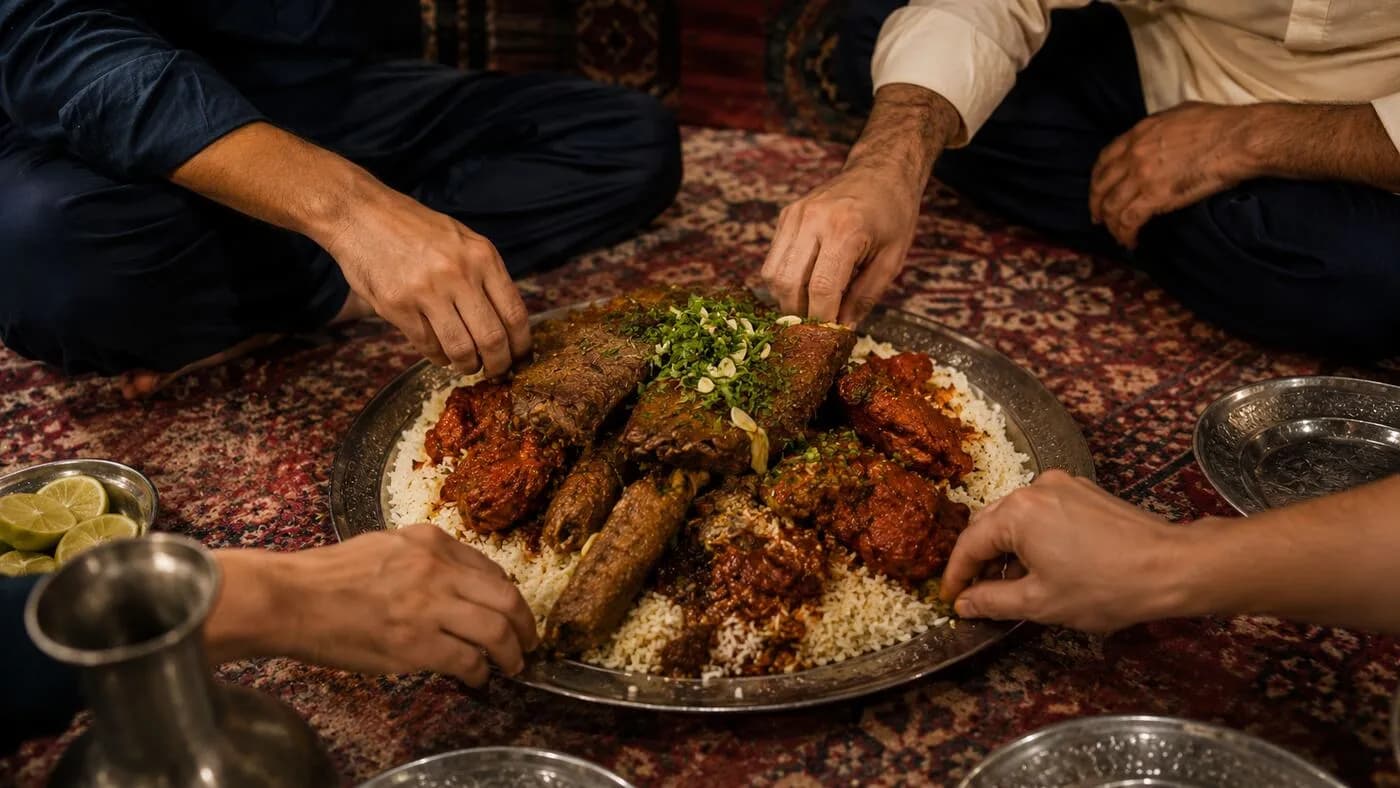
In the Wazwan it is among the first items on the trami, eaten with the fingers alongside rice and chutney. It also works as a stand-alone starter — two rib pieces per person with lemon and onion.