SrinagarGood evening.
The Wazwan — Kashmir's royal feast
Wazwan Way · The Royal Feast

The Wazwan.

Thirty-six courses, one copper trami — the feast Kashmir is named for.

Begin the feast
Need help?

Waza is here.

A concierge that has eaten everywhere and slept nowhere — ask it anything about Kashmir.

Wazwan

Waza Kokur

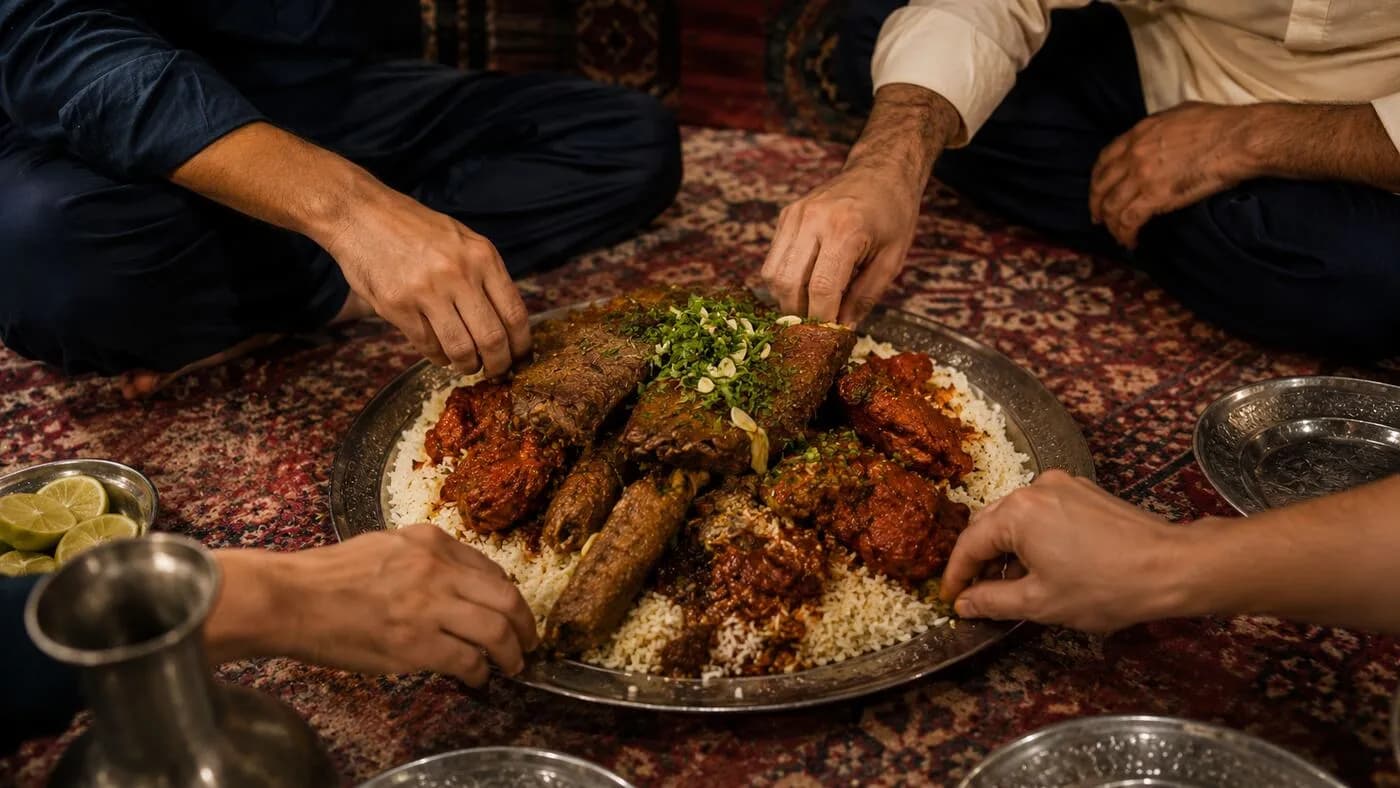
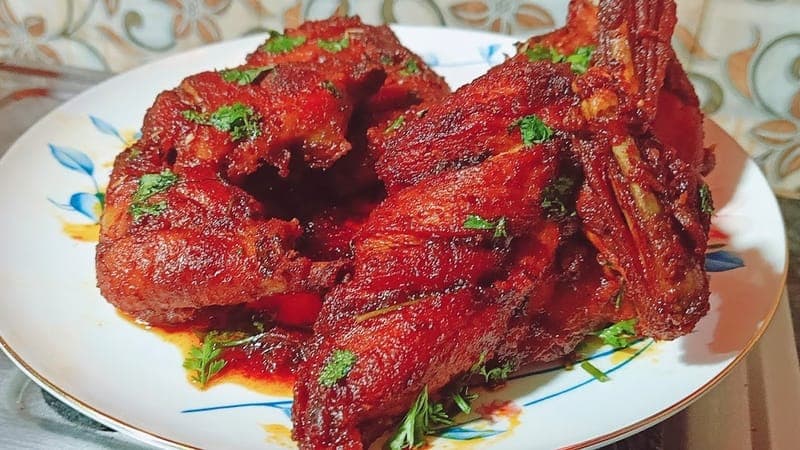
Waza Kokur is a ceremonial chicken course in Wazwan, often served as halves or as whole birds cooked in the elaborate style of the master Waza. It adds variety to the broader meat-heavy progression of the feast.

Non-vegMediumINR 380-7004 / 5 popularity★ Traditional Wazwan Course

Waza AI Culinary Authority Scores

Authenticity3.8/5
Tourist Friendliness4.4/5
Luxury & Comfort3/5
Waza Kokur
History

Waza Kokur in Kashmiri tradition

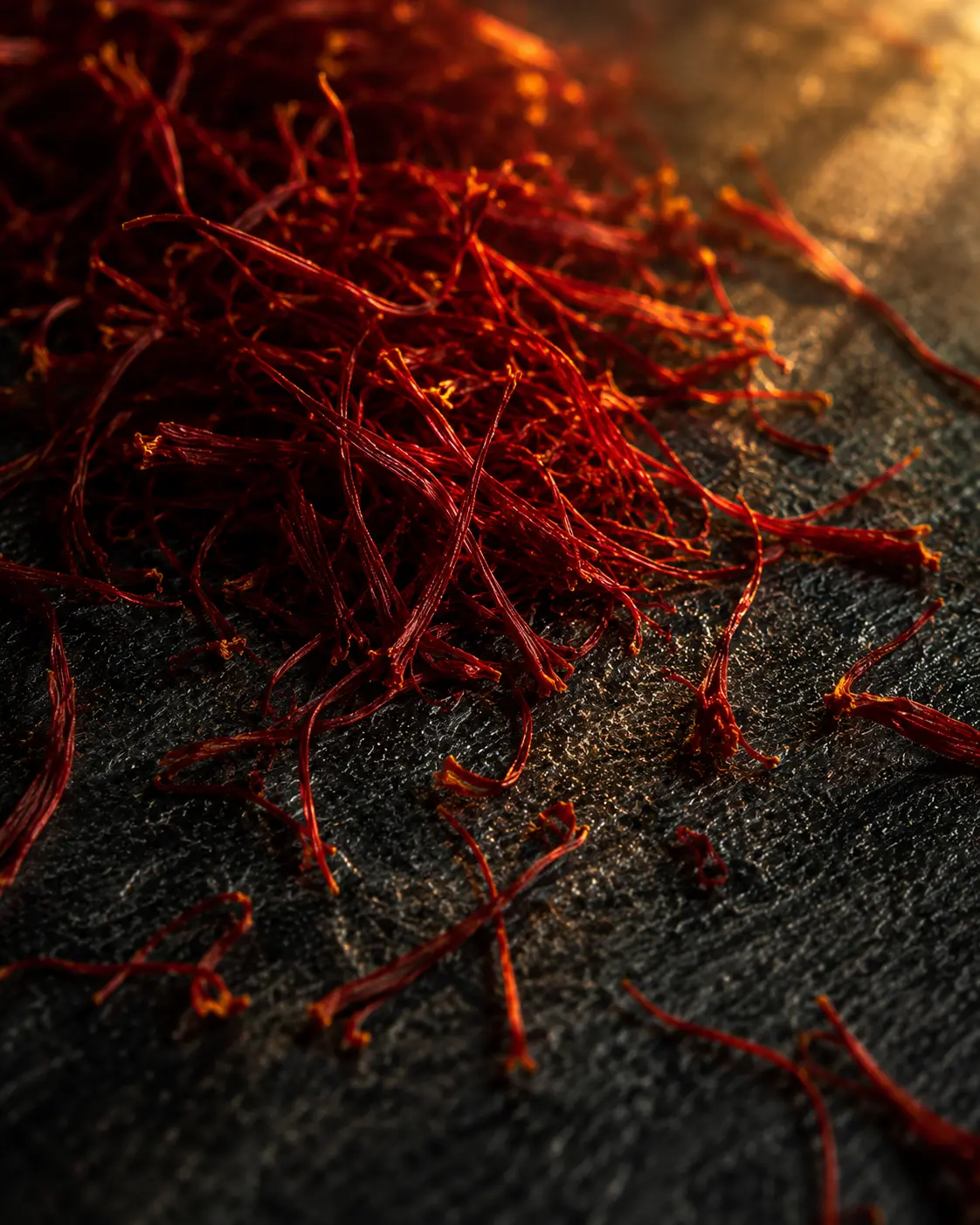
While lamb and mutton heavily dominate the Wazwan feast, Waza Kokur was introduced to add variety and a lighter protein option to the elaborate sequence of courses. The traditional preparation of this chicken dish involves cooking whole halves of the bird in a delicately spiced, saffron-infused gravy, a technique perfected by the master Wazas over centuries. It highlights the adaptability of Kashmiri feast cooking, ensuring that even within a rigid, historic culinary structure, there is a balanced progression of flavors and textures for the guests.

Tourist Tip

A good choice if you want something more approachable than lamb-heavy dishes while still staying within the structure of a true Wazwan meal.
Where To Try It

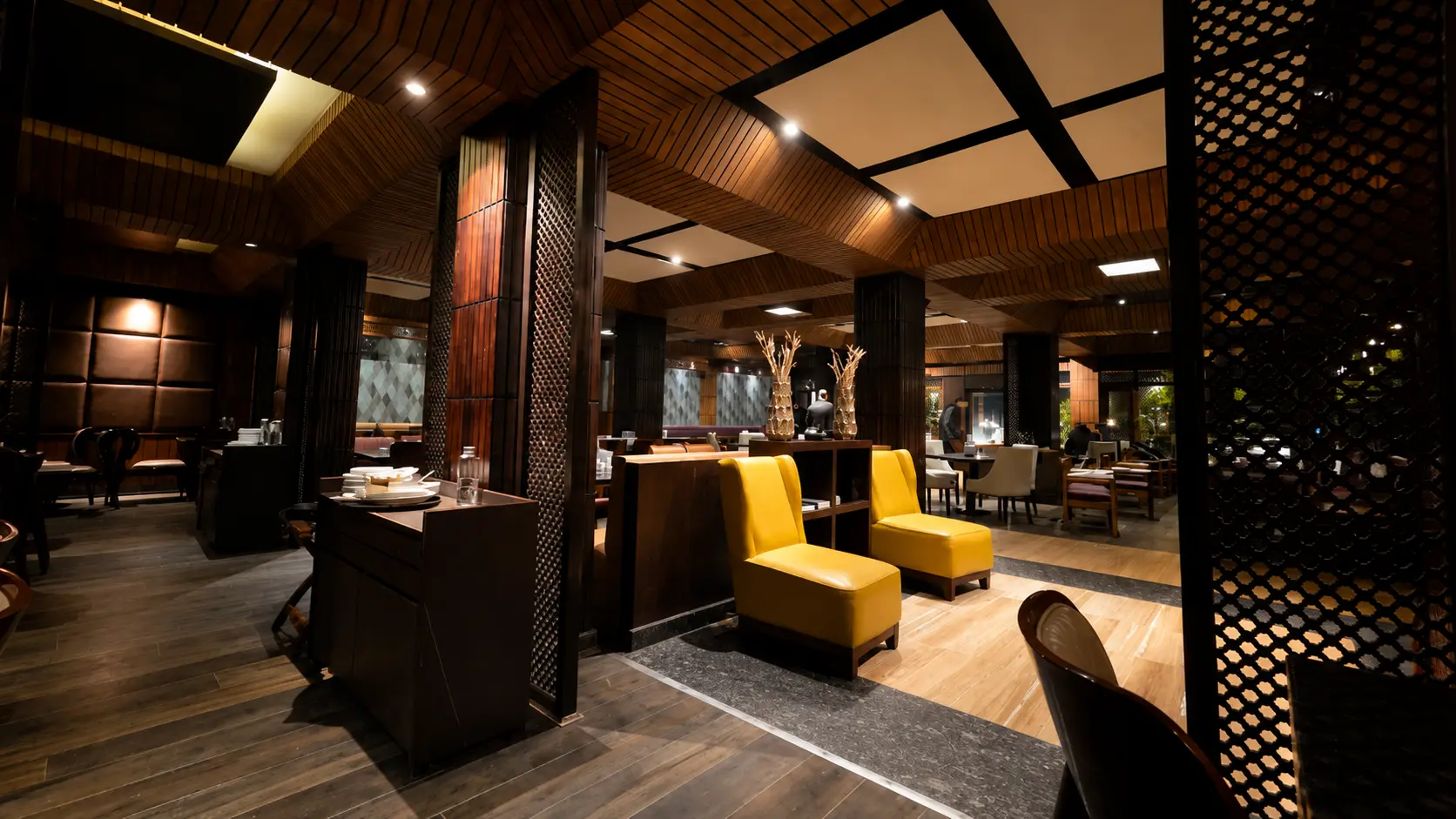
Restaurants serving Waza Kokur

The Recipe

How to make Waza Kokur(Dum Kokur)

Bone-in chicken marinated in yogurt, fennel and Kashmiri chilli, then cooked down slowly under a lid — on dum — until the moisture concentrates and the oil rises through a clinging red-gold masala. It is the chicken dish Kashmiris make when they want depth rather than delicacy.

Prep 23 minCook 53 minServes 4ModerateShared (variants noted)
Ingredients
  • ·1 kg bone-in chicken, cut into large pieces
  • ·For the marinade: 150 g full-fat yogurt, whisked
  • ·2 tsp Kashmiri red chilli powder (colour-forward, mild)
  • ·2 tsp fennel powder
  • ·1 tsp dried ginger powder (sonth)
  • ·1/2 tsp turmeric
  • ·2 tsp ginger-garlic paste (Pandit-style: use crushed fresh ginger only, no garlic)
  • ·1.5 tsp salt, or to taste
  • ·For the pot: 4 tbsp mustard oil
  • ·1 medium onion, finely sliced
  • ·1 bay leaf
  • ·1 piece cinnamon (about 3 cm)
  • ·4 cloves
  • ·4 green cardamom pods, crushed
  • ·2 black cardamom pods, crushed
  • ·1 tsp roasted cumin powder
  • ·1/2 tsp garam masala (to finish)

Waza Tips

  • The dish is ready when you see oil, not when the clock says so — 'tel upar aana' (oil rising) is the only doneness test that matters.
  • Marinate in yogurt long enough for the fennel and sonth to penetrate; a rushed 20-minute marinade gives a coated chicken, not a seasoned one.
  • Seal the lid with a rope of atta dough for a truer dum if your lid is loose.
  • Use Kashmiri chilli generously and hot chilli sparingly — the target is a deep brick colour with gentle warmth.
Method
  1. 1

    Whisk together all the marinade ingredients, coat the chicken thoroughly and set aside for at least 2 hours (refrigerated), ideally 3.

  2. 2

    Heat the mustard oil in a heavy, lidded pot until its rawness cooks off. Add the bay leaf, cinnamon and cloves and let them crackle.

  3. 3

    Add the sliced onion and fry over medium heat, stirring, until evenly golden brown (roughly 8–10 minutes) — this is the body of the gravy, so take it to true colour without burning.

  4. 4

    Add the marinated chicken along with every scrap of the marinade. Sear over medium-high heat for 5–6 minutes, turning, until the masala clings and the yogurt's raw smell cooks off.

  5. 5

    Stir in the roasted cumin powder and both crushed cardamoms. Add about 250 ml of water, scrape the base, and bring to a simmer.

  6. 6

    Cover with a tight lid, drop the heat to low, and cook on dum for 25–30 minutes, disturbing it only once or twice, until the chicken is completely tender.

  7. 7

    Uncover and simmer gently until the gravy tightens around the chicken and the oil separates and pools at the edges — the visual signal that the dum has done its work (roughly 8–10 minutes).

  8. 8

    Dust with garam masala, cover for a final 2 minutes off the heat, and serve.

Common Mistakes
  • ×Lifting the lid repeatedly during the dum stage, venting the steam that is supposed to do the cooking.
  • ×Pale, undercooked onions, which leave the gravy watery and sweet in the wrong way.
  • ×Using hot red chilli in Kashmiri-chilli quantities and scorching the dish.
  • ×Stopping before the oil separates, which leaves the masala tasting raw.
At Home

Any heavy lidded pot or Dutch oven delivers a respectable dum; in a pinch, finish the covered stage in a 160°C oven for even, unattended heat. If mustard oil is unavailable, use ghee — the dish tolerates richness better than the yakhni family does. Bone-in thighs and drumsticks alone work better than breast, which dries out during the dum.

Serving

Serve with plain rice or Kashmiri girda bread. It sits well next to a white dish — Kokur Yakhni or a raita — that offsets its depth.