Book in Advance
A full Wazwan is often prepared overnight, so call ahead if you want the ceremonial feast experience rather than a standard menu order.


A royal feast that traces its origins back to the 14th century, blending Central Asian, Persian, and indigenous Kashmiri culinary traditions.
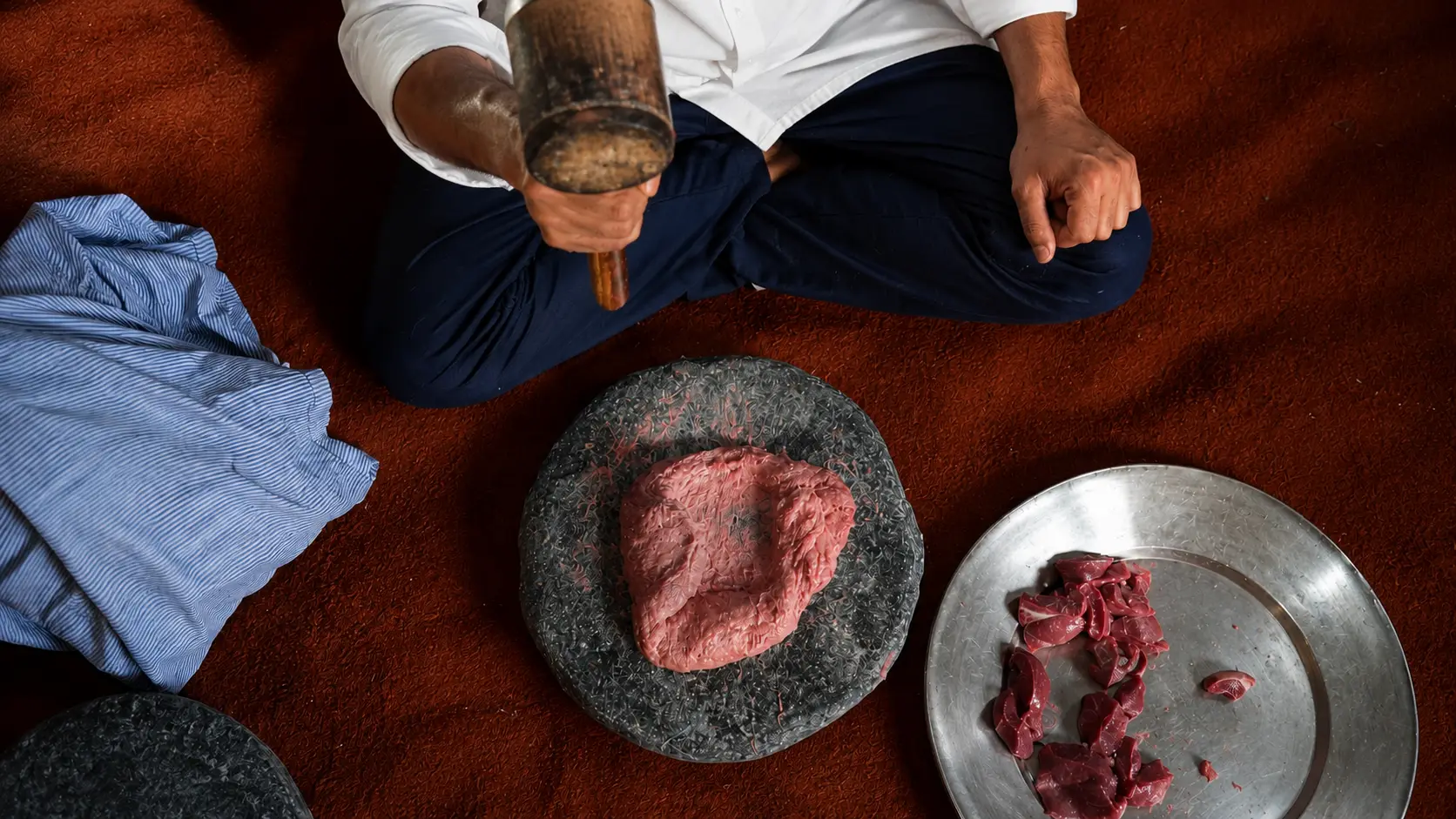
The origins of Wazwan are often traced back to the late 14th century when the Mongol ruler Timur invaded India. It is believed that he brought skilled cooks, woodcarvers, and weavers from Samarkand to the Kashmir Valley.
These master chefs, known as Wazas, passed down their recipes and techniques through generations, giving birth to what we now know as the royal Wazwan.

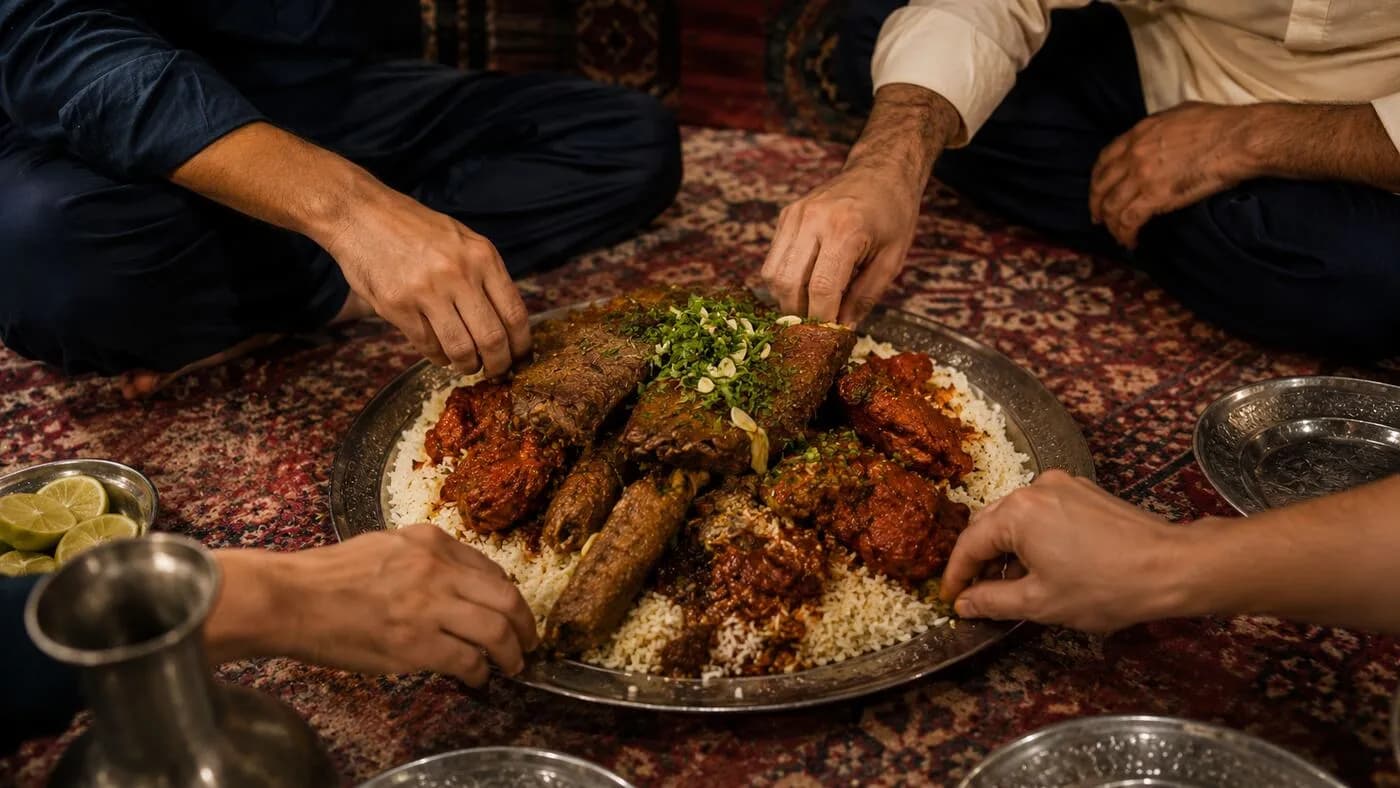
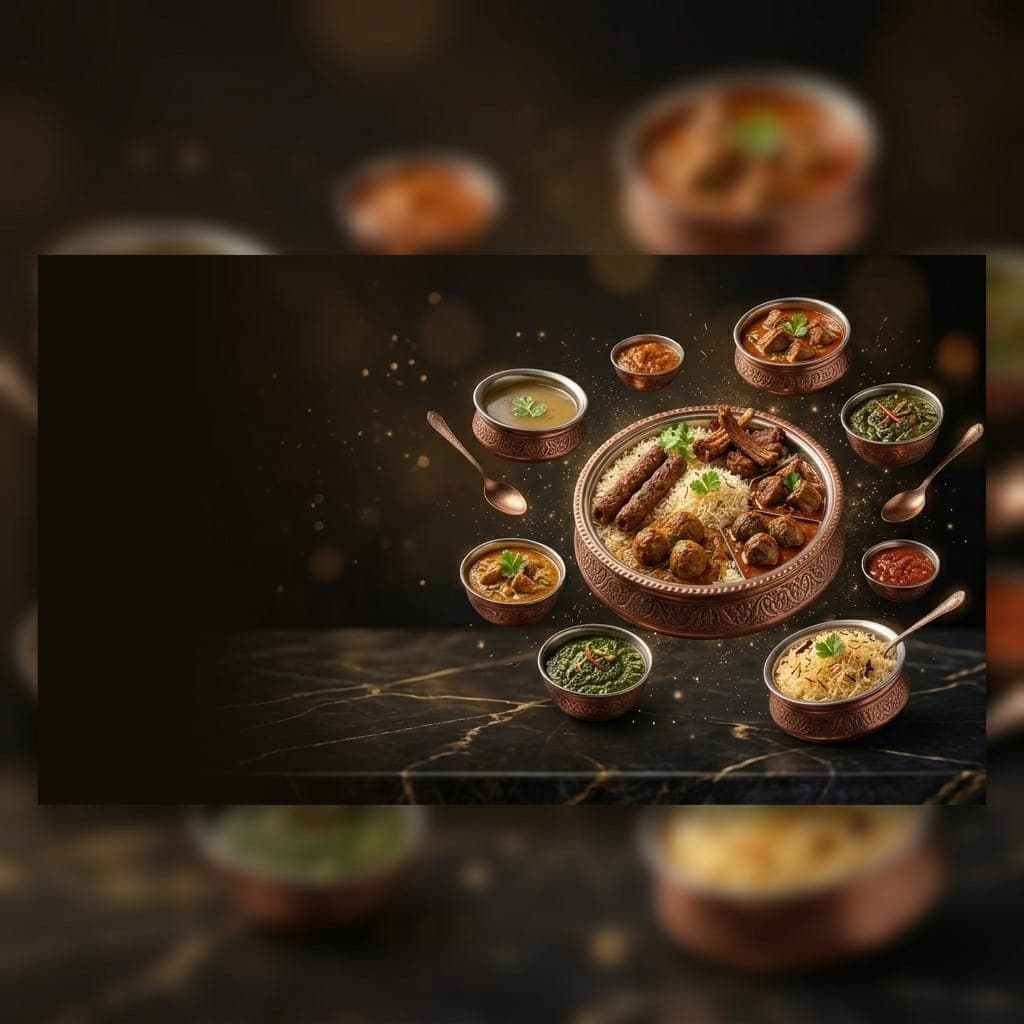
Wazwan is traditionally served in a large, elaborately engraved copper platter called a Traami. Groups of four gather around a single Traami, symbolizing unity, brotherhood, and communal harmony.
Before the feast begins, the ritual of Tash-t-Naari is performed, where guests wash their hands using a portable copper basin and jug brought around by attendees.
A traditional royal Wazwan comprises 36 courses, out of which between 15 to 30 can be meat-based. The dishes are served in a specific sequence, beginning with dry items like Seekh Kabab and Tabak Maaz, and culminating with the rich, yogurt-based Gushtaba, which marks the end of the meal.
Find restaurants, discover dishes, and plan your Kashmir food journey.

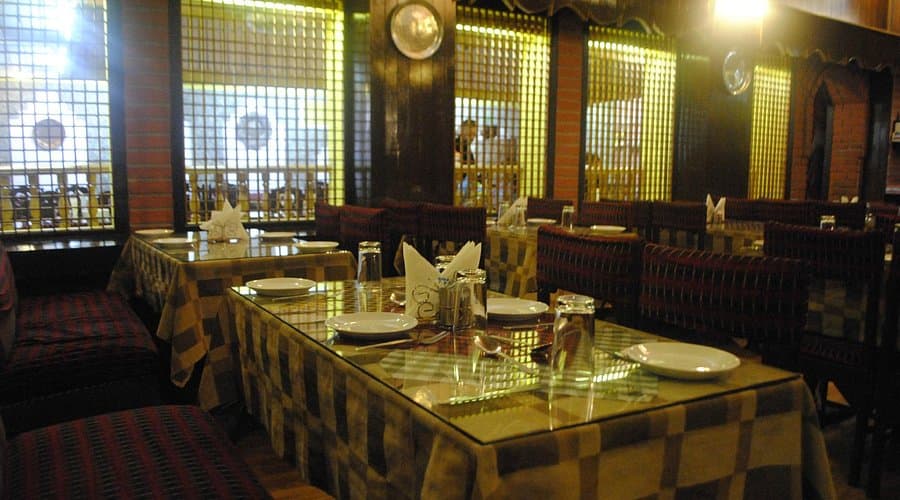
Curated from Residency Road, Dal Lake, and Srinagar's most prestigious dining rooms.
Handpicked dining experiences representing the finest flavors and uncompromising luxury of Kashmir.
A cinematic journey through the dishes that define Kashmir's grandest culinary tradition.
"To be invited to a Wazwan is to be welcomed into someone's heart. The feast is not cooked, it is composed like music."
A Kashmiri Elder, SrinagarWazwan is a 36-course royal feast from Kashmir, cooked by master chefs called Wazas. Every dish tells a story of culture, fire, and hospitality.
Everything you should know before you sit at the trami.
A full Wazwan is often prepared overnight, so call ahead if you want the ceremonial feast experience rather than a standard menu order.
Wazwan is best enjoyed in a group. The shared trami experience makes the meal feel cultural, social, and complete.
If you are new to Kashmiri food, begin with Rogan Josh, Gushtaba, Rista, and Tabak Maaz before branching into rarer specialties.
Dishes like Gushtaba are traditionally served at the end of a Wazwan, so knowing the order makes the experience far more immersive.
Some restaurants are polished for tourists, while others preserve older cooking styles. Use the authenticity notes in the app.
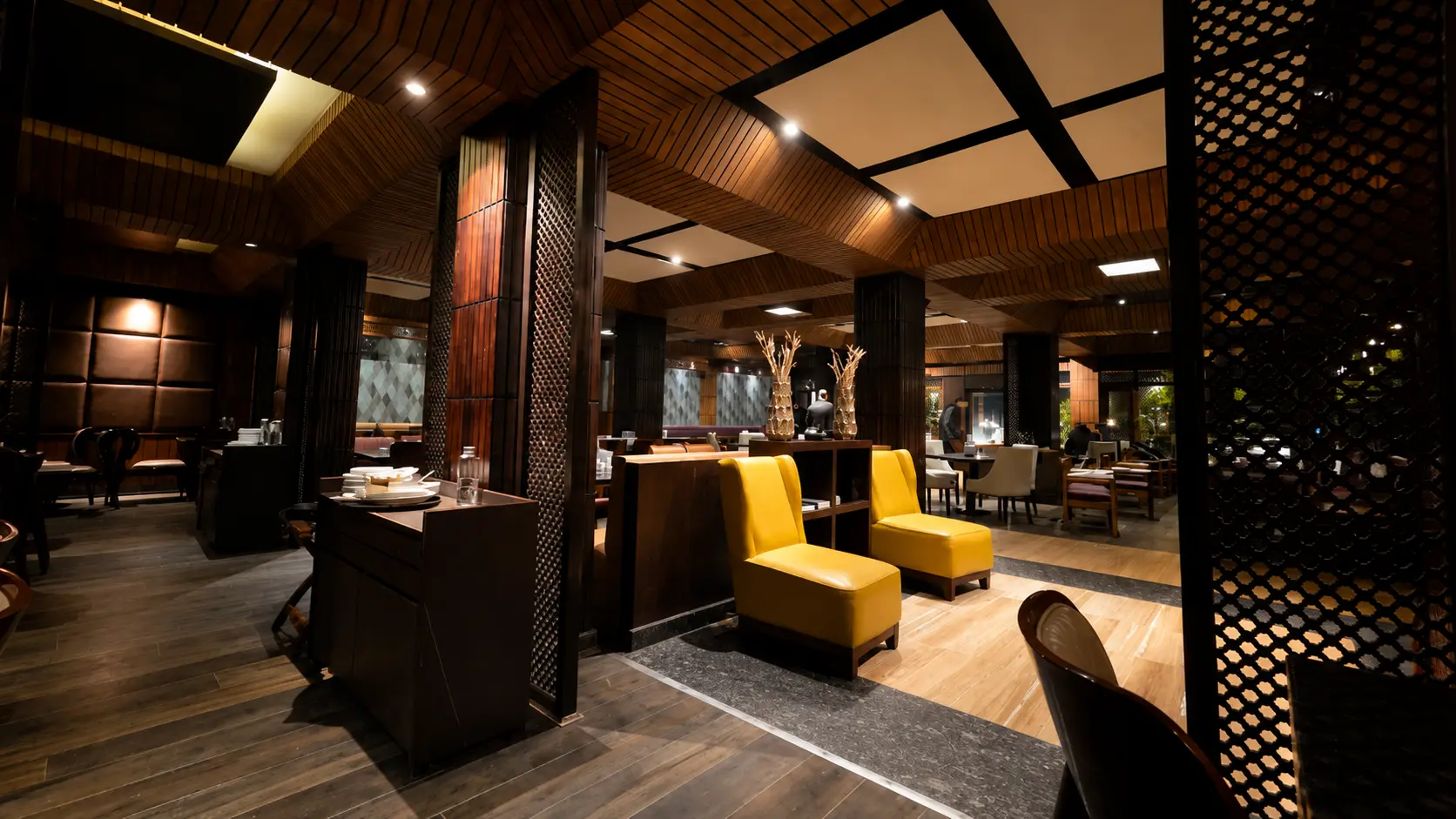
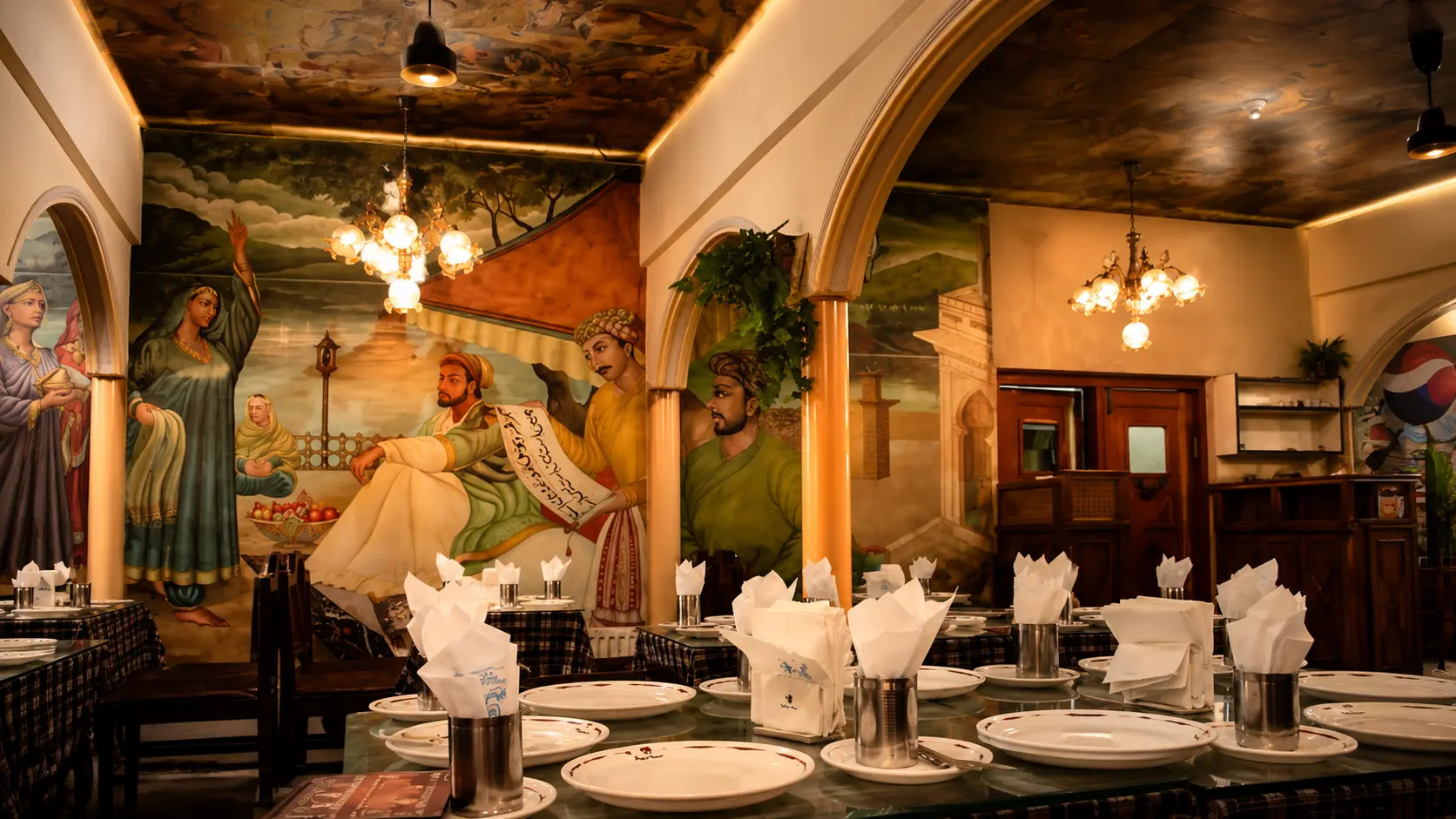
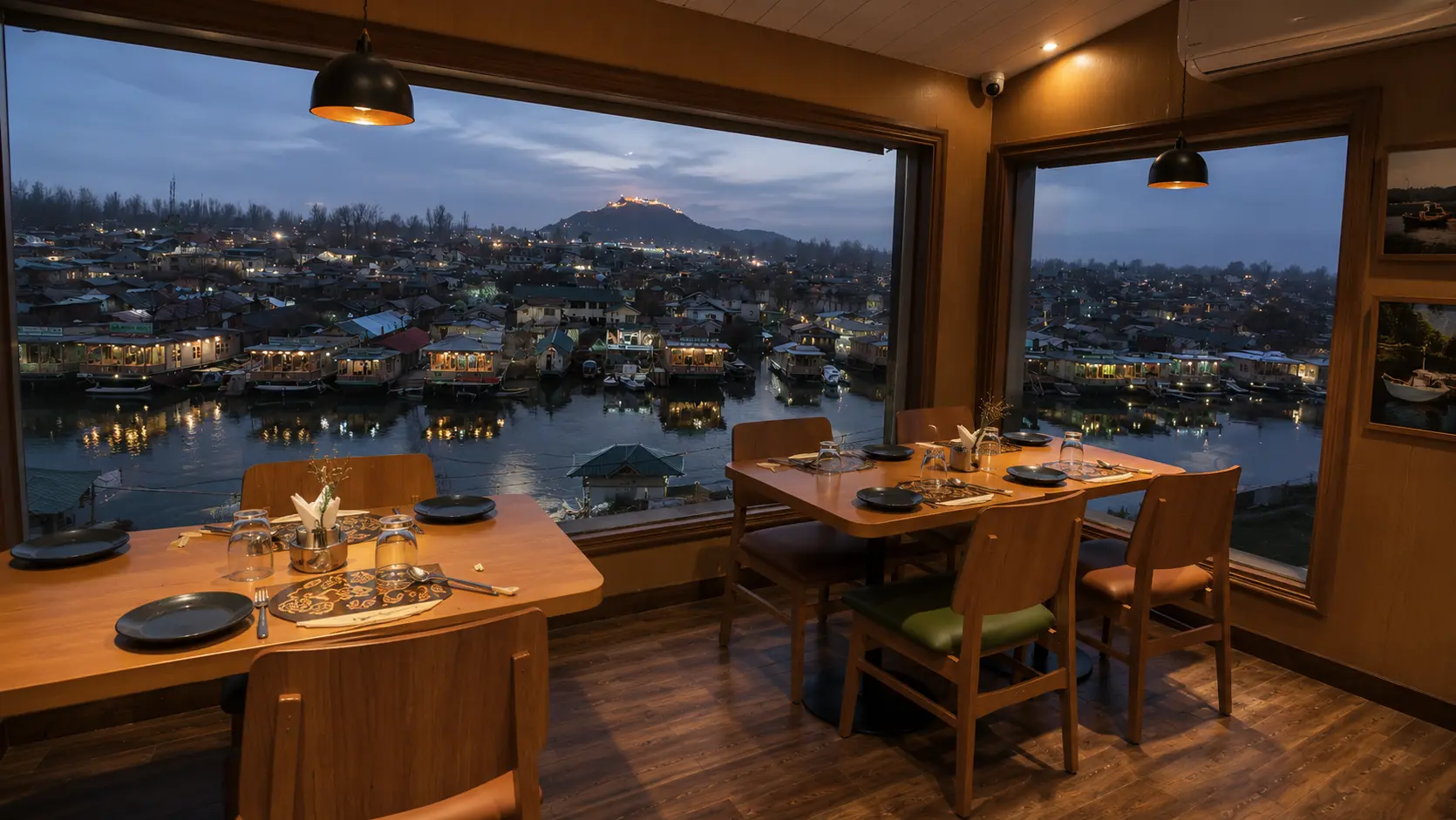
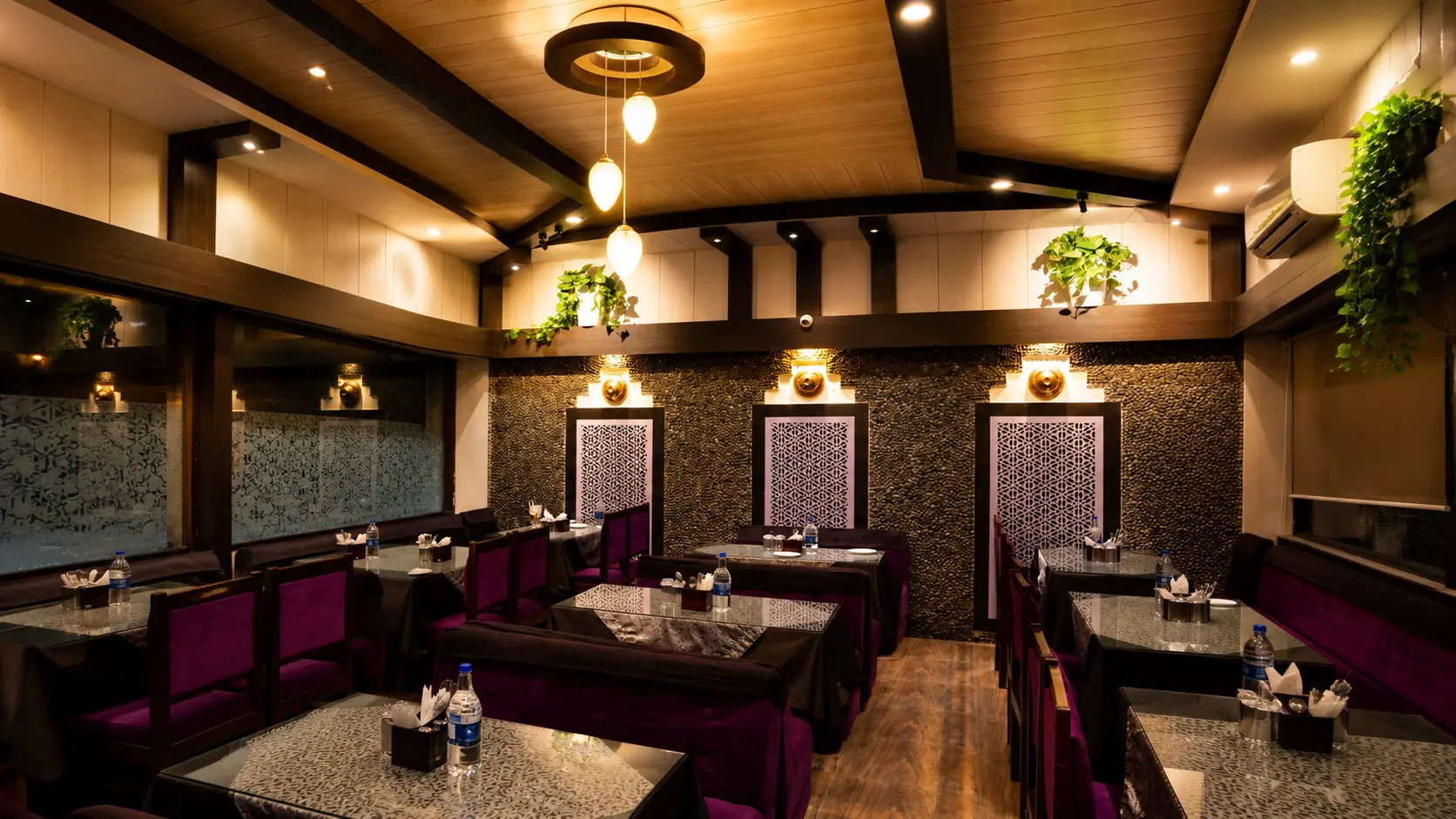
A Dal Lake setting, an old city dining hall, and a heritage restaurant each create a very different mood around the same dish.
Plan Your Visit
Browse all dishes, discover every restaurant listing, save favorites, and build your Kashmir food trail.

A royal feast that traces its origins back to the 14th century, blending Central Asian, Persian, and indigenous Kashmiri culinary traditions.
The origins of Wazwan are often traced back to the late 14th century when the Mongol ruler Timur invaded India. It is believed that he brought skilled cooks, woodcarvers, and weavers from Samarkand to the Kashmir Valley.
These master chefs, known as Wazas, passed down their recipes and techniques through generations, giving birth to what we now know as the royal Wazwan.


Wazwan is traditionally served in a large, elaborately engraved copper platter called a Traami. Groups of four gather around a single Traami, symbolizing unity, brotherhood, and communal harmony.
Before the feast begins, the ritual of Tash-t-Naari is performed, where guests wash their hands using a portable copper basin and jug brought around by attendees.
A traditional royal Wazwan comprises 36 courses, out of which between 15 to 30 can be meat-based. The dishes are served in a specific sequence, beginning with dry items like Seekh Kabab and Tabak Maaz, and culminating with the rich, yogurt-based Gushtaba, which marks the end of the meal.