Wazwan vs Mughlai Cuisine: Understanding the Differences
Because Kashmiri Wazwan and Mughlai cuisine both share historical roots in Central Asia and Persia, and because both are renowned for their elaborate meat dishes, they are often confused by outsiders.
Many restaurants outside of Kashmir blur the lines, serving heavy Mughlai curries and calling them Wazwan. However, to a culinary historian—and certainly to a Kashmiri—the two cuisines are vastly different in their ingredients, techniques, and underlying philosophies.
The Historical Divergence
Mughlai Cuisine evolved in the imperial kitchens of the Mughal Empire in cities like Delhi, Agra, and Lahore. It is a cuisine of the plains, heavily influenced by the extreme wealth of the emperors, leading to the generous use of heavy creams, extensive dry fruits, and complex, thick gravies.
Wazwan developed in the isolated, mountainous Kashmir Valley. While it was influenced by the same Central Asian techniques brought by Timur's cooks, it adapted to the harsh winters and specific agricultural profile of the Himalayas. It is a cuisine of the mountains—sharper, more aromatic, and structurally different.
The Gravy Base: Onion/Tomato vs Yogurt/Fennel
This is the most critical difference between the two cuisines.
Mughlai Gravies: Mughlai food relies heavily on a bhuna (sautéed) base of onions, garlic, ginger, and, later, tomatoes. The gravies are thickened with heavy dairy—cream (malai), butter, and pastes made from cashews or almonds. The result is a thick, sweet, and overwhelmingly rich sauce (e.g., Butter Chicken, Shahi Paneer).
Wazwan Gravies: Wazwan strictly avoids tomatoes and heavy cream. The primary thickening agent in Wazwan is Yogurt (Curd). Instead of common onions, Wazwan uses Praan (Kashmiri shallots). The flavor profile is driven by aromatics rather than heavy fats: Fennel powder (Saunf) and Dried Ginger powder (Soonth) are the undisputed pillars of Wazwan cooking. The resulting gravies are thinner, tangier, and far more aromatic.
The Meat Preparation
Mughlai: Mughlai cuisine features a lot of marinated, tandoor-roasted meats (like Chicken Tikka) and minced meats cooked on skewers (Seekh Kebabs). Meat is often marinated in yogurt and papaya to tenderize it before cooking.
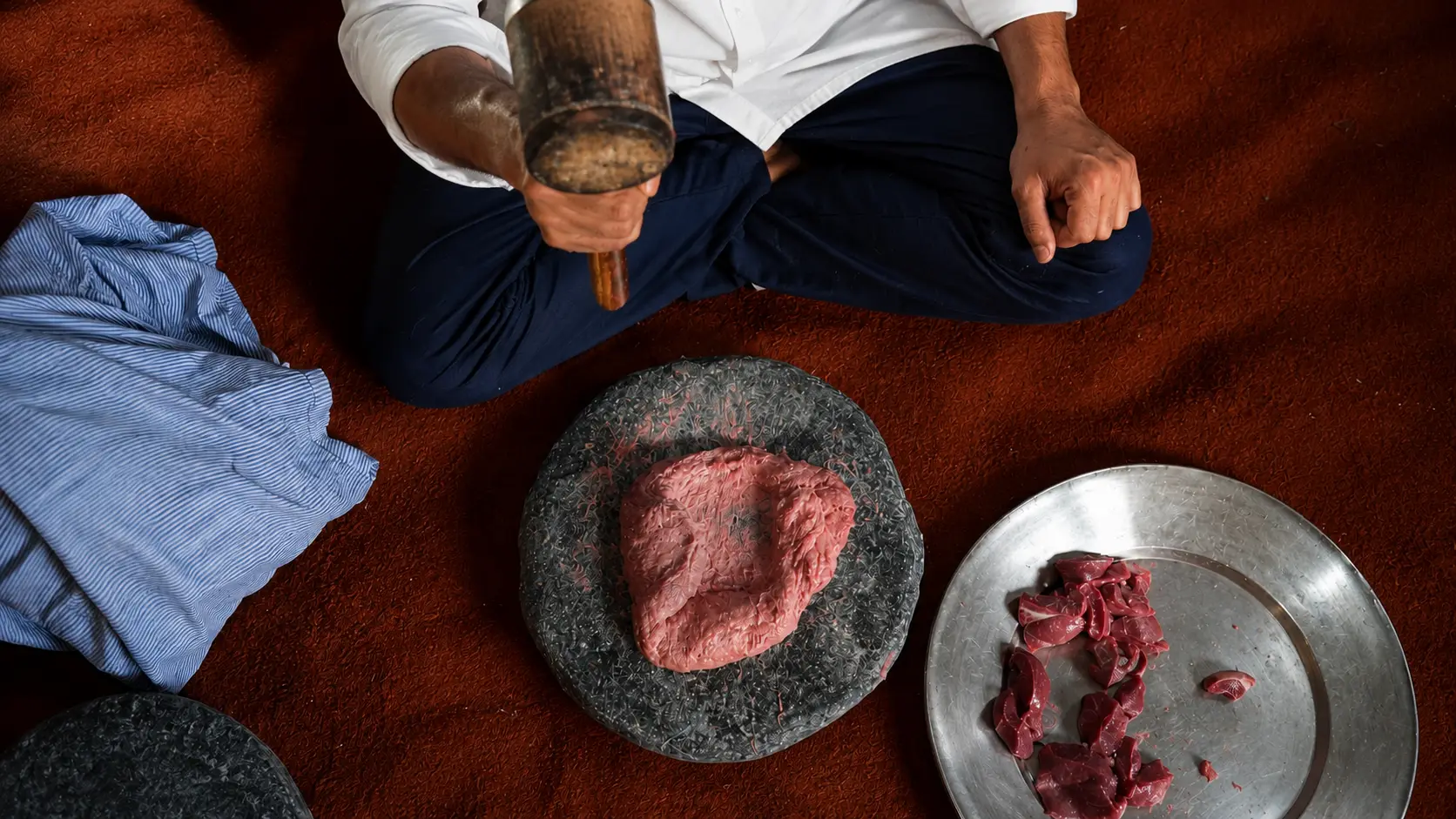
Wazwan: Wazwan is obsessed with boiling and pounding. The tandoor is practically non-existent in traditional Wazwan cooking (Kashmiris use tandoors for bakery bread, not meat). Meats are boiled with aromatics to create rich stocks, or they are laboriously hand-pounded into elastic pastes for dishes like Rista and Gushtaba. Ribs (Tabak Maaz) are boiled in milk before being fried.
The Spices and Color
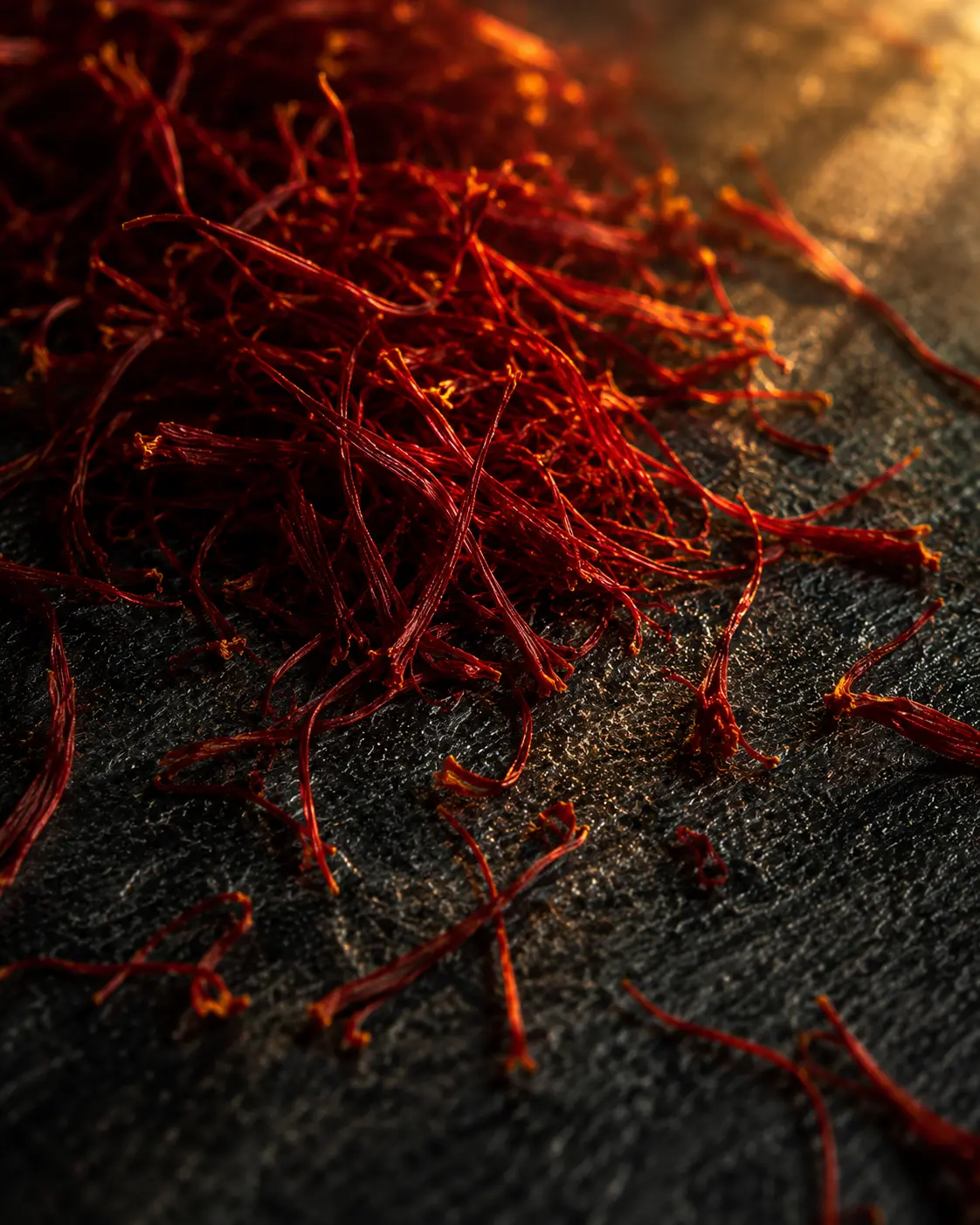
Mughlai: Uses complex spice blends (Garam Masala) extensively. Color often comes from turmeric, saffron, or modern food coloring.
Wazwan: Uses spices surgically. Turmeric is rarely used in meat dishes. The intense red color of Wazwan dishes comes naturally from a combination of mild Kashmiri Red Chilies and the extract of the Mawal (cockscomb) flower.
The Dining Format
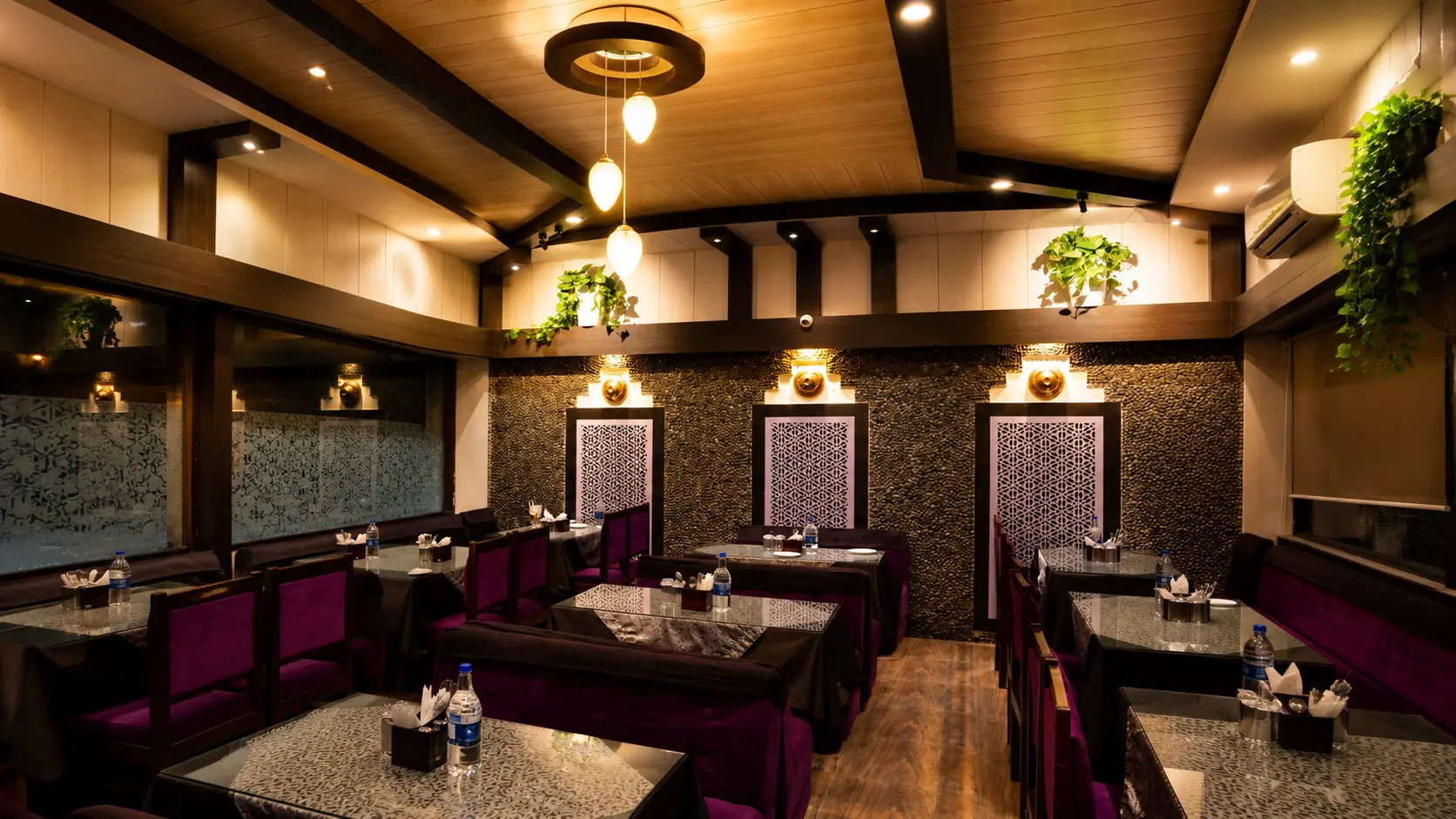
Mughlai: A buffet or a plated dining experience, often accompanied by a wide variety of flatbreads (Naan, Roti, Paratha).
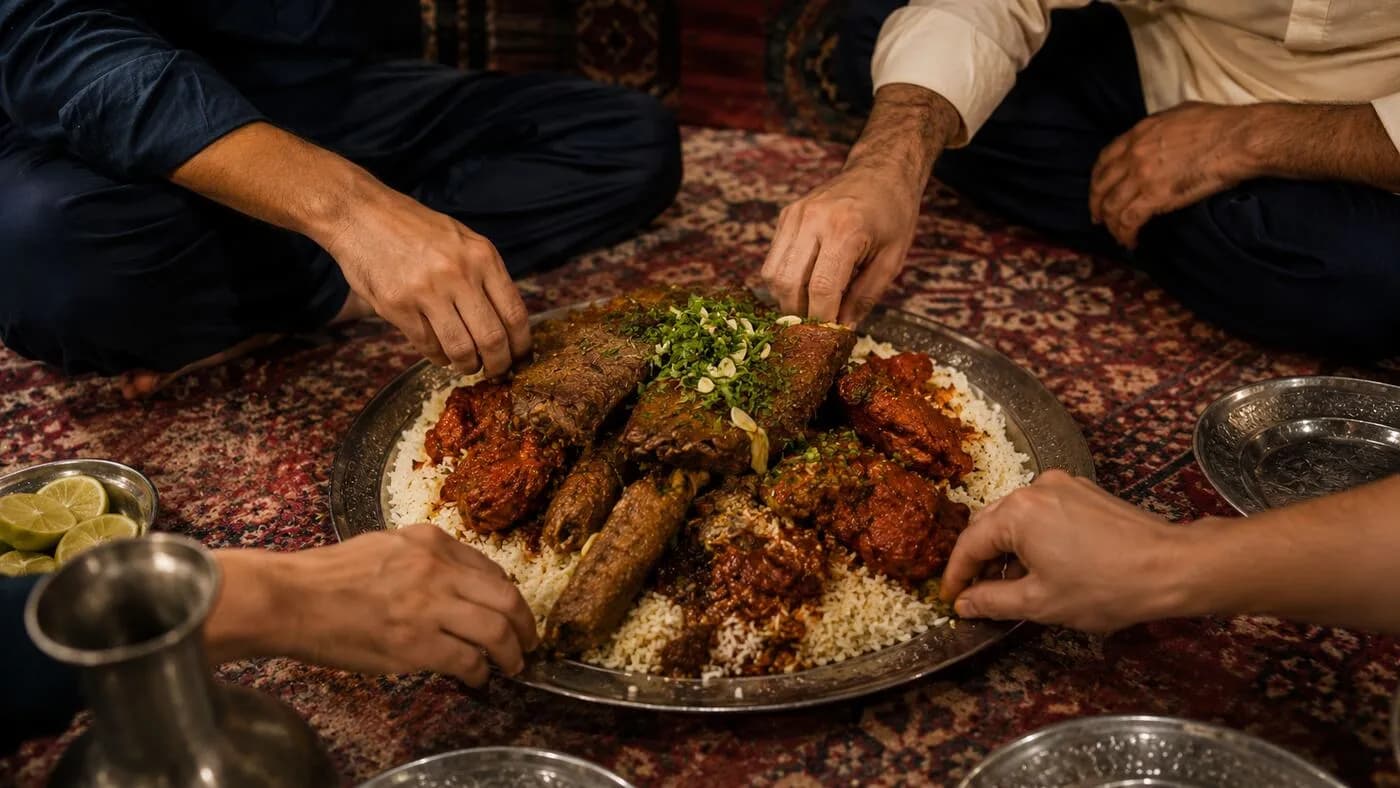
Wazwan: A highly ritualistic, communal dining experience. Four people eat from a single copper Trami. Furthermore, Wazwan is almost exclusively eaten with rice, never with flatbreads.
Summary
If a dish is thick, creamy, sweet with ground nuts, and heavy on tomato and onion, it is Mughlai. If a dish features a thin, aromatic gravy driven by yogurt, fennel, and dried ginger, with a layer of glistening oil on top, you are experiencing the true art of the Kashmiri Wazwan.
Related Articles
- What is Wazwan? The Complete Guide to Kashmir's Legendary Feast
- Wazwan Dishes Explained: The Saat Rang and Beyond
- How Much Does Wazwan Cost? A Practical Price Guide
- Vegetarian Wazwan: What to Expect and What to Order
Have questions?
Our AI Waza is trained on authentic Kashmiri culinary history. Ask him about ingredients, preparation, or history.