Book in Advance
A full Wazwan is often prepared overnight, so call ahead if you want the ceremonial feast experience rather than a standard menu order.

Wazwan is more than a meal; it is a sacred ceremony of hospitality. To dine as a Kashmiri, you must understand the deep-rooted etiquette that governs the feast.
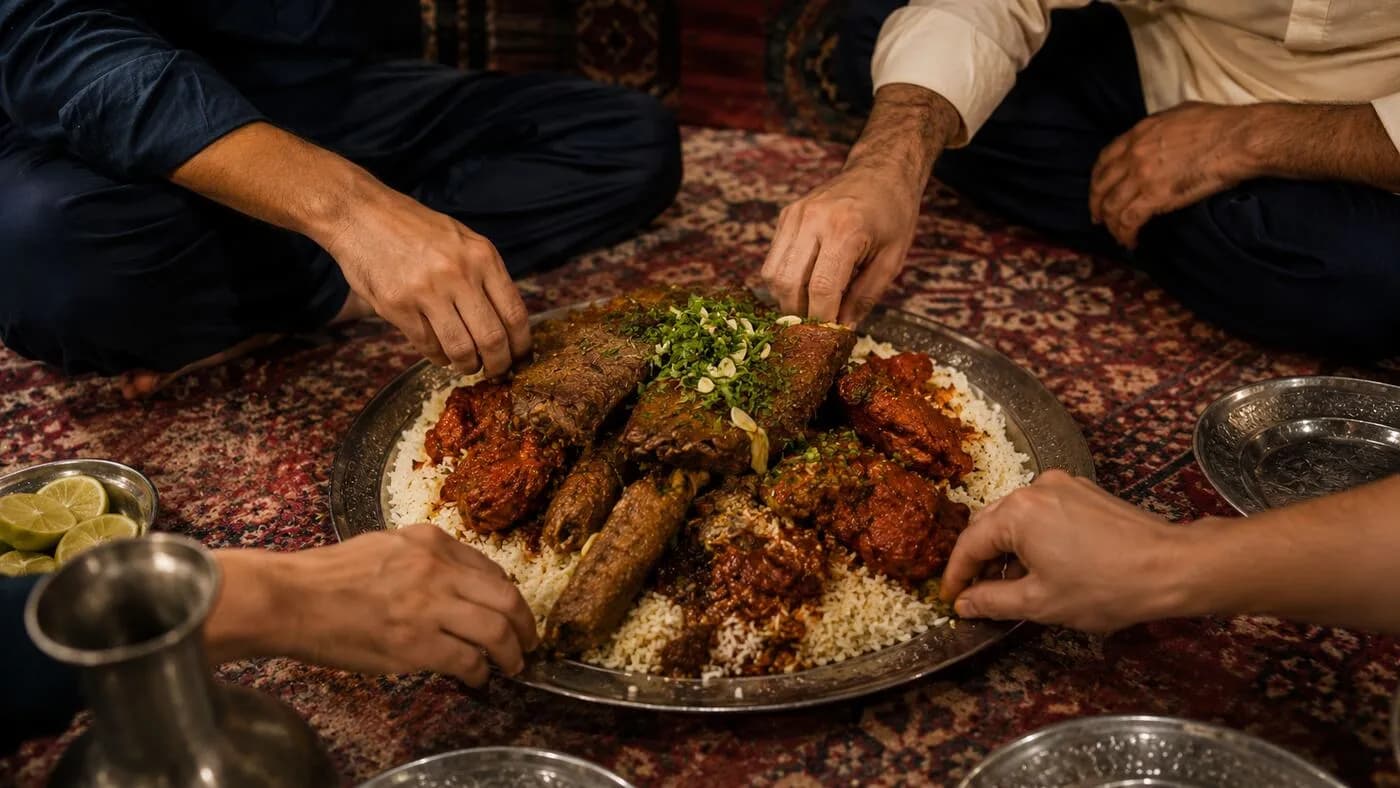
Wazwan is not eaten on individual plates. It is served on a massive, intricately carved copper platter called a trammi. Four people share one trammi, signifying absolute equality and brotherhood before God and the host. No matter your status, you eat shoulder-to-shoulder.
Before the feast begins, attendants walk through the seated guests with a tash-t-nari—a traditional copper basin and pitcher. Hold your hands over the basin while warm water is poured over them to wash. Towels are provided to dry off.
Cutlery has no place in a Wazwan. You must eat exclusively with your right hand. Your left hand should remain clean and is typically rested on your lap or used strictly for drinking water.
When the trammi arrives, it is heaped with rice and topped with initial meat delicacies like Seekh Kebabs and Tabakh Maaz. Mentally divide the trammi into four quadrants. Eat only from your quadrant and do not dig into your neighbor's section.
The waza (head chef) and his team serve dishes in a strict, centuries-old sequence—starting with the dry items and progressing through rich gravies like Rista and Rogan Josh. Never ask for a dish out of order.
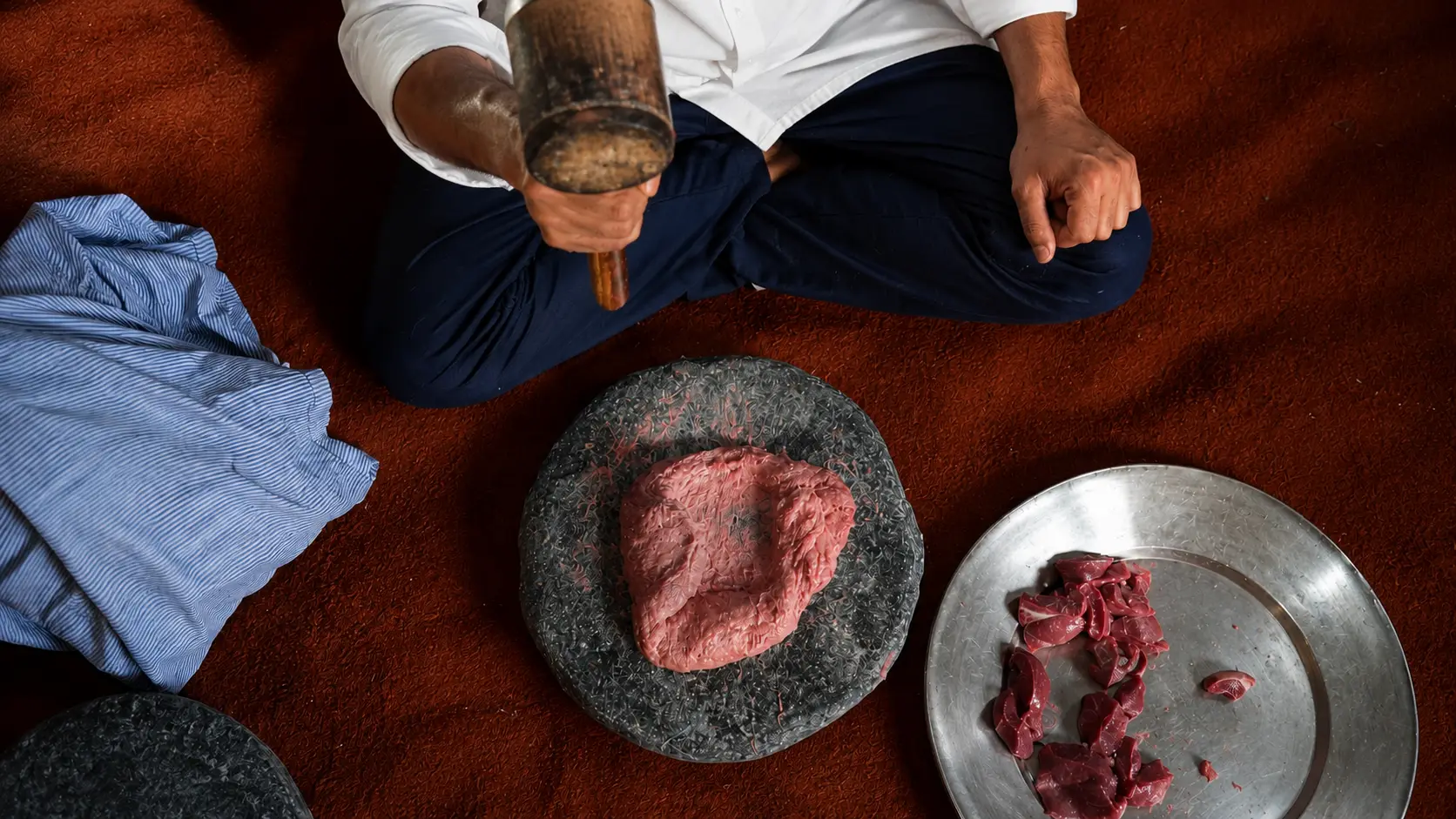
The feast culminates with Gushtaba—a velvety, sponge-like mutton meatball cooked in a complex yogurt gravy. The arrival of Gushtaba universally signals the end of the meal. Do not ask for more rice or dishes after it is served.
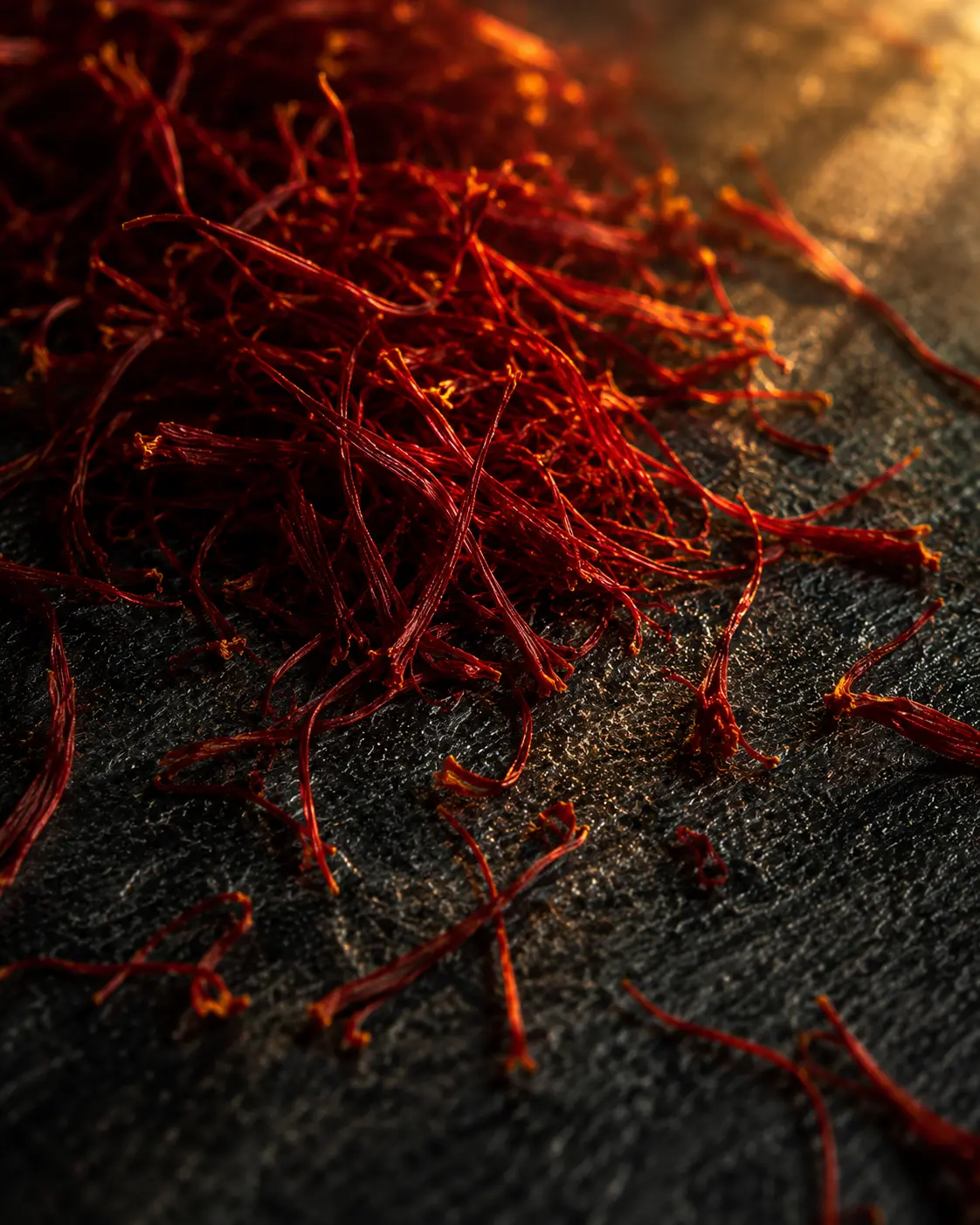
Following the Gushtaba, the tash-t-nari returns for a final hand wash. The experience is then settled with a hot cup of Kahwa—traditional Kashmiri green tea brewed with saffron, cardamom, and crushed almonds.
Find restaurants, discover dishes, and plan your Kashmir food journey.

Curated from Residency Road, Dal Lake, and Srinagar's most prestigious dining rooms.
Handpicked dining experiences representing the finest flavors and uncompromising luxury of Kashmir.
A cinematic journey through the dishes that define Kashmir's grandest culinary tradition.
"To be invited to a Wazwan is to be welcomed into someone's heart. The feast is not cooked, it is composed like music."
A Kashmiri Elder, SrinagarWazwan is a 36-course royal feast from Kashmir, cooked by master chefs called Wazas. Every dish tells a story of culture, fire, and hospitality.
Everything you should know before you sit at the trami.
A full Wazwan is often prepared overnight, so call ahead if you want the ceremonial feast experience rather than a standard menu order.
Wazwan is best enjoyed in a group. The shared trami experience makes the meal feel cultural, social, and complete.
If you are new to Kashmiri food, begin with Rogan Josh, Gushtaba, Rista, and Tabak Maaz before branching into rarer specialties.
Dishes like Gushtaba are traditionally served at the end of a Wazwan, so knowing the order makes the experience far more immersive.
Some restaurants are polished for tourists, while others preserve older cooking styles. Use the authenticity notes in the app.
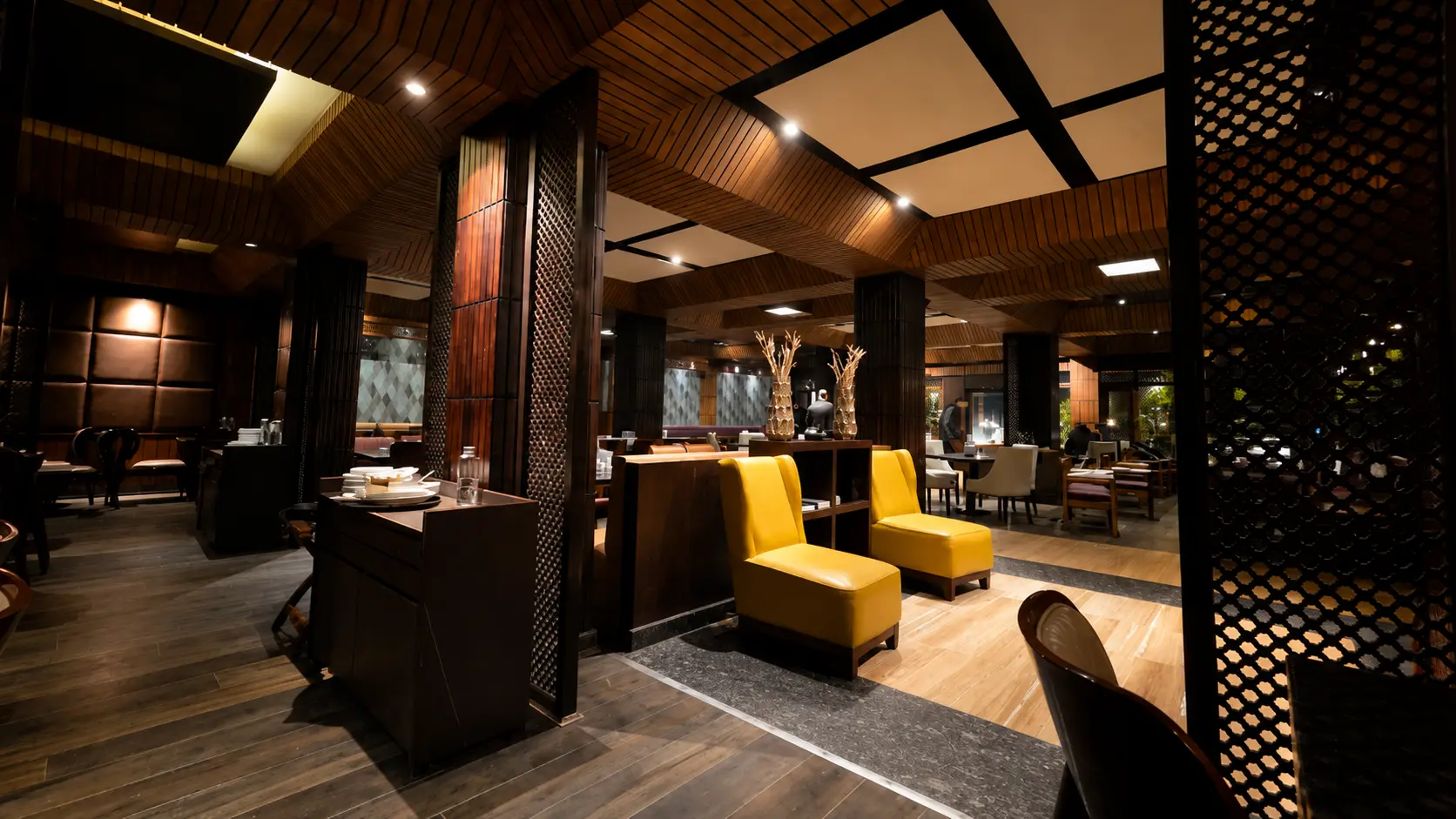
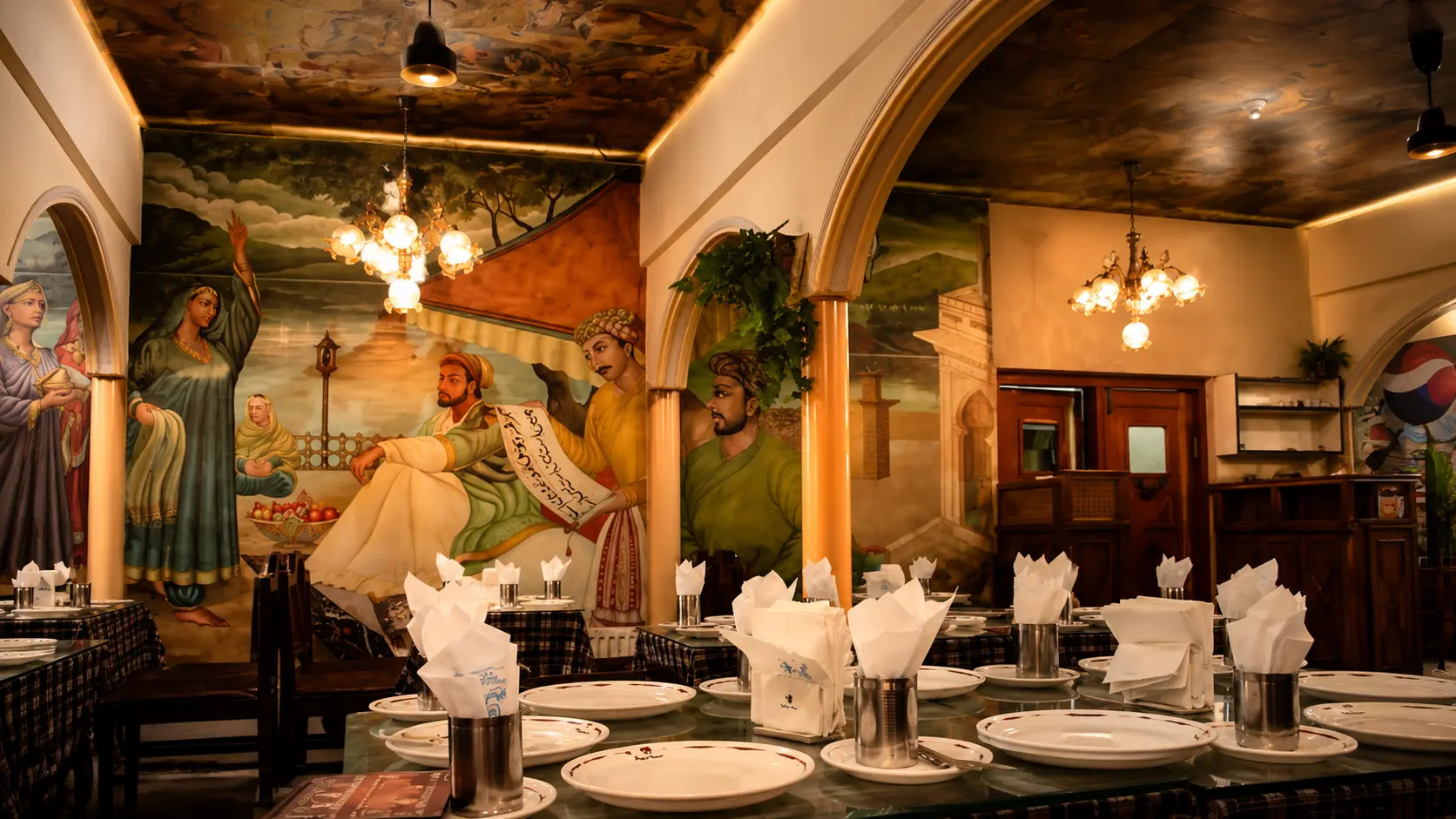
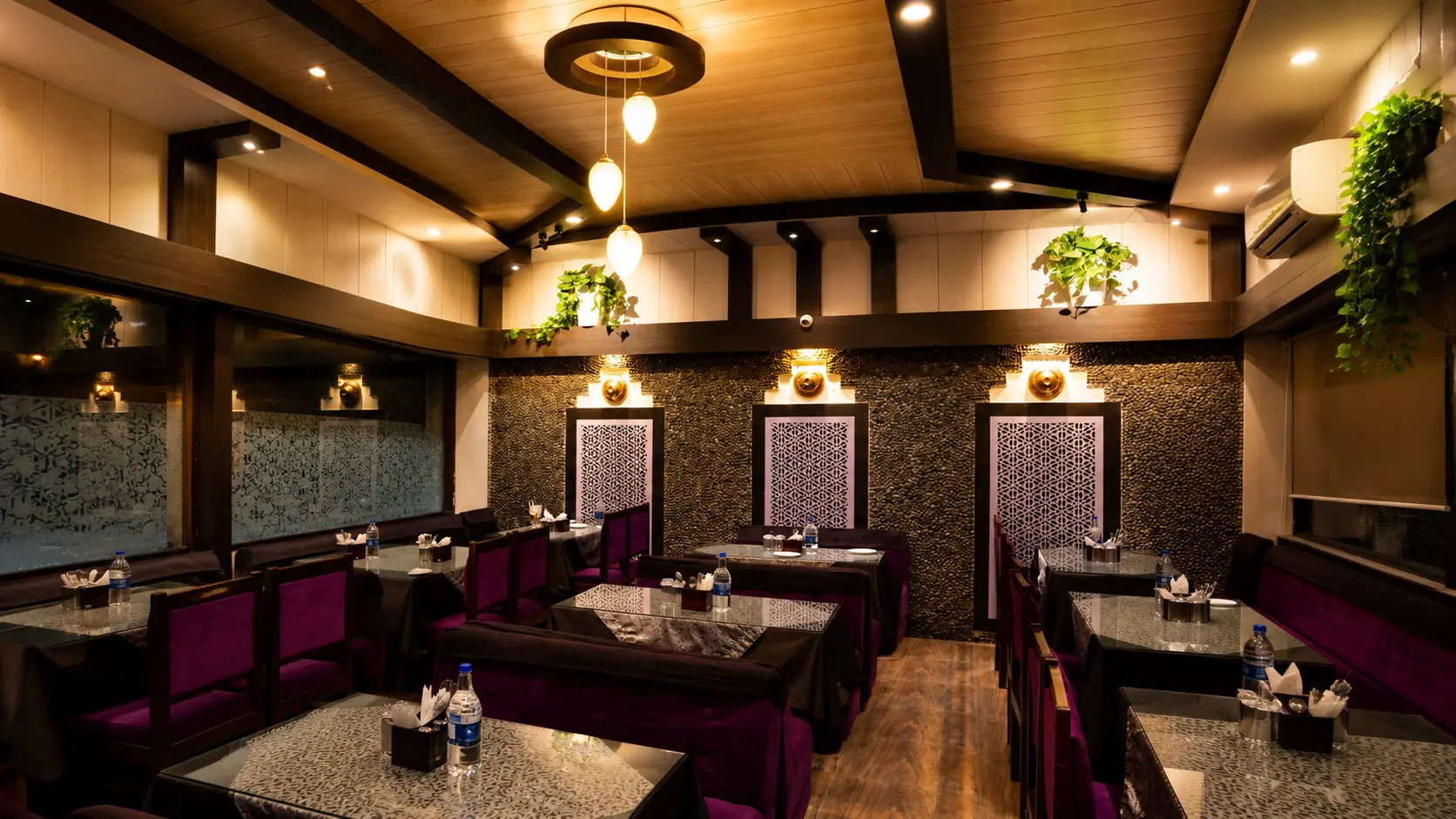
A Dal Lake setting, an old city dining hall, and a heritage restaurant each create a very different mood around the same dish.
Plan Your Visit
Browse all dishes, discover every restaurant listing, save favorites, and build your Kashmir food trail.
Wazwan is more than a meal; it is a sacred ceremony of hospitality. To dine as a Kashmiri, you must understand the deep-rooted etiquette that governs the feast.
Wazwan is not eaten on individual plates. It is served on a massive, intricately carved copper platter called a trammi. Four people share one trammi, signifying absolute equality and brotherhood before God and the host. No matter your status, you eat shoulder-to-shoulder.
Before the feast begins, attendants walk through the seated guests with a tash-t-nari—a traditional copper basin and pitcher. Hold your hands over the basin while warm water is poured over them to wash. Towels are provided to dry off.
Cutlery has no place in a Wazwan. You must eat exclusively with your right hand. Your left hand should remain clean and is typically rested on your lap or used strictly for drinking water.
When the trammi arrives, it is heaped with rice and topped with initial meat delicacies like Seekh Kebabs and Tabakh Maaz. Mentally divide the trammi into four quadrants. Eat only from your quadrant and do not dig into your neighbor's section.
The waza (head chef) and his team serve dishes in a strict, centuries-old sequence—starting with the dry items and progressing through rich gravies like Rista and Rogan Josh. Never ask for a dish out of order.
The feast culminates with Gushtaba—a velvety, sponge-like mutton meatball cooked in a complex yogurt gravy. The arrival of Gushtaba universally signals the end of the meal. Do not ask for more rice or dishes after it is served.
Following the Gushtaba, the tash-t-nari returns for a final hand wash. The experience is then settled with a hot cup of Kahwa—traditional Kashmiri green tea brewed with saffron, cardamom, and crushed almonds.