Best Kashmiri Food in Srinagar: Wazwan, Bakery, Tea, and Street Food
Srinagar has a food culture that goes well beyond what most visitors expect. The Wazwan gets the attention, but the bakeries, the tea houses, and the street food scene are just as deeply rooted in how this city actually eats. This guide covers the best of each category — a mix of named spots where there's a clear standout, and area-based guidance where the field is more even.
Wazwan: Go to Residency Road, Not the Boulevard
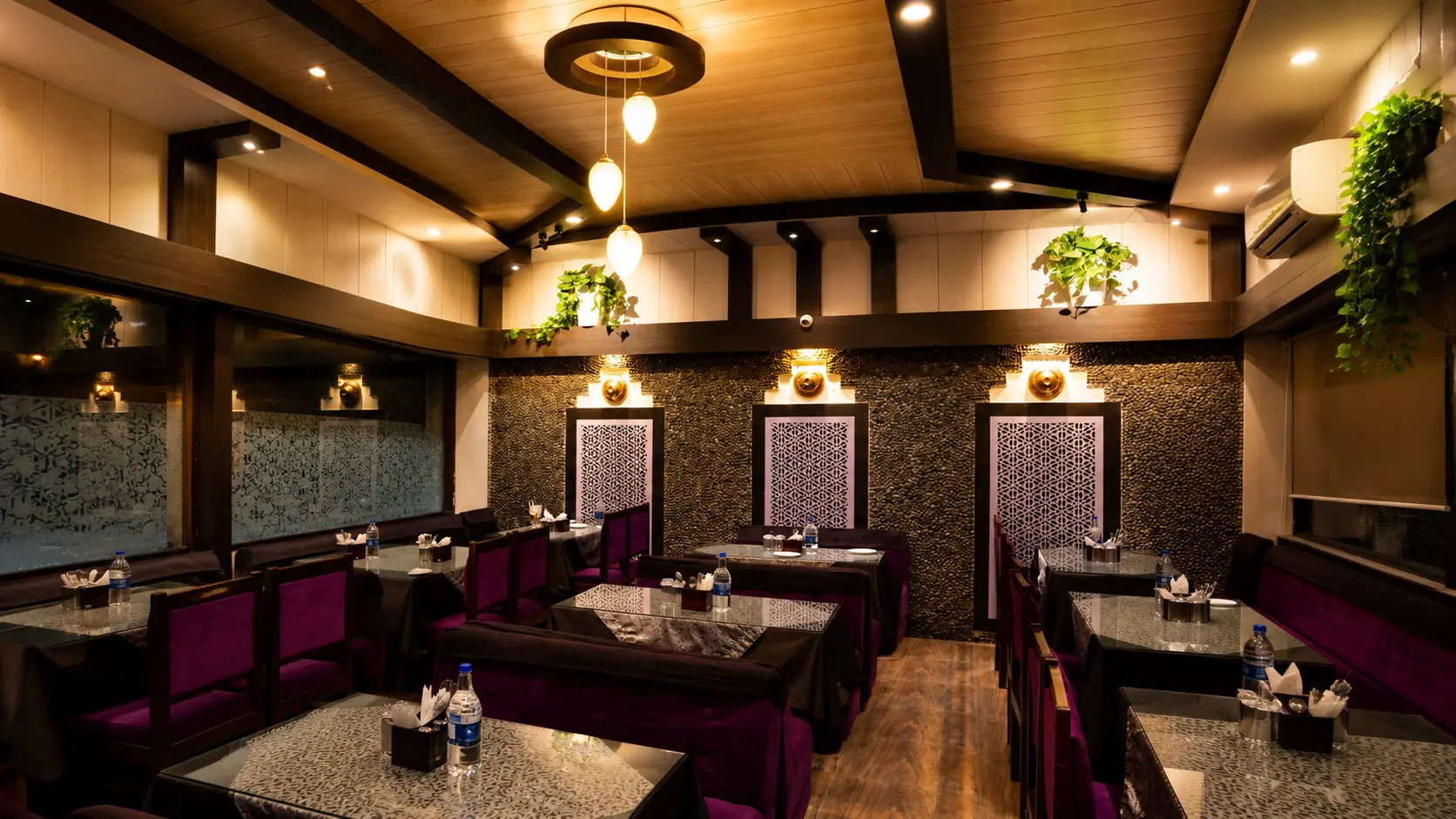
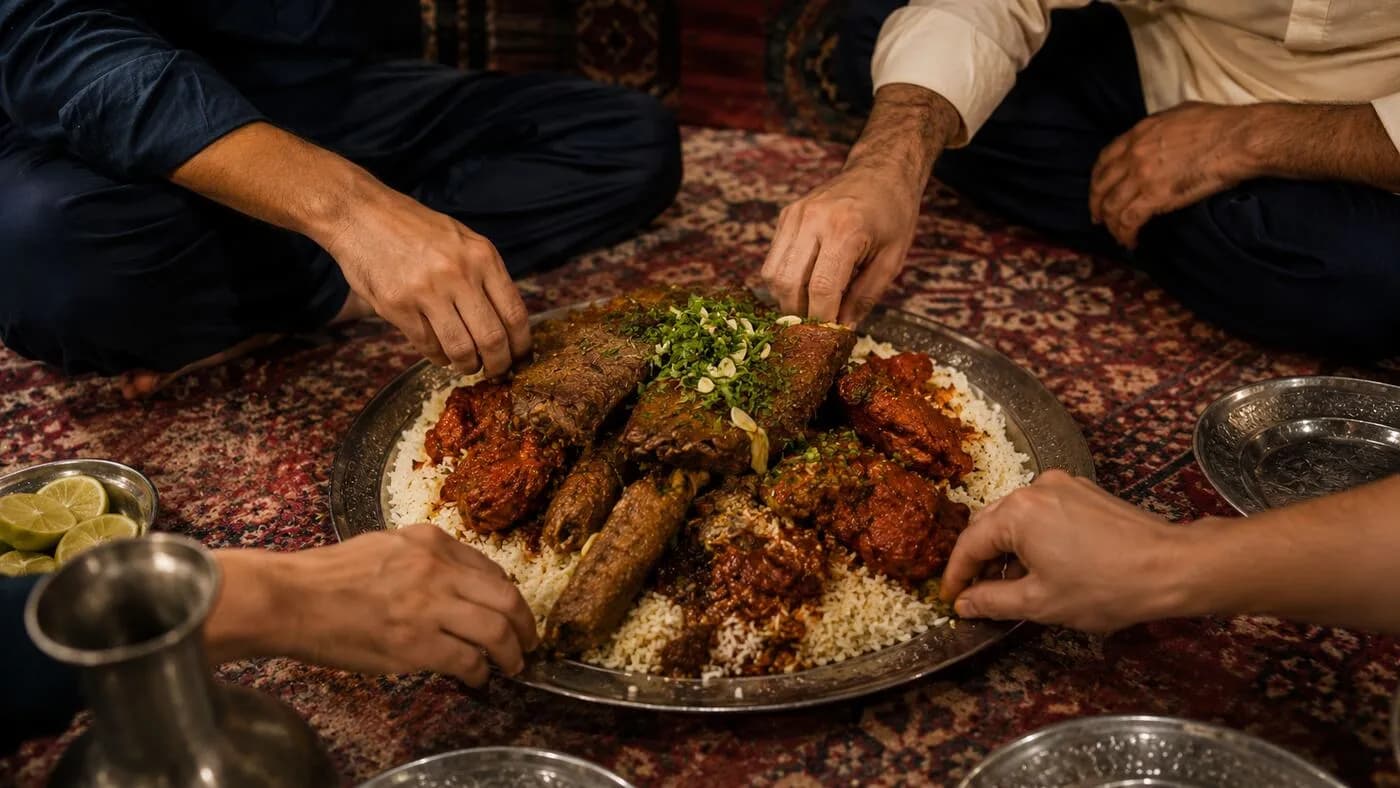
For Wazwan specifically, location matters more than any single restaurant name. The most reliable Wazwan in Srinagar is consistently found in the cluster of established restaurants around Residency Road and Lal Chowk — the city-centre corridor where Srinagaris have eaten for decades. You're not paying a view premium here; you're paying for the food.
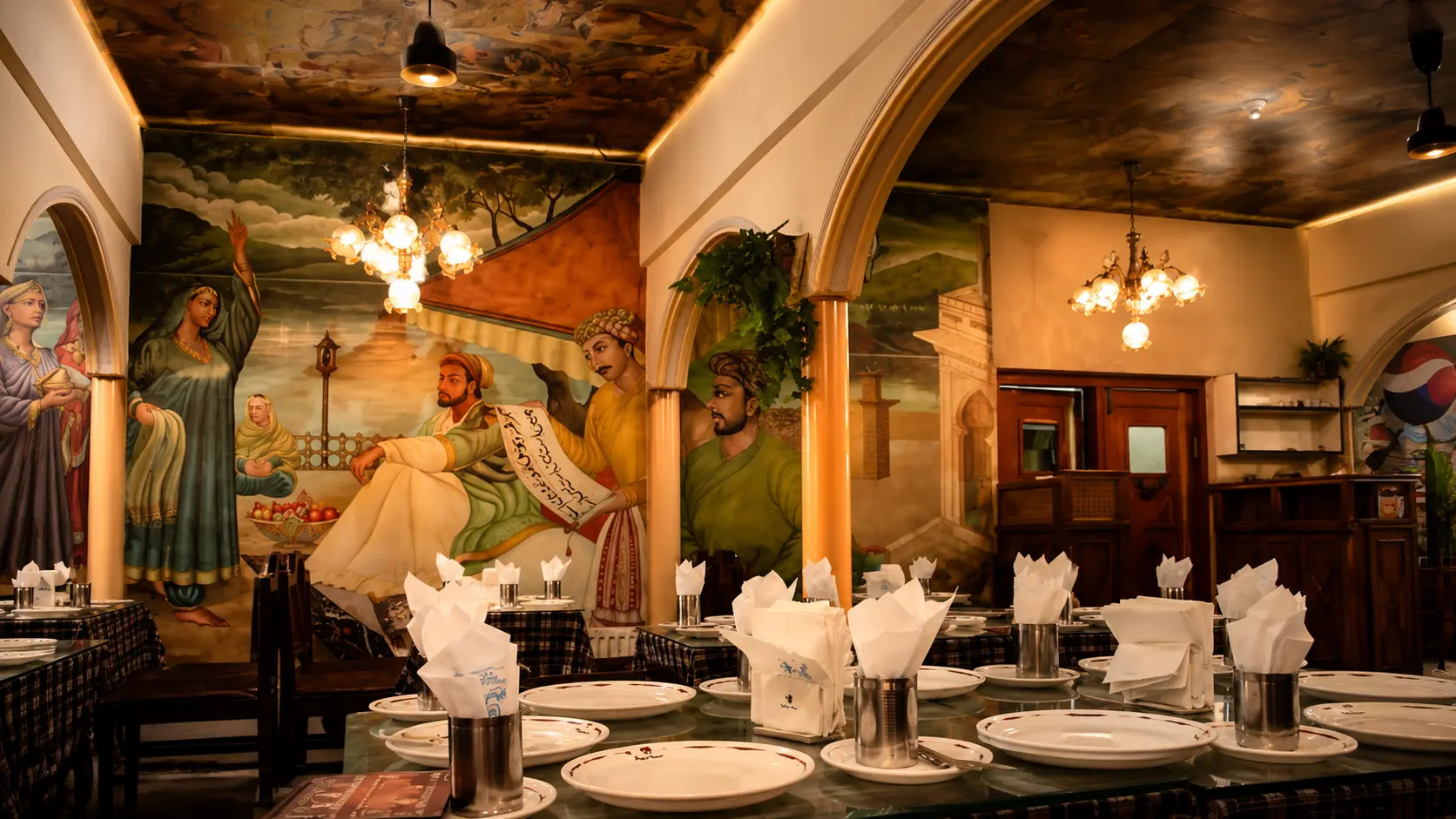
Ahdoos on Residency Road is the most cited name across decades of local and visitor reviews — established in 1918, with a reputation for consistent Wazwan that locals genuinely stand behind. The trami platter runs around ₹1,200–₹1,500 per person. It's not the cheapest option on the road, but the kitchen has been doing this for over a century.
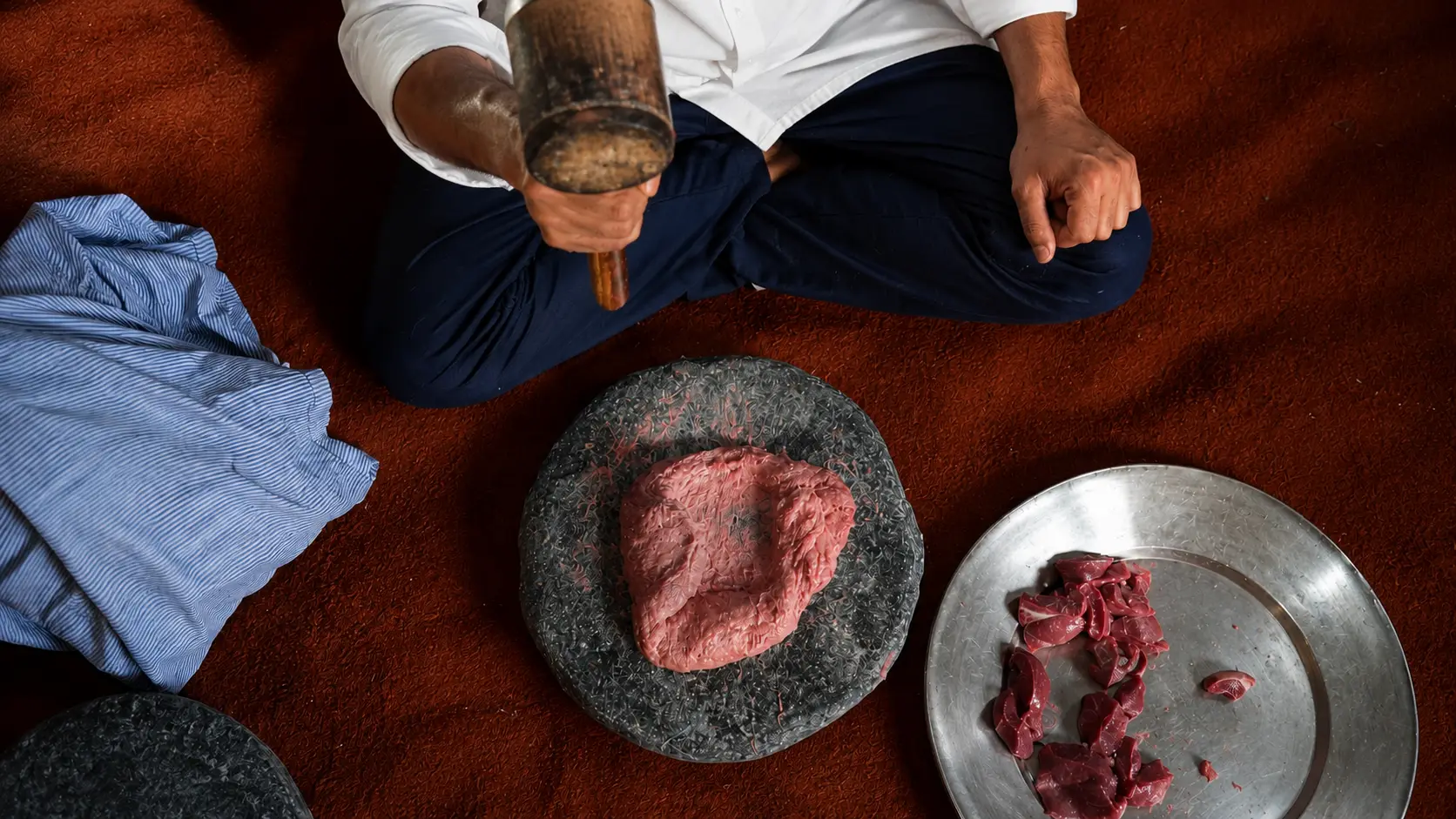
What to order to assess quality anywhere you eat Wazwan: the rista (meatball should be hand-pounded smooth, gravy velvety not watery) and the gushtaba (if it's properly made, the kitchen is serious — shortcuts are immediately obvious in the texture).
One practical note: Book lunch, not dinner. Wazwan kitchens are at their best midday — the gravies are fresh and the full range of dishes is available. By evening, some dishes sell out.
Avoid: Restaurants your taxi driver suggests unprompted. Commission arrangements between drivers and restaurants are standard in Srinagar. That recommendation is about his margin, not your meal.
Bakery: Jan Bakery Near Dal Gate
Kashmiri bakery culture is genuinely its own thing — distinct from North Indian or Mughal-influenced sweets, with a tradition of walnut fudge, coconut macaroons, dry cakes, cream rolls, and butter biscuits that generations of Kashmiris have grown up eating.
Jan Bakery, located near Dal Gate, is the name that comes up consistently in local conversations about Srinagar bakeries. It's been serving generations of Srinagaris — the coconut macaroons and dry cakes are the items most often cited, and the walnut fudge is worth buying to take home.
The Kashmiri bakery tradition also has a surprising European thread — Ahdoos itself began as a bakery in 1918 when one of its cooks was trained by a Swiss baker during the British colonial era. That heritage shows in the cream rolls, eclairs, and pastry items that several Srinagar bakeries still make well.
What to try: Walnut fudge, coconut macaroons, sheermal (a saffron-enriched flatbread), and cream rolls. Prices are low — most individual items are under ₹150.
When to go: Mornings. Kashmiri bakeries are a breakfast culture — fresh items come out early and the best sell out by mid-morning.
Beverages: Chai Jaai for Noon Chai and Kahwa
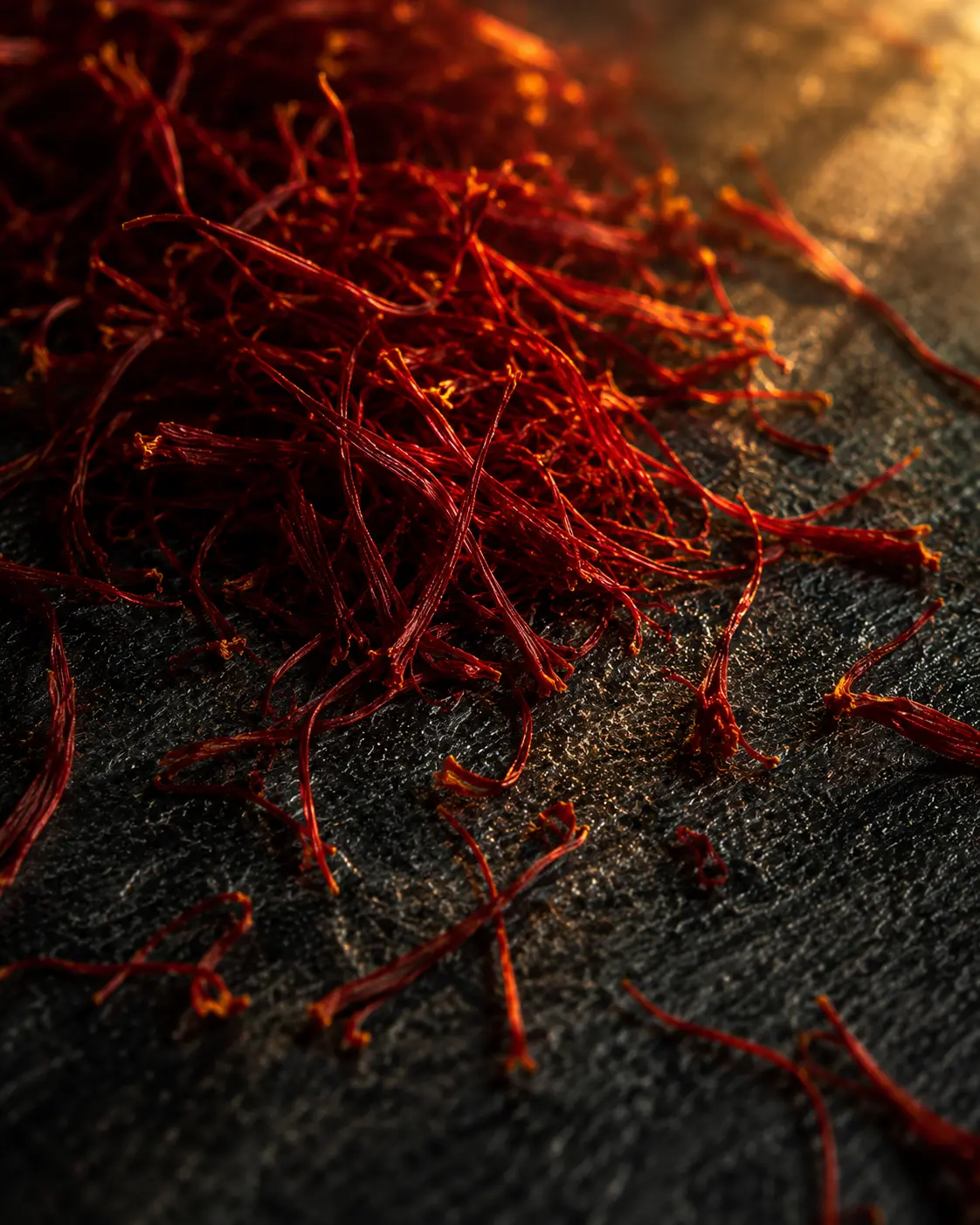
Srinagar has two traditional beverages that every visitor should try at least once: Noon Chai (pink salted tea made with green tea leaves, baking soda, and milk — salty, not sweet, and unlike anything else you've had) and Kahwa (saffron-infused green tea with cardamom, cinnamon, and almonds, served from a samovar).
Chai Jaai, on the banks of the Jhelum River near Polo View, is the most recommended named spot for both. Set in a restored heritage bungalow with Victorian and Kashmiri papier-mâché décor, it's unabashedly atmospheric — some reviewers call it overhyped for that reason, and they're not entirely wrong. But the Noon Chai and Kahwa here are genuinely well-made, the sheermal is good, and the setting beside the river is real, not manufactured.
A fair warning: Chai Jaai is popular with tourists and can get busy. If you want Noon Chai without the atmosphere premium, any local bakery or small restaurant in the city centre will serve it from a samovar for a fraction of the price. The experience is less curated but the tea is the same.
Kahwa note: This is served at the end of a Wazwan meal across most restaurants. If you've already had Wazwan, you've likely already had your first Kahwa.
Street Food: Khayam Chowk in the Evening
Srinagar's street food scene has a clear centre of gravity: Khayam Chowk, which comes alive from around 6pm onwards as charcoal grills light up and the smoke from mutton skewers fills the air. This is where Srinagaris eat in the evening — not a tourist destination, a local one.
What to eat here: Tujji (whole roasted mutton — the signature item), seekh kebabs (minced mutton, spiced and grilled, served with lavasa flatbread and chutney), and mutton kanti (spiced cubed mutton). Prices are low — ₹150–₹300 per plate.
The area has several legendary stalls that have been here for decades. Gareeb Nawaz is the name most often cited for Tujji specifically — over four decades in the same spot, the owner has been credited with bringing the dish into mainstream Srinagar food culture. Go early in the evening before the best cuts sell out.
Seasonal note: If you're visiting between December and February, add Harissa to your list — slow-cooked mutton with rice, spiced and reduced to a porridge-like consistency, eaten as a breakfast with lawasa bread. It's only available in winter, only in the mornings (most sellers sell out by 10am), and it's one of the most distinctive things you can eat in the valley. Residency Road area has reliable harissa spots.
Hazratbal Market is the other street food area worth knowing — especially for Nadru Monje (fried lotus stem fritters, crunchy and spiced) and more Tujji options. Good for a late morning snack after visiting the shrine.
Practical Notes
- Cash preferred at street food stalls and most bakeries. Cards are accepted at Chai Jaai and mid-range restaurants.
- Halal is standard across Srinagar's food scene. Alcohol is limited and available only at some hotels.
- Seasonal availability matters. Harissa is winter-only. Fresh trout is spring-summer. Wazwan is year-round.
- Fridays: Traffic near major mosques (particularly Hazratbal) can make midday movement slow. Plan accordingly.
For a full guide to what Wazwan consists of, see Wazwan Dishes Explained. For Wazwan price ranges across restaurant tiers, see the Wazwan Cost Guide.